
Categories
General

The Best NJ Towns for NYC Commuters

Around 973,000 workers commute daily into NYC, with New Jersey accounting for 42% of that total. That number is projected to increase by 10 percent by 2030 as more people are leaving the city due to the higher cost of living and the desire for more space. Of course, with more people moving to New Jersey, the cost of homes has skyrocketed. Luckily, even with the higher costs, you’ll still be getting more space for the money that you do end up paying. Plus, there are plenty of other benefits to living in New Jersey, such as lower income taxes and sales tax, more access to nature, excellent public schools, and close proximity to both NYC and Philadelphia.

If you are looking to make a move to NJ, but aren’t sure where to go, then hopefully this guide will help you choose your next home.

Madison: The Best Town in NJ

While certainly not as close as some of the other locations on this list, Madison, NJ, has been considered one of the best towns in New Jersey for several years running. It’s an easy drive to NYC, but you can also take the train to Penn Station, which will take around 50 minutes. Home to the Florham Campus of Fairleigh Dickinson University, Madison is a college town in the best way, as you’ll be able to enjoy plenty of restaurants, boutiques, and cafes. The town even boasts a community theater where you can enjoy stage plays, live music, and more!

Unsurprisingly, Madison has some of the best public schools in the state and is also incredibly safe, making it a perfect place if you have a family or plan on starting one soon. Home prices tend to be on the more expensive side, though, and you can expect to pay at least $600,000 for an actual home. Still, the idea is that you’ll be living there for years to come, so it is well worth the investment.

Hackensack: A Great Option to Live in NJ

If you still want a slightly urban feel while still having a bit of space from your neighbors, then Hackensack is a great option. And even if Hackensack doesn’t offer everything you want, you’re only 12 miles northwest of Manhattan. You can easily drive to the city or take the NJ Transit bus, which should take around 40 minutes depending on traffic.

Transportation Options Availability: NJ Towns for NYC Commuters

Town / City # of Train Lines # of Bus Routes Walkability Score Bike Score Transit Score Avg. Monthly Commuter Cost
Madison, NJ 1 4 65 50 72 $190
Hackensack, NJ 2 8 70 55 80 $160
Teaneck, NJ 1 6 68 60 75 $150
Union City, NJ 0 12 85 70 90 $140
Montclair, NJ 3 7 75 65 85 $180


With a population of around 46,000 people, it is the most populous city in Bergen County. It also houses the Metropolitan Campus of Fairleigh Dickinson University, which focuses on business and professional majors. Thanks to both the college and its proximity to NYC, Hackensack has diverse neighborhoods with almost 39 percent of the population being immigrants. For foodies, the diversity means a wider range of cuisines to choose from!

As you might expect, the proximity to NYC means Hackensack tends to have a higher cost of living, but it is still significantly lower than if you lived in NYC proper. In fact, you can buy a house for around $400,000, making it more affordable than Madison, NJ.

Teaneck: Full of Nature and Charm in NJ

For those who want a bit more nature, Teaneck is an amazing option as it is home to the 46-acre Teaneck Creek Conservancy. This gorgeous park provides a variety of programs throughout the year for adults and children alike, and also doubles as an eco-art gallery as it has numerous permanent and temporary exhibits. More importantly, you can get to NYC easily by car or public transportation in about 30-40 minutes! It also has some of the best schools in the state, making it a highly desired place to live for people with children. As you might expect, home prices are on the higher end, with the average around $500,000.

It is home to around 41,000 people, making it the second most populous town in Bergen County behind Hackensack. With that said, it has more of a suburban feel than Hackensack, though it does have a quaint downtown with plenty of options for eating and shopping. For history buffs, Teaneck is a treasure trove of history, being a key location during the Revolutionary War due to its location near the center of the original thirteen colonies. In fact, around 100 battles were fought in Teaneck!

Union City: A Perfect Fit for Young Professionals in NJ”

While not as close as Hoboken, Union City is still only 15 minutes away from NYC via public transportation. In fact, if you end up in a luxury apartment, you can probably see NYC from your window! Despite its close proximity to NYC, it’s still relatively affordable in comparison to other locations such as Hoboken. Due to the pandemic, more people have discovered this gem, so prices are going up. Still, you can expect to pay around $1,500 to rent a one-bedroom apartment.


Cost of Living Index: NJ Towns vs NYC

Town / City Housing Index
(NYC = 100)
Rental Price Index
(NYC = 100)
Utilities Cost
(Monthly Avg.)
Transportation Cost
(Monthly Avg.)
Grocery Cost
(% Difference vs NYC)
Average Property Tax Rate
NYC (Baseline) 100 100 $210 $135 0% 0.88%
Madison, NJ 78 72 $160 $110 -12% 2.23%
Hackensack, NJ 65 58 $150 $95 -10% 2.55%
Teaneck, NJ 70 63 $165 $100 -8% 2.30%
Union City, NJ 60 55 $140 $95 -15% 1.89%
Montclair, NJ 82 78 $170 $115 -5% 2.65%


Union City is perfect for young professionals as it provides everything you would expect of a city. There are plenty of options when it comes to nightlife, food, entertainment, and more. It’s also very pedestrian-friendly, so you can often leave your car at home if you just want to grab something quick to eat or drink. And while it might not have waterfront views or a multi-acre park, there are still plenty of neighborhood parks where you can enjoy nature.

Montclair, the Most Quick Move City in NJ

If you’re looking for that picturesque suburban life, then Montclair, NJ, should be at the top of your list. There are numerous public transportation options that can easily get you to NYC in 45-50 minutes. Despite being a suburban town, Montclair is very walkable, making it a favorite location for out-of-towners. Unlike Union City, Montclair is fairly well known and seems to attract media employees from outlets such as the New York Times, Newsweek, and more. Most residents are commuters to New York City and the Metro Area. Housing prices are not low and average around $600,000. Average rent is also around $2,000 for a one-bedroom.

What sets Montclair apart from other towns in NJ is its focus on the arts. Enjoy a play at Whole Theatre or Wellmont Theater and then check out the Montclair Art Museum or one of the several smaller galleries around town. If movies are more your thing, then watch some indie films at the Claridge Cinema. You can also catch some live music playing in one of the many small theaters dotting the town.

Make Your NJ Move Relaxed

Of course, NJ is home to many other towns and cities, but the ones listed provide different options for people looking to move away from NYC. If you’re ready to make the move, make sure to get in touch with professional NJ movers, like us! Just give us a call, and we can provide an estimate and answer any questions you might have about your move.

FAQ

How much do NJ movers cost?

Moving costs vary based on how much you need to move, distance, and add-on services. A basic local move can cost as little as $500 for a one-bedroom apartment.

I’m moving from NYC to NJ, would this be a local or long distance move?

Most NYC movers consider moves to NJ as local moves and will charge you an hourly rate. However, you should always ask beforehand so you don’t get any surprise charges after the move!

Will I be paying NJ and NY taxes if I live in NJ but work in NYC?

Not at all! While you will need to file in both states, you will not pay double taxes. Just make sure to file your New York return before you file your New Jersey return to receive tax credits for taxes you already paid. As a double bonus, you do NOT need to pay any NYC taxes!

Categories
Moving Tips

How to Pack and Move Bulky Items Safely and Easily

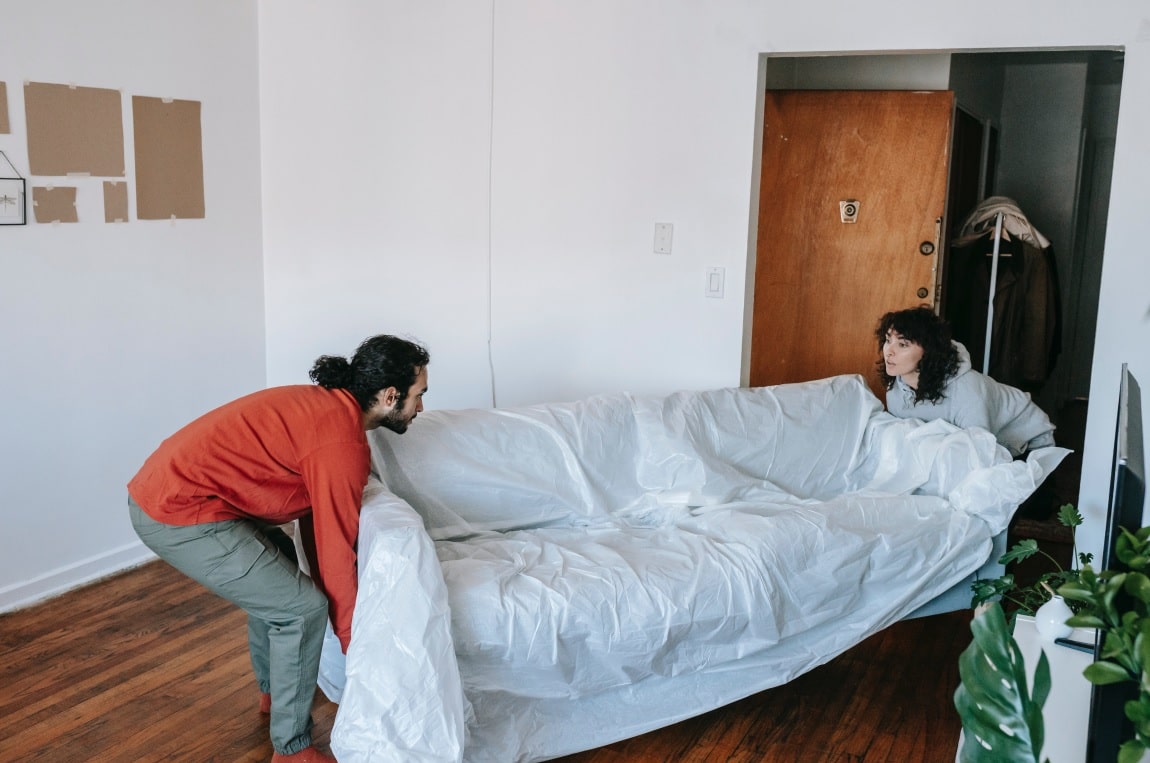
When it comes to moving, the items that most people dread are the large, bulky items. Not only are they heavy, but they’re also hard to maneuver and, in cases like pianos and/or antiques, need to be handled with care. If you’ve ever tried to move these bulky items yourself, you know the challenges that come with it, as well as the potential dangers like injuring yourself. While it’s in your best interest to hire professional movers to do the actual heavy lifting, there are a few things you should do beforehand to make the job a bit easier.

Make a Fully Proven Plan for Your Move

When it comes to moving anything, it’s always good to have a plan. Yes, even if you’re hiring professional movers to do it for you. Write down a list of all your heavy and large items that you need to move, as well as where you want to put them in your new house. You don’t want to have the movers just put a heavy piece of furniture in the wrong room, as you’ll need to move it again at a later date without their help.


Floor Plan Fit Check Data Table

Item Item Dimensions (L × W × H) Minimum Doorway Clearance Needed Minimum Hallway Width Needed Fits in New Space? (Yes/No) % of People Who Must Leave Item Behind
Sectional Sofa (Large) 120″ × 36″ × 34″ 38″ 42″ No 37%
King Bed Frame 82″ × 76″ × 48″ 36″ 40″ Yes (if disassembled) 22%
Piano (Upright) 60″ × 25″ × 48″ 32″ 36″ Yes 9%
Dining Table (8-Seater) 84″ × 40″ × 30″ 34″ 36″ Yes (legs removed) 18%
Bookshelf (Tall) 72″ × 30″ × 12″ 32″ 34″ Yes 12%
Recliner Chair 40″ × 38″ × 42″ 34″ 36″ Yes 7%
Washer/Dryer (Stacked) 29″ × 30″ × 75″ 32″ 34″ No (in many older homes) 41%


Write up your plan a few weeks before your move. Get the floor plans for your new home and make sure they are accurate and to scale. Then, measure the bulky items you want to bring with you and create scaled-down cutouts for each item. Make sure these paper models include all the fun protrusions and weird edges or corners of the real one. After you have the paper cutouts, place them on the floor plan and figure out the best location for each item. If something doesn’t fit, don’t bother moving it with you. You might be surprised by how much you end up leaving behind! Luckily, the less you bring with you, the cheaper your move will be.

Once you know what items you’ll take with you, make some copies of the floor plan, complete with the bulky items in their appropriate place. Keep it on hand during the move so you can direct the movers. And don’t throw out the original! Keep it in a safe place. You never know when you might want to redecorate, and you’ll already have a floor plan ready!

Disassemble What You Can for Easier Moving

While many reliable New Jersey movers will do basic disassembly for you, it’s a better option for you to do it yourself. Check all of your bulky items to see if they have any removable parts. This includes the legs from your table and chairs, shelves from a bookcase, wheels from your bed frame, and so on.

Before you disassemble, make sure you have the appropriate tools on hand. In most cases, it should only be a screwdriver and/or Allen wrench. If you don’t, see if you can borrow some from a neighbor or friend. While disassembling yourself might be more time-consuming, it also means you get to save money since the movers won’t be spending time doing it themselves. Plus, you can organize the dismantled parts however you want. Your best bet, though, is to tape any legs or shelves together and put all of the screws, nuts, bolts, etc. into a baggie and tape it all to the main body of the item. Trust us, you don’t want to dig through all of your boxes or bags looking for the legs to your table!


Cost Impact Chart for Bulky Items

Item Extra Labor Time Added (Minutes) Added Cost (Local Move – Est. $150/hr Truck) Added Weight (lbs) Cost Increase for Long-Distance (Based on Weight)
Sectional Sofa (Large) 25–40 mins $60–$100 180–250 lbs $90–$140
King Bed Frame 20–30 mins $50–$75 120–160 lbs $55–$95
Upright Piano 60–90 mins $150–$225 500–800 lbs $200–$350
Hot Tub / Jacuzzi 90–120 mins $225–$300 700–900 lbs $260–$380
Dining Table (8-Seater) 15–25 mins $40–$65 130–180 lbs $65–$100
Refrigerator (Full Size) 20–30 mins $50–$75 200–350 lbs $75–$150
Pool Table 120–180 mins $300–$450 600–1,000 lbs $250–$450
Washer/Dryer (Stacked) 25–35 mins $60–$90 250–320 lbs $80–$150


For more complicated pieces of furniture or appliances, you might want to call a specialist. Even reputable NJ movers don’t disassemble things like Murphy beds or antiques. And if you don’t know what you’re doing, you can do more harm than good. It might cost you some extra money, but it will be worth it in the long run as you won’t have to worry about damaged items or walls.

Maintain the Highest Safety Standards While Packing

Most large items aren’t going to fit in any kind of box, but that doesn’t mean you don’t have to pack them at all. After all, you want to make sure your items get to your new house unscathed. If you hire movers, most will provide some level of protection for your furniture, such as padded blankets. While that might be enough for some things, for more delicate items, you will want to go a step further.

Glass

Like your cups and bowls, you want to treat any large pieces of glass with care when moving. For flat items, place two pieces of tape in an ‘x’ shape. This will reduce shattering as it helps keep the glass intact. If possible, wrap any glass pieces in bubble wrap and inform the moving crew of the fragile items. This includes things like large mirrors and picture frames with glass!

Artwork

If you have large pieces of artwork, you might want to consider getting specialty art boxes for it. Pack each piece separately and make sure to wrap each one with bubble wrap and fill the inside of the box with butcher paper to prevent jostling.

Mattress

If your old mattress is still in good shape, there’s no reason to toss it out. If you have a foam mattress, you can compress it to an even smaller size by putting it into a plastic vacuum bag and vacuum-sealing it. For standard mattresses, get a new mattress cover before you move to protect the mattress itself from the elements, rips, and bed bugs.

Furniture

Yes, NJ movers will have mattress pads they can use to wrap around your furniture, but you might want to wrap delicate furniture yourself. That means you’ll need to get your own furniture pads, moving blankets, and foam padding. You might want to go a step further and wrap certain items with bubble wrap for extra protection. Just make sure any plastic doesn’t come in direct contact with the wood or fabric!

Piano

Despite their heavy size, pianos are quite delicate and require extra attention when it comes to proper moving. Cover the piano keys and pedals in bubble wrap and then wrap the lid to the keys. The movers will wrap the legs and sides of the piano with moving blankets.

Hire Expert Movers for a Smooth Transition

Your best bet when moving these bulky items is to hire qualified movers. Not only will they have all the appropriate moving and packing materials, but they also have the skills and knowledge to move bulky items with ease. When finding the right mover for you, make sure to mention the large items you plan on moving. Not all companies have experience with moving things like pianos, jacuzzis, pool tables, etc., so they might refer you to someone else, which could end up costing you a lot more.

Even if you’re just moving regular furniture, you should ask what kind of equipment they use and what they provide. Most trusted NJ movers wrap your bulk items free of charge and even put down things like wall and floor protectors. Always ask the movers if they provide this service. If not, you might want to look into another option.

Ready to move? Make sure to give us a call! We have years of experience moving pretty much everything you can imagine. Not only that, but we’re experts when it comes to navigating tight corridors and doorways. We’ll give you a free quote and answer any questions you might have, so don’t wait! Contact us now!

FAQ

Does moving bulky items cost more?

It depends on your move. With local moves, you generally pay a flat hourly rate, so a bulky item won’t automatically add extra cost to your total. So long as you provide the movers with an accurate list of what you plan on moving, it won’t cost extra money. For long-distance travel, it might increase costs as movers will often charge by weight and/or volume. Your best bet is to leave as many large items behind as possible. If you do bring a piece of furniture with you, make sure to let the movers know!

The movers damaged an item. What should I do?

Your items will be covered up to $0.60/per pound per item automatically. If you notice damage to your items, take pictures of it and send it directly to your customer service representative. You will then have to go file an insurance claim, which could take a few months.

Can movers help transport a single item?

It depends on the movers. Some will provide small ticket moving services, which is great if you’re picking up a sofa or pool table from an individual. Even if the company doesn’t mention it on their website, you can always call and ask.

Categories
General

How to Find Your Perfect Peaceful NJ Home

Maybe you’re ready to finally move out of an apartment and into your first home. Finding the perfect house for you can be a great feeling. However, it can also be fraught with problems, especially for first-time buyers. Since most people tend to live in their first home for around 5-10 years, you need to consider the time commitment and money that comes with owning a home. That means it’s important for you to take your time before making a decision.

Know Your Moving Budget

You can’t start shopping for homes until you know how much you can afford. When finding your maximum price range, determine the monthly payments you can reasonably afford on your mortgage. This number might be lower than you expect, as there are a variety of bills you need to worry about when owning a home, such as heating, water, homeowners’ insurance, taxes, HOA fees, and more.

Once you find your mortgage payment you can comfortably make on a monthly basis, work backwards from there to your purchase price. If you can’t put down the standard 20% for a down payment, you can still purchase a house; you’ll just need to pay private mortgage insurance (PMI) on top of your mortgage.


NJ Home Budget Breakdown Table

Expense Category Typical NJ Range ($) % of Monthly Income Recurring or One-Time? Notes for First-Time Buyers
Mortgage Payment $2,200 – $4,500 25% – 35% Recurring Plan for fluctuations if property taxes or insurance go up.
Property Taxes $8,500 – $14,000/yr 10% – 18% Recurring NJ has some of the highest property taxes in the U.S.—budget carefully.
Homeowners Insurance $900 – $1,800/yr 1% – 3% Recurring Rates depend heavily on home age, location, and claims history.
HOA/Condo Fees $150 – $500/mo 2% – 5% Recurring Common in condos and townhomes; may rise annually.
Utilities (Electric, Gas, Water) $250 – $450/mo 5% – 8% Recurring Older homes may have higher heating costs—ask for prior bills.
Internet & Cable $70 – $180/mo 1% – 2% Recurring Fiber available in some NJ towns—check coverage before buying.
Maintenance & Repairs $2,000 – $5,000/yr 3% – 6% Recurring Set aside 1% of home value yearly; older homes may need more.
Closing Costs $10,000 – $18,000 N/A One-Time Typically 2%–5% of purchase price; varies by lender and attorney fees.
Moving Costs $1,200 – $5,000 N/A One-Time Varies by distance and home size; NJ–NYC moves are usually local.
Furnishing & Decoration $2,500 – $15,000 N/A One-Time (mostly) Renovations can drastically raise costs—don’t underestimate.


Once you’ve found your maximum purchase price, you’ll need to connect with a lender who will then tell you whether you will be approved at your price point. This process is known as pre-approval and makes it much easier to purchase a home once you’re ready.

After that, work with a real estate agent and let them know your hard upper limit. You might need to make some concessions in terms of location, rooms, etc., if you don’t have a large budget. Just make sure you know what you’re getting beforehand.

In addition to the price of your home, make sure to set aside money for moving expenses, closing costs, and renovations if necessary.

Choose the Right Location for a Better Living Experience

Location is right up there with budget when it comes to finding a home that meets your needs. If you’re moving due to a new job, you might not have as much flexibility as those who are moving for a change of scenery. With that said, you’ll still want to be on the lookout for a good location.

What is a good location? It varies by person. For some, it might be a place with a good school district, for others it might be a good commute to work, and others might be more interested in being close to a bustling downtown area with restaurants and shops. Figure out what is most important to you when moving. Luckily, New Jersey offers plenty of options, whether you want to live in a city or a small town.

Remember that there are pros and cons to each. If you want to live near a large city like New Jersey, then you’ll end up paying a lot more than if you lived in a small town. Conversely, living in the countryside means lots of space and nature, but it also means you won’t have a lot of variety when it comes to food, entertainment, and more. It’s up to you to decide what’s important.

Prepare a Comprehensive Checklist of Essential Features You Need

Every potential home buyer has a list of things they want their dream house to have. Unfortunately, most people aren’t able to get their dream home the first time they buy a house. While having a walk-in closet, several bathrooms, and a large eat-in kitchen might be nice, is it necessary? Before you go house hunting, write down a list of absolute necessities your home should have. Not everyone has the same requirements, but some things to consider include:

  • Number of bedrooms and bathrooms – how many people are in the house currently? Are you expecting that number to increase within 5-10 years? Plan ahead!
  • Size of kitchen and appliances – look for up-to-date appliances in the new home
  • Separate dining room – while not necessary, if you entertain a lot, a separate dining room might be a good option
  • Heating and cooling system – oil, wood, etc? Also, do you need central air?
  • Water and sewage – are you okay with getting your water from a well and having your sewage go to a septic tank? Or do you prefer public water?
  • Yardage – if you have kids and/or dogs, you’ll want a place with plenty of outdoor space to run around.
  • Parking – Do you need a garage? If so, how many cars will need to fit in there? If there aren’t any homes with a driveway or garage, is there street parking?

When creating your list, make sure to consider what you’ll need in the future. Even if you don’t drive now, you might want to get a car in the future. A well and septic tank might seem okay now, but if you lose power, you won’t be able to get any water or flush the toilet, so consider this, especially if you plan on relocating to an area that gets hit by storms.

Once you’ve written up your list of must-haves, create another list of nice-to-haves. When you’ve started your search, you can then focus on homes that have extra features on top of the essentials.

Plan Your Home Decoration in Advance

Decorating your home is very personal, and you might not like what the previous homeowners had done. Think about what rooms you will use the most, should you move in, and what changes you would need to make. Focus on the walls and ceilings, windows, other accents like crown molding, floors, etc., and think about how they fit in your aesthetic.

With all that said, don’t overestimate potential. It’s all too easy to fall in love with the idea of what a room could be, but unless you already know the ins and outs of home renovation, chances are you’ll have no idea how long or how much it will cost. Even seemingly small updates can end up ballooning in cost. And if you’re thinking of renovating the kitchen, forget it. Unless you plan on just replacing the cabinets or tabletops, a kitchen renovation means you won’t be able to cook meals for months.

Finally, check every room for things like electrical outlets, windows, locks, faucets, etc. Everything might look fine at first glance, but chances are you’ll need to do a bit of finagling to get things how you want. All of these little changes and purchases add up and can end up costing you a few thousand dollars!

Hire a Professional Home Inspector Before Moving

Yes, it might cost you more money, but a good inspector can uncover reasons why you shouldn’t buy the house. It’s all too easy to cover up issues with a new coat of paint, but experienced home inspectors will be able to spot major structural issues with the foundation, condition of the roof, insulation, etc. There’s nothing worse than moving into a place that requires a full gut renovation after already spending hundreds of thousands of dollars purchasing it.


NJ Home Inspection Checklist with Potential Issues and Costs

Inspection Item Potential Issue Severity Level (1–5) Estimated Repair Cost ($) Notes for First-Time Buyers
Foundation & Structural Integrity Cracks, settling, water damage 5 $5,000 – $30,000+ Major repairs can delay move-in or require renegotiation.
Roof Leaks, damaged shingles, and aging 4 $5,000 – $15,000 Inspect age and materials; replacement can be costly and urgent.
Plumbing Leaks, old pipes, and low water pressure 3 $1,500 – $8,000 Check both main and outdoor plumbing; older pipes may need replacement.
Electrical System Outdated wiring, overloaded circuits, and missing grounding 4 $2,000 – $10,000 Safety hazard; may need immediate update for insurance approval.
HVAC / Heating & Cooling Old furnace, broken AC, poor insulation 3 $3,000 – $12,000 Energy efficiency affects monthly bills; replacement can be expensive.
Water & Sewage Well or septic issues, leaks, contamination 4 $1,500 – $10,000+ Check backup options; storm-prone areas may worsen issues.
Pest / Termite Damage Termites, rodents, and mold 3 $500 – $5,000 Can compromise structure if ignored; negotiate treatment costs.
Interior & Exterior Surfaces Water stains, cracks, paint issues, and flooring problems 2 $500 – $5,000 Mostly cosmetic; small repairs can be included in negotiation.


Before you decide to sign the contract, let the seller and real estate agent know that your contract to buy the house is contingent upon a satisfactory home inspection. Once you receive the report, you can then decide whether to buy or not. If there are only small issues, you might still be able to renegotiate the price based on how much you think it would cost to repair these problems.

If you’re in a hot housing market, the sellers might not be interested in waiting for you to receive a home inspection report. While it’s still recommended to hire a home inspector, if you really love the house, then it’s up to you to ask questions and look around. Check all the floors, walls, and ceilings for anything that might suggest problems such as water damage, termite damage, crumbling foundation, etc.

Shop Around

If you’ve never owned a home before, almost every home might seem amazing, and many real estate agents might pressure you to buy as soon as possible. However, don’t feel pressured to buy something that doesn’t suit your needs. Don’t buy a condo because it’s cheaper than a home if you hate living with dozens of other people. Sure, you might need to make some compromises, but always keep your must-have list handy so you can refer to it while you’re shopping.

At the same time, be open to continuing your search until you find a house that matches your budget and needs. It might seem impossible, especially with how quickly houses are being snatched off the market, but you’ll be thankful you took the time to look for a place that is suitable for you. In order to find the perfect place, you’ll want to use an agent. Sure, it might be tempting to do it all yourself, but an agent knows much more about real estate than you and can negotiate on your behalf.

Find Your Perfect NJ Home

House hunting can be a grueling affair, and it requires a lot of careful planning and consideration. At the same time, you don’t want to drag your feet too much, as there might be someone else who will snatch up your house.

Fortunately, the tips below can help make the home-buying process a bit smoother. And once you’ve found your new home, make sure to call NJ movers to transport your belongings to your new place.

FAQ

Is moving from NYC to NJ a local or long-distance move?

It depends on what movers you use. At Great Movers, we consider moves within the tri-state area local.

Where will the movers park at my new home?

If you have a driveway, the movers will park there. If you’re driving to your new home, make sure to arrive before the movers so you don’t block them from leaving.

Will I need to be at the destination when the movers arrive?

Either you or a designated person will need to be on-site when the movers arrive to confirm receipt of your belongings, sign off on the inventory and bill of lading, and pay the bill.

Categories
Moving Tips

How to Move with Kids the Easiest Way

Moving is already complicated. When you add kids to the mix, it can be downright harrowing, regardless of how old they are. Whether you have a toddler, tween, or teenager, moving can be emotionally draining on everyone, regardless of whether you’re moving across the country or the next town over. Luckily, there are a couple of steps you can take to make the move easier on your kids. Of course, every child and family situation is different, but the following tips can make relocating easier for the entire family.

Talk to Your Kids About Moving for a Smooth Transition

Unless your child is still a baby, you should have an age-appropriate conversation with them to explain why you’re moving. Toddlers might not need to know all the details, but they should still be informed. Maybe you’re moving for work, or perhaps you’re moving to be closer to friends and family. Whatever the reason, it’s better to let them know as soon as possible. After all, children seem to have a sixth sense when the household vibe shifts. Plus, it will be difficult to hide things like packing supplies and moving boxes!


Kids’ Involvement Checklist

Task # Task Description Age Group Time Needed Notes
1 Pack toys 1–5 30–60 min Supervise toddlers
2 Choose bedroom decor 6–12 1–2 hrs Include shopping trips
3 Pack own room 10–18 1–3 hrs Teenagers can do things independently
4 Research a new school 6–18 2–4 hrs Create a school profile
5 Explore neighborhood All 1–2 hrs Find parks, clubs, and activities


At your next family meeting, include the topic of moving on the agenda. Moving is a big change for kids, especially if they’re already in school, so they might need some time to absorb the news and process the information. Try to give them a bit of space in the beginning, as their entire world has just changed. Some kids might take the news in stride, of course, but make sure to check in periodically during the days leading up to the move to make sure they’re okay.

Get Everyone Involved for a Smoother Move

Sure, your kids might not be able to veto the move, but they can at least be involved in the process. Whether you’ve already closed on a new home or not, there are plenty of ways you can get them involved in the process. This will give them a sense of empowerment and make the move more attractive as they’ll be helping with the decision. Of course, their level of involvement depends on their age and their enthusiasm. However, even if they’re not particularly excited about a move, you can still get them involved by doing the following:

  • Give them a vote when looking for a new home. They might not want to spend days looking at homes in person, but many will be more than happy to look at online photos and point out specific amenities they want, like their own bedroom, a backyard, a pool, etc. Take their opinions into consideration when making your final choice.
  • Take them on shopping trips. While younger kids might not enjoy trips to the hardware store, they may like going shopping for fun stuff like decorations, new furniture, and the like. You can also help them decide on the look of their new bedroom by choosing paint colors, pillowcases, toys, etc.
  • Let them pack their room. Giving your kids ownership of their part of the move can help them feel like part of the process. Of course, the tasks you give them should be age-appropriate. For toddlers, you might simply ask them to pack their toys in boxes. Teenagers, on the other hand, can pack their room by themselves.

Research New Schools Early

Switching schools is a big deal for kids. They’ll have to make new friends, deal with new teachers, and figure out the rules of the new school. It’s one of the biggest changes for your kid, and the older they are, the harder the transition can be. While your child will likely feel anxious regardless of how much research you do, the more they know, the better! Compile a little report of everything you know about the school and include things like photos, school mascot, colors, extracurricular activities, distance from your new house, etc. For yourself, you should also see if there’s a parent group for the schools where you can ask questions about bullying, school policies, and so on.

After you’ve done that, see if you can schedule some time before the move for an orientation. While you can’t control when you need to make a move, you would ideally move during the summer to avoid a mid-year transfer. That way, your child can also check out the school during the summer and potentially get a walk-through from the guidance counselor, principal, or vice principal, and get any lingering questions they might have answered.

Check Out the New Neighborhood

If you’re moving for work, see if you can negotiate a visit to the new area as part of your relocation package and take your child(ren) along. You can use this time to explore the neighborhood and find kid-friendly places such as parks, playgrounds, nearby restaurants, and so on. If your child is younger, going to a park or playground is a great way for you and your child to make new friends.


Pre-Move Neighborhood Exploration Checklist

# Place / Activity Age Group Time to Visit Benefit
1 Local park/playground 1–10 30–60 min Make friends, physical activity
2 Nearby sports club 8–18 1 hr Social engagement
3 Library 6–18 30–45 min Study resources, reading programs
4 Ice cream / favorite spots All 30 min Comfort, treat for kids
5 Orientation at school 6–18 1–2 hrs Familiarity with teachers and the environment


For tweens and teens, your best bet is to look for locations and clubs that match their interests. Many towns have a local 4-H club where kids of all ages can work together to complete various projects in the fields of health, science, agriculture, and civic engagement. For more active kids, go to a recreational field and see if there’s an open game they might be able to join. Many places have more informal youth sports activities.

Ultimately, the more familiar you get with the area, the more your child will feel at home when you make the move. Plus, it will also help you out when you move, as you’ll know where all their favorite places are!

Give Yourself Plenty of Time to Ensure a Stress-Free Move

There’s nothing worse than having to rush through the moving process, and it can be overwhelming even as an adult. Imagine what it must feel like for a child or teenager having their whole world turned upside down in a couple of weeks! In order to avoid emotional turbulence and tantrums, take the move slowly. If you’re moving for work, see if you can get two months to move. This way, you don’t have to cram everything into a single month and, instead, can do a little bit every day. It will also give your child time to adjust and get used to the idea of moving to a new place.

If you really want to save time, you should hire professional movers. If you’re moving to or from NJ, there are dozens of options to choose from, but you should always look up reviews to find movers NJ residents trust. When hiring movers, make sure to let them know what services you need, such as packing, storage, plastic bin rentals, and so on. Hiring NJ movers can free up time you can spend hanging out with friends, hosting a going-away party, or dealing with the occasional meltdown of one of your children.

Visit Your Favorite Places Before Leaving Your Old Town

Carve out some time every week before you move to visit some of your and your child’s favorite places in your old neighborhood. Visit restaurants, attractions, and catalog everything! Heck, you can even create a digital or physical scrapbook of your old hometown so you and your child can look back fondly on these memories. Don’t forget to check in on old friends as well and get their contact information, including phone number, email address, social media connections, and home address, so you can stay in touch.

Don’t try to cram everything into a single day. Instead, spread out your visits over a few days. That way, you can still get some moving necessities done while treating yourself to something fun in the middle or end of the day. Plus, your child will be less likely to be overwhelmed if you sprinkle in some fun things to do over the course of the move.

Establish a Routine as Soon as You Move

People in general thrive on routines. Once your move is done, you should do something familiar as a family to unwind. Maybe that’s a family movie night or perhaps playing a board game together. Whatever the routine is, stick to it!

If you have younger children, you’ll want to stick to your daily routines as much as possible once you move into your new home. It will provide a sense of normalcy for your children and will help keep you on track as well! Of course, you might have to make some exceptions as you’ll need to unpack, but you try to stick to your bedtime and nap schedule as much as possible.

Make Moving Easier with Your Children

Moving is stressful at any age, but for children, it can be a hugely disruptive life event. While these tips can help manage their stress, don’t forget to regularly check in with your children to make sure they’re doing okay. If it looks like your child is struggling, take some time off from packing or unpacking and go outside, or maybe just relax with a family movie night. These short breaks can help your child, and you will feel better!

FAQ

What is the hardest age for kids to move?

There’s no easy age to move, but in general, the older the child is, the more a move impacts them. School-aged children will be leaving behind their friends and favorite teachers and will have to make new ones in an unfamiliar environment. This can be daunting even for the most gregarious child so make sure you keep an eye on them for the first few months in their new school.

How do I keep my younger child from causing disruptions on moving day?

For younger children, it might make sense to drop them off at daycare while the professional NJ movers load up the truck or you can look into babysitting apps and websites to find a capable babysitter who can keep an eye on your young children.

How can I keep my kids happy during the car ride to the new home?

If you’ve ever taken a long road trip with your child, you know how hard it can be to keep them entertained. For a smooth trip, make sure you have a comfortable car and pack plenty of snacks. You should also keep some entertainment on hand and make sure to have chargers!