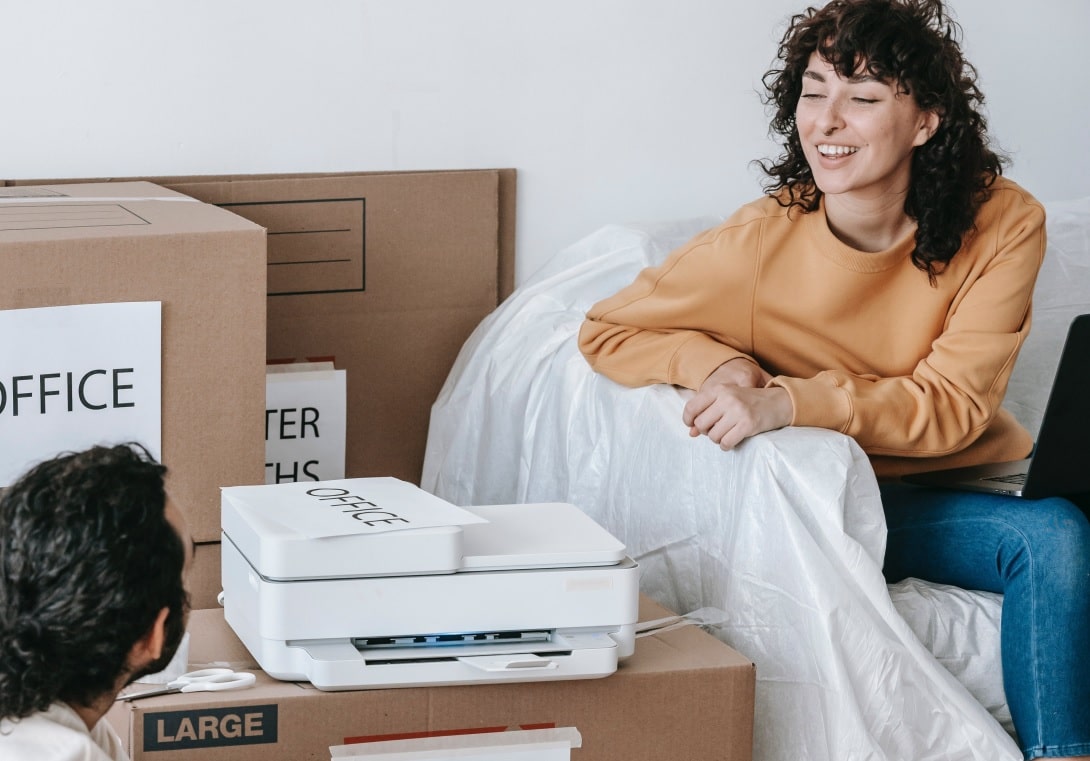
Packing is not easy. In fact, it’s the task that most people dread because it takes up so much time and energy. It’s all too easy to forget something since you’re spending time disassembling your furniture, organizing your belongings, and prepping your fragile items so they don’t break during the move. Who has time to think about how to pack clothes?
While it might be tempting to just throw your clothes into a bag or box, this haphazard approach can lead to wasted space and time when unpacking. Plus, it leaves all your clothes wrinkled or, in the worst-case scenario, damaged. If you want to make sure your clothes arrive in good condition, the following tips can make that possible.
Declutter Your Old and Unnecessary Clothes
This step might be one of the longest, but there’s no better time to start purging your closet and wardrobe than when you move. While this step might take some time, it’s a lot better to reduce how much you bring with you, as you will have less to pack and unpack.
In order to properly declutter your closet and wardrobe, empty everything so you can see what you have. From there, sort your clothes into three categories: clothes you wear often and want to keep, items you don’t wear but are in good condition, and damaged clothes. Take the time to look carefully at each piece, including dressy and seasonal outfits. With dressy items, unless you are constantly going to fancy parties, you can probably get away with one three-piece suit or black dress.
Clothing Decluttering Checklist (Item Counts)
| Clothing Type | Typical Closet Count | Recommended Keep | Donate / Sell |
|---|---|---|---|
| T-Shirts | 20–30 | 10–15 | 10–15 |
| Jeans | 8–12 | 4–6 | 4–6 |
| Sweaters | 6–10 | 3–5 | 3–5 |
| Dresses | 6–12 | 3–6 | 3–6 |
| Coats / Jackets | 5–8 | 2–4 | 3–4 |
| Shoes | 10–15 | 5–7 | 5–8 |
| Formal Wear | 4–6 | 2–3 | 2–3 |
| Workout Clothes | 6–10 | 4–6 | 2–4 |
| Seasonal Items | 5–10 | 3–5 | 2–5 |
You can choose to donate or sell the lightly worn items you have. If these items are from a brand name, you can probably fetch a good price for them online. Whatever you earn, you can put towards your moving budget. For anything that didn’t sell, donate to a Goodwill store.
Wash Dirty Laundry Before Moving to Your New Home
It might be tempting to leave your dirty laundry in a bag and forget about it until you’re in your new house, but the last thing you’ll want to do is do a load of laundry while unpacking. More importantly, stained or soiled clothes will only get worse as time goes by, and if some of your clothes are particularly stinky, the smell can spread to the rest of the dirty laundry and suitcase.
It might seem like a waste of time, but do all of your laundry the day before you move. It will make unpacking a lot easier. Plus, you’ll need to wash the clothes you donate anyway, so you might as well do another few loads while you’re at it!
Sort Your Clothes
Once you’ve figured out what you’re keeping, the next thing you should do is start sorting your things by season. That way, you can start packing away the clothes you don’t need as early as a month before your move. So if it’s summer, pack away your winter clothes and vice versa.
While you’re at it, sort pieces by type to help you organize your closet better after the move. Put all your pants together, shirts together, dresses, etc. Just make sure to keep all of these items separate for each person in the house. Then label and identify the various boxes and bags with the name of the person and the type of clothes for easier unpacking.
Find the Appropriate Packing Method
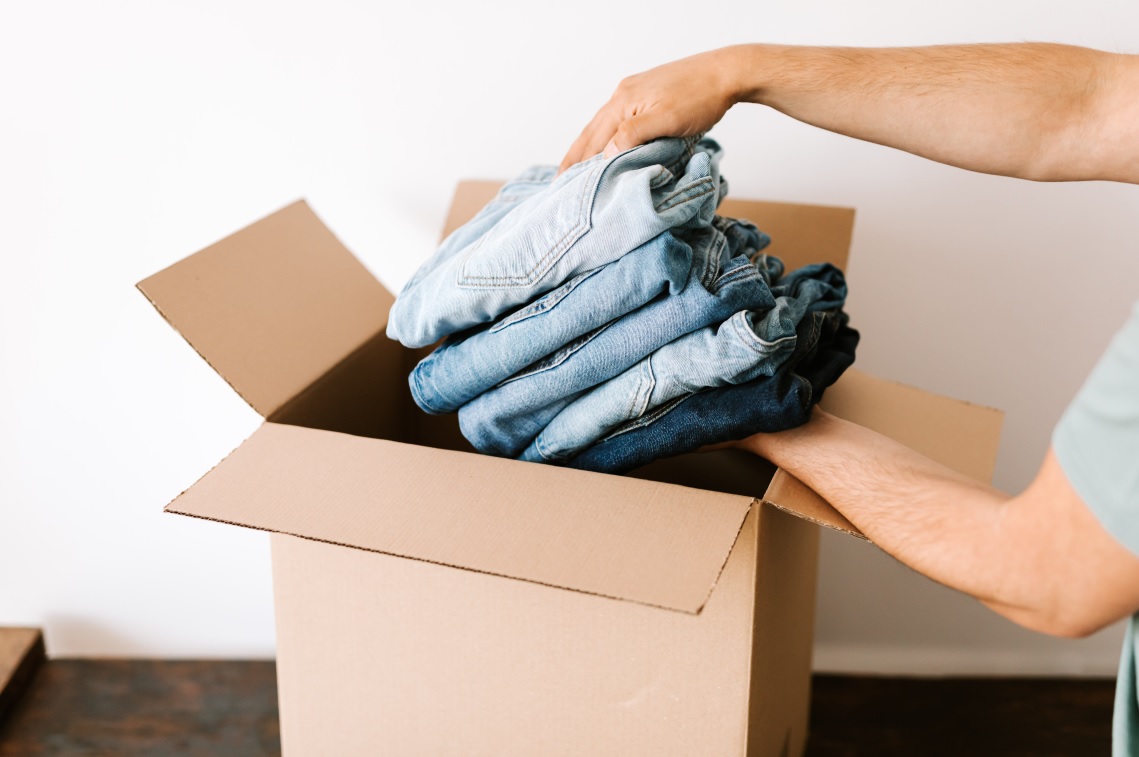
Sure, you can throw your clothes into a box, and that might not be the worst idea for more casual items like jeans and t-shirts. However, for items like button-down shirts, dresses, dress pants, etc., you might need to take a different approach. Some options include:
- Standard cardboard boxes – these are great for folded clothes like your sweaters, t-shirts, etc.
- Wardrobe boxes – perfect for clothes on hangers! You don’t even need to take the items off the hangers, just put them in these boxes. Many professional moving companies in NJ provide one or two wardrobe boxes for free
- Suitcases and bags – if you don’t have enough cardboard boxes, these are great alternatives
- Vacuum bags – perfect if you need to save space and condense clothes like bulky sweaters and jackets. It’s also a great way to store seasonal clothes, so it doesn’t take up too much space in your closet once you’re settled into your new home.
Organize Folded Attire for the Move
If you’re someone who has trouble folding the laundry when it comes out of the dryer, you might balk at folding your clothes during your move. There’s no getting around it, folding clothes is a labor-intensive process. You can make it easier on yourself, though. Unless your dresser is in very bad condition, you can leave all your foldable items in the drawers and tape them up tightly. You’ll save money on cardboard boxes and time spent packing. Plus, professional NJ movers know how to carry and maneuver large pieces of furniture.
Folding vs. Rolling vs. Vacuum Bag Space Comparison
| Method | Space Saved | Best For | Pros | Cons |
|---|---|---|---|---|
| Flat Fold | 20–25% space saved | Shirts, pants, sweaters | Prevents wrinkles; simple | Not the most space-efficient |
| KonMari Fold | 30–40% space saved | T-shirts, activewear | Maximizes visibility; good structure | Takes more time to fold correctly |
| Military Roll | 40–60% space saved | T-shirts, leggings, light items | Very compact; reduces wrinkles | Not ideal for bulky clothing |
| Vacuum Bags | 70–80% space saved | Coats, sweaters, bedding | Maximum compression; great for bulky items | Can wrinkle clothes; requires sealing |
However, if you’re not keeping any of your furniture, you will have to pack it. There are two methods of folding your clothes that are easy and efficient:
- Flat fold – these are perfect for your sweaters and jeans, and pair well with cardboard boxes and vacuum bags, and are the most traditional way to fold your clothes. Lay the shirt flat, fold the bottom up a few inches, then flip it around. Fold both sleeves toward the center, then fold the bottom half of the shirt.
- KonMari Fold – popularized by Mari Kondo, this method is similar to flat fold, but it allows you to see any designs on the shirts, so long as you pack them properly. It’s a fairly straightforward process where you fold one side of a shirt towards the center and repeat on the other side. Then fold the shirt in half lengthwise, and finally fold the shirt in half. You will want your shirt to stand upright to maximize space.
- Military roll – use this method for delicate items like shirts and dresses, or if you’re using suitcases or duffel bags. Follow the flat fold method, but instead of folding the bottom half of the shirt, roll from top to bottom.
Protect and Pack Footwear Like a Pro
Don’t throw all your shoes into a duffel bag! Shoes quickly lose shape and can get damaged during the move. Plus, if you have worn all of your shoes before, you’ll be getting whatever dirt, etc., on all of your shoes.
It’s in your best interest to pack your shoes properly, especially your dressier shoes. Stuff the shoes with some packing paper or socks so they keep their shape and wrap them in paper to prevent scuffing. If you have the original shoebox, place it in there and put everything into a small or medium box. It’s okay if you don’t have the original shoebox; you can place the shoes gently in a cardboard box without it.
And don’t ever pack your shoes with your clothes!
Accessories
Don’t toss these in with your clothes! It’s all too easy to lose small accessories like rings, necklaces, neck ties, etc. Instead, back these separately in a small bag or box. If these items are very valuable, you will want to keep these possessions on your person.
Pack a Bag or Suitcase for Moving Day
Don’t pack away all your clothes in boxes. Unless you are super motivated to unpack immediately when you move into your new place, chances are you’ll take a few days to go through all your boxes and bags. In the meantime, the last thing you want to do is root around your boxes to find your pajamas and a change of clothes. This is doubly true if you moved on the weekend and have to go to work on Monday.
So before you tape up all of your boxes, separate all of your essential items into a suitcase or box. When planning what to pack, consider what you would bring to a 2-3 3-day hotel stay. Items like socks, underwear, shirts, pants, pajamas, tooth brush, toiletries, etc. are all necessary, but you might have to pack other things like bedding, pillows, toilet paper, towels, silverware, one or two cups, etc. Don’t overload yourself, of course! Remember, this should be enough for two to three days, not a full month! The hope is that you will be finished unpacking the essentials within that time frame.
Get Ready to Move!
The tips above should help make packing your clothes a lot easier. If all else fails, you could always contact NJ Great Movers and request a partial packing option for your closet and dresser. We’ll handle all the hard work so you don’t have to!
FAQ
Can I pack clothes in plastic bins?
Of course, and it might even be a better option as plastic bins are sturdier than cardboard boxes and weather resistant so you don’t have to worry about your clothes getting wet if it’s raining or snowing during moving day.
What packing materials do I need to pack my clothes?
You should have tape, packing paper, and boxes for starters.
When should I start packing my clothes?
You can start packing your off season and/or dressy clothes as early as a month before your move date! For everything else, start packing your clothes no more than a week or two beforehand.