Categories
General

Best Places to Live in New Jersey in 2024

The new year brings with it new opportunities including a chance to find a new home. While many New Yorkers like to make fun of New Jersey, the state itself has a lot to offer from national parks to amazing beaches. If you’re in the market for a new home this year, moving to New Jersey might be in the cards. Not only can you get more space for the money you would spend on apartments in New York City, but you also aren’t too far away from the city life.

Of course, it’s not all sunshine and rainbows in New Jersey. You’re also dealing with high taxes, expensive homes, insane traffic, lots of landfills, and a lot of people (NJ is actually the most densely populated state with 9.3 million residents residing within the 7,354 square miles that make up the state). However, if you know where to look you can find some amazing places where you can experience all of the benefits with very few negatives. Below are some of the best places to live in New Jersey.

Princeton – A Popular University City

As the name suggests, this town is home to the prestigious Ivy League university of the same name. However, it boasts more than just an amazing university. The town is home to 31,000 residents including many young families and professionals. Thanks to the presence of the university, the town boasts a more urban feel and has a wide variety of restaurants, coffee shops, local retail shops, and cultural attractions. There’s also plenty of green spaces for you to enjoy during those warm summer days either at Morven Museum & Garden or Princeton Battlefield State Park.

While Princeton might be most known for the university, the emphasis on education is apparent at all levels. In fact, Princeton has some of the best public schools in the entire state. You can easily start a family, living in Princeton and have them attend excellent schools from kindergarten to college. Besides offering world-class education, Princeton University also has some excellent college lacrosse and basketball teams. So don the school colors (orange and black) and cheer with your neighbors.

Chatham: A Great Location for Families and Professionals

Located less than 25 miles away from Manhattan, Chatham offers all the charm of a quiet neighborhood while still being close enough to the bustle of a large city. It’s a great location for families and professionals as the downtown offers a great selection of restaurants and local stores to shop from. It’s also commuter-friendly and you can easily get around the town without a car. Of course, if you do want to travel outside of the town you have access to well-maintained roads and public transportation thanks to the NJ Transit.

Chatham is a great place for families. It’s safe and has plenty of family-friendly recreational locations to choose from. It’s located close to the Thomas Edison National Historic Park, which preserves Thomas Edison’s lab and residence where you can check out his inventions and tour the grounds. There’s also Liberty Hall Museum and Arboretum where you and your children can explore the mansion that hosted many distinguished guests such as George Washington, William Howard Taft, and Benjamin Franklin. Chatham is also home to some amazing public schools that are rated some of the best in New Jersey.

Elizabeth: One of the Largest Cities in New Jersey

If you’re still working in New York City, then Elizabeth might be a great option for you as it has two train stations and is close to both the Garden State Parkway and the New Jersey Turnpike. With a population of 128,000, Elizabeth is the fourth largest city in New Jersey. While housing prices aren’t cheap, you could potentially find a decent place for around $400,000. When compared to places like Princeton or Chatham, that price tag doesn’t look so bad!

One of the greatest strengths of Elizabeth is its diversity as it is home to 37 different languages and residents from 50 different countries. If you’re a foodie, you’ll be happy to find cuisine from around the world whether you’re looking for Columbian, Indian, Japanese, or Portuguese. There’s definitely something for everyone and you don’t even have to leave the comfort of your home. Of course, if you want to, Elizabeth is very pedestrian-friendly and thanks to the two train stations, you probably don’t need a car unless you plan on visiting other areas of New Jersey.

Thanks to its large size, it’s also relatively to find a job in Elizabeth and the city even offers incentives to business owners to bring commerce to the community. If you’re an entrepreneur, this could be a great place to start.

Ho-Ho-Kus: A Small Community for Peaceful Living

If you’re looking for a more small-town feel, then Ho-Ho-Kus might be the place you’re looking for. This quaint town is home to around 4,000 people and, as you would imagine, is a very tight-knit community. Despite that, the residents are welcoming so you don’t have to worry about feeling iced out by your neighbors when you move in. While many of the residents have spent their entire lives in the area, many still are transplants who wanted a quieter lifestyle with more nature.

Despite its small population, Ho-Ho-Kus offers a cute downtown lined with shops and restaurants as well as a commercial center and train station. If you’re looking for a bit more nature, you just need to travel a short distance and you’ll find yourself walking along Saddle River or Brewster Pond. The area does have an elementary and middle school, though kids will have to go outside the town for high school. Due to its attractive amenities and picturesque scenery, houses are not cheap in Ho-Ho-Kus, but if you can afford it, it’s a wonderful place to live.

Springdale: The Best Suburb in New Jersey

If you prefer being closer to Philadelphia than New York City, then Springdale might be the perfect option. Located just over 45 miles from Philadelphia, Springdale is a neighborhood of Cherry Hill, NJ, and offers quiet suburban living with city life just under an hour away so you get to enjoy both the quiet and peaceful streets and small-town vibe without sacrificing the delights of a big city. Compared to some of the places on this list, Springdale is on the more affordable end when it comes to home prices.

With a population of under 14,000 Springdale offers a sparse suburban feel. While there is a downtown, you’ll mostly find big-box retailers and chain stores. If you want an active nightlife scene, this might not be the best option as Springdale is home mainly to families and retirees. With that said, the restaurants are quite good and there are other amenities such as local gyms, pools, and close proximity to some green areas such as Pennypacker Park and Wharton State Park. As it is a neighborhood in Cherry Hill, you also have access to top-tier public and private schools. In 2021, Springdale was ranked in the top ten of best suburbs to live in New Jersey.

Moving to NJ

Once you’re ready to make your NJ move, why not give trusted professional movers a call to help make your transition smoother? NJ Great Movers offers plenty of moving services and we can cater to your needs and budget. We also know New Jersey like the back of our hand and can get you moved into your new place with no issues. As a trusted NJ moving company, our goal is to make your move as stress and hassle-free as possible. So give us a call and we’ll get you started on the moving process.

FAQ

Is living in New Jersey expensive?

It depends on where you live. Some areas are more expensive than others. With that said, New Jersey does have high taxes and home prices so you’ll want to keep that in mind when making your NJ move.

How safe is New Jersey?

Like other states, there are some areas of New Jersey that are safer than others. In general, the larger the population, the more crime there will be. Smaller suburbs and towns tend to be safer.

Will I need a car?

New Jersey offers some excellent public transportation in the form of trains, buses, and even ferries. Depending on where you live, you might not need a car at all. With that said, if you want to discover everything the Garden State has to offer, a car can provide you with more freedom and flexibility.
Categories
General

The Best Guide to Living in Elizabeth, NJ

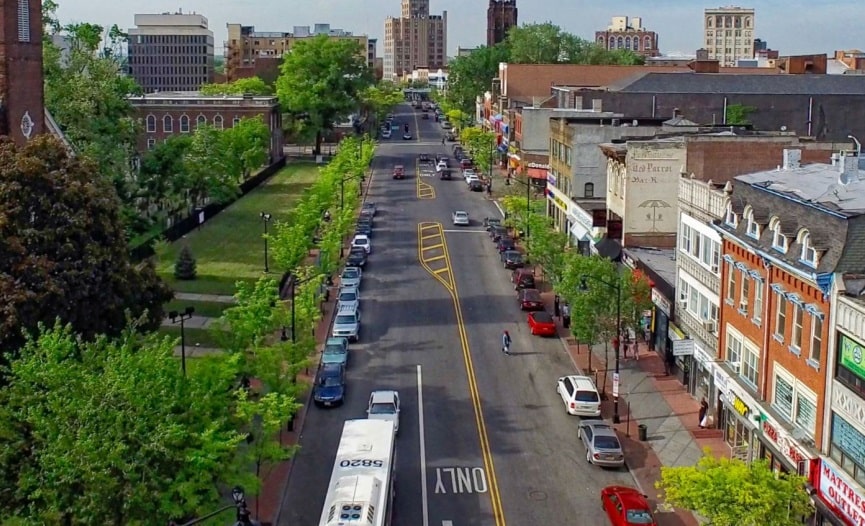
As the fourth largest city in New Jersey, Elizabeth boasts plenty of amenities and easy access to public transportation that can take you to other locations in New Jersey or to New York City, which is only 35 minutes away. The close proximity to NYC makes Elizabeth one of the best neighborhoods in NJ for commuters, and the excellent public schools make this the perfect NJ city for parents and families.

Before you plan on moving to Elizabeth, NJ, you should do a bit of research to see if this bustling city makes sense for you. Once you’ve decided to take the plunge, make sure to call up trusted NJ movers to help you get settled into your new home.

Know Everything About Elizabeth, NJ

One of the Busiest Ports in the World

Due to its location on the water, Elizabeth has always been a transportation hub. Since its founding in 1664, the city has seen its transportation facilities grow. It’s home to Port Newark-Elizabeth Marine Terminal, a container ship facility for goods entering and leaving the NYC metro area. It is the largest container port in the Eastern United States and the 2nd-largest in the country.

It’s part of the Urban Enterprise Zone

Portions of the city are part of the NJ Urban Enterprise Zone and were part of the initial group of 10 zones chosen to participate in the program when it was launched in 1992. As such, the city encourages employment and investment in these areas and also has a 50% reduced sales tax.

Excellent Public Transportation in Elizabeth

You don’t need a car in Elizabeth if you want to get around. The New Jersey Transit Authority has bus routes that run through the city and take you directly to the Port Authority Terminal. It’s also home to two train stations: Elizabeth Station and North Elizabeth Station. NJ Transit is also planning a segment of the Newark-Elizabeth Rail Link (NERL) that will connect to Midtown Station and Newark Airport for even easier commuting.

However, if you do want to own a car, there are two major highways you can hop onto: Highway 1, which will take you north and south through Elizabeth, NJ, and the I-95, which will get you to NYC and Philadelphia. There are three smaller highways – Highway 27, 82, and 28 – which run north and south, northwest, and west, respectively.

There are some amazing locations nearby the city that aren’t accessible by train, so having a car can come in handy. For example, one of the best places to check out the fall foliage is Cheesequake State Park, which is only 35 minutes away from Elizabeth. The highways also provide easy access to Staten Island if you want to visit for whatever reason.

Princeton Was Founded in Elizabeth

It might now be located in Princeton, NJ, but the esteemed college was founded in Elizabeth back in 1746 as the College of New Jersey. It later moved to Newark in 1747 and then to Princeton in 1756, where it remains today.

Variety of Neighborhoods in Elizabeth

As a large city, Elizabeth boasts a variety of neighborhoods, each with their own look and feel. When choosing where to live, you should take the time to explore each area to find the one that matches your needs.

  • Midtown/Uptown – this is the main commercial district and historic section. It’s home to the First Presbyterian Church, which was a battleground during the American Revolution. It’s also home to many English-type gardens.
  • Bayway – located in the southern portion of the city and between the Elizabeth River and Arthur Kill. The neighborhood has very strong Polish roots with plenty of ethnic restaurants and stores. Houses tend to be more affordable here, with an emphasis on two to four-family housing units.
  • Downtown/Elizabethport – the oldest and most diverse location in Elizabeth. You can find old-world Elizabethan houses right next to modern American colonial-style houses. Enjoy some amazing shops and then head to the marina for a nice stroll along the water.
  • Elmora and the West End – If you’re a foodie, then Elmora is the place to be. It boasts some of the best restaurants in the city, and it’s a quick jaunt to the Elizabeth station.


Neighborhood Comparison Scorecard

Neighborhood Walkability (0–100) Transit Access (0–10) Avg Rent Avg Home Price School Quality (0–10) Crime Index (0–100) Commute to NYC (mins)
Midtown / Uptown 92 9 $1,650 $425,000 7 48 32
Bayway 74 7 $1,450 $360,000 6 52 35
Downtown / Elizabethport 88 8 $1,550 $385,000 6 58 33
Elmora 81 8 $1,700 $440,000 8 45 30
North Elizabeth 79 9 $1,600 $410,000 7 43 28
Peterstown 76 7 $1,550 $395,000 7 40 31
Quality Hill 72 6 $1,450 $380,000 6 47 34
Westminster 68 6 $1,500 $400,000 8 38 30


  • Frog Hollow – this small neighborhood got its name due to the excellent frog catching in its marshes. Since its inception, the neighborhood has expanded and now includes the area known as Helltown, which includes many docks and shipyards. As such, it’s a great place for people who enjoy being on the water.
  • Keighry Head – Located close to Midtown, this neighborhood is more on the affordable side and is close to transportation and great shopping.
  • North Elizabeth – Next to Elmora, North Elizabeth is a great place for commuters as it is home to the North Elizabeth train station. You can find a nice apartment or a larger one, or a two-family home here.
  • Peterstown – This middle/working-class neighborhood is located in the southeastern part of the city. Despite being part of Elizabeth, it delivers a more ‘small-town’ feel and contains the historic Union Square, which is home to many food stands, meat markets, and poultry stores.
  • The Point – formerly known as the Crossroads, this area is close to Midtown and is going through a transformation as more two-family homes are being built here.
  • Quality Hill – Once the most fashionable place to live in Elizabeth, it has become a quiet residential area with new condos popping up.
  • Westminster – If you love nature, then Westminster is the place for you. It’s home to the Phil Rizzuto Park and provides easy access to the boardwalk along the Elizabeth River for excellent birdwatching.

Schools in Elizabeth, NJ

Elizabeth is one of the largest school districts in New Jersey. There are a total of 26 public elementary schools and six high schools with a total enrollment of 28,712 students. The schools have consistently received excellent ratings from parents and students alike. In fact, some schools have been recognized by the Department of Education by receiving the Blue Ribbon School Award of Excellence – the highest award an American school can receive – including William F Halloran Alternative School and Victor Mravlag Elementary School.

While Elizabeth might not be home to any universities, there is a branch of Union County College located in the city as well as Drake College of Business. The city is also close to other major universities like Rutgers and Princeton.

Variety of Jobs in Elizabeth

As the fourth most populous city in New Jersey, Elizabeth boasts a variety of jobs. While most of the residents tend to commute to NYC for work, many more find local jobs. Some of the largest employers include:

  • Port Newark – the 2,000-acre marina terminal is the second largest container port in the US
  • Bayway Refinery – this refining facility supplies petroleum-based products to the NYC/NJ area, producing around 230,000 barrels per day
  • Jersey Gardens Mall – if you enjoy working retail, then your best bet is to find one at the Jersey Gardens Mall, the largest outlet mall in NJ
  • Trinitas Regional Medical Center – the largest healthcare facility in the city and one of the largest healthcare employers in the area

If you don’t want to work for a large company, there are plenty of small businesses in a diverse set of sectors, from food and beverage to manufacturing. Chances are, you’ll find an employer that needs your skill sets!

Of course, if you can’t find anything in town that suits your needs, then you can find a job in NYC. And you wouldn’t be the only one. On average, around 10,000 residents who live in or near Elizabeth commute to the city. While driving is certainly an option, you can also take the NJ Transit trains to Penn Station or one of the buses to Port Authority.

If you want to start your own business, Elizabeth, NJ, is a great place! Residents can apply for small business grants and loans. The city itself supports small businesses by providing a network of partners such as the Elizabeth Development Company. Its recent growth in small businesses is due in no small part to the Urban Enterprise Zone, which has brought billions of dollars in private investments.

Cost of Living in Elizabeth

Despite its proximity to NYC, the cost of living in Elizabeth is actually slightly lower than the rest of New Jersey. Of course, this all changes based on your living situation, but by and large, Elizabeth residents spent around 6 percent less on food, housing, and personal spending than other New Jerseyians. Interestingly, the cost of healthcare, utilities, and transportation is 5 percent higher than the rest of the state.


Cost of Living Breakdown vs. New Jersey Average

Category Elizabeth, NJ New Jersey Avg. Difference
Housing Index 112 142 -21%
Transportation Index 102 110 -7%
Utilities Index 98 103 -5%
Healthcare Index 96 101 -5%
Grocery Index 102 108 -6%
Avg. Monthly Cost $3,150 $3,650 -14%


When it comes to housing, the median home price is around $374,100 compared to the $397,900 for the rest of New Jersey. Renting an apartment is also cheaper, with studios averaging around $1,200/month. Of course, as more people start flocking to Elizabeth, chances are rents and home prices will continue to increase.

Safety and Crime

As a large city, Elizabeth does suffer from crime, with theft being the most common. Like any city, there are areas that are safer than others, with the northeast part having fewer cases of crime. With that said, it’s important to remember when looking at a crime map that often the areas with the highest instances of crime tend to be in retail areas, parks, etc., due to the large concentration of people that visit these places.

If you’re worried about property crime, make sure to install cameras, as your home is 300 percent more likely to be robbed without a home security system. From there, it’s really about getting to know your neighbors! The more people know you, the more they will look out for you.

Elizabeth Demographics

Elizabeth has a population of almost 140,000 people, due to its roots in manufacturing, transportation, etc. Elizabeth is considered a blue-collar town, though more white-collar workers have started to move to the area due to its affordable prices and quick commute to NYC. Still, around 40 percent of the workforce is employed in blue-collar occupations.

Thanks to its location along the water, Elizabeth is also quite diverse, with around 59 percent of the population identifying as Hispanic or Latino, 21 percent identifying as black, and 16 percent identifying as Pacific Islander. The city’s Hispanic population was the tenth-highest in New Jersey. The median income is $43,770, with the majority of residents being between 18-44.

Elizabeth Weather

Similar to other New Jersey cities, Elizabeth is characterized by hot, humid summers and cool to cold winters. Located in the Northeastern part of the United States, you’ll get to experience all four seasons. While the area generally doesn’t see too much in the way of extreme weather events, it can be affected by hurricanes and blizzards.

Fun Things to Do in Elizabeth

There’s truly something for everyone in Elizabeth, whether you’re going to brunch with your friends or enjoying the beautiful weather with your kids. Chances are, there’s a fun activity going on! Plus, if you get tired of Elizabeth, NYC is just a short train ride away.

  • Enjoy the outdoors – Want a little fun in the sun? There are plenty of outdoor options. Walk along the Elizabeth River Trail and enjoy the city’s rich history. Join an intramural sports team and play at Mattano Park while enjoying views of the Elizabeth River. Or do some light hiking at the 200-acre Warinanco Park.
  • Eat great food – Thanks to its culturally diverse population, there are plenty of interesting restaurants to visit. Go to Valencia restaurant for some of the best traditional Portuguese fare in New Jersey. If you’re looking for fusion cuisine, check out The Garden for a fusion of Latin American flavors.
  • Go shopping – Elizabeth is home to Jersey Garden Malls, the largest outlet mall in the state. It’s home to local and international brands. If you’re looking to support small businesses, visit Midtown or Elmora for more boutique options.
  • Find some weekend entertainment – Elizabeth offers a variety of entertainment options. If you’re looking for a more artsy experience, go to Barcode for some great food and ticketed events. If you’re in the mood to dance the night away, you can head over to Bamboleo Bar and Grill. Otherwise, enjoy a cold brew and the game at The LOBBY! There are also seasonal festivals and events throughout the year, such as Portugal Day Parade, the Reenactment of the Battle of Elizabethtown, and more!
  • Watch some live performances – Built in 1926, the Ritz Theatre offers a wide variety of concerts and shows. There’s something happening almost every day of the week, so check out the site and see if there’s anything that interests you. If you want to do something arty for free, check out the local street murals. These artworks were commissioned by the Elizabeth Renaissance Foundation and feature murals by a local artist.

Moving to Elizabeth

Elizabeth, NJ, boasts a combination of qualities that will appeal to people from different backgrounds, from people looking for a quiet, residential area to those who want to be near the nightlife. There’s truly something for everyone. Plus, if you can’t find it in Elizabeth, you’re just a stone’s throw from NYC.

If you’ve decided to move to Elizabeth, make sure to reach out to movers NJ residents trust! They’ll be able to get you moved in without delay so you can start your new life on the right foot.

FAQ

What are the average utility costs in Elizabeth, NJ?

It depends on the providers you use, but in general you can expect to spend around $300+ a month on electricity, internet, heating, water, etc. if you live in a house.

When is the best time to move to Elizabeth, NJ?

That depends on your definition of ‘best.’ In terms of the actual moving part, you’ll want to move either in the spring or fall to avoid the snow in the winter and extreme heat/humidity during the summer. When it comes to finding a good deal, you’ll likely want to look during off-peak seasons like end of fall through late winter as there will be less people moving during this time.

What are the taxes like in Elizabeth?

New Jersey has some of the highest property taxes in the United States so you’ll be paying a hefty sum if you decide to buy. However, when compared to NYC, overall state income taxes are lower, and you won’t have to pay the additional NYC tax. Sales tax is also lower than NYC, and in some areas you will pay even less if it’s part of the Urban Enterprise Zone!

Categories
General

Why You Should Live in Princeton, NJ – The Complete Guide

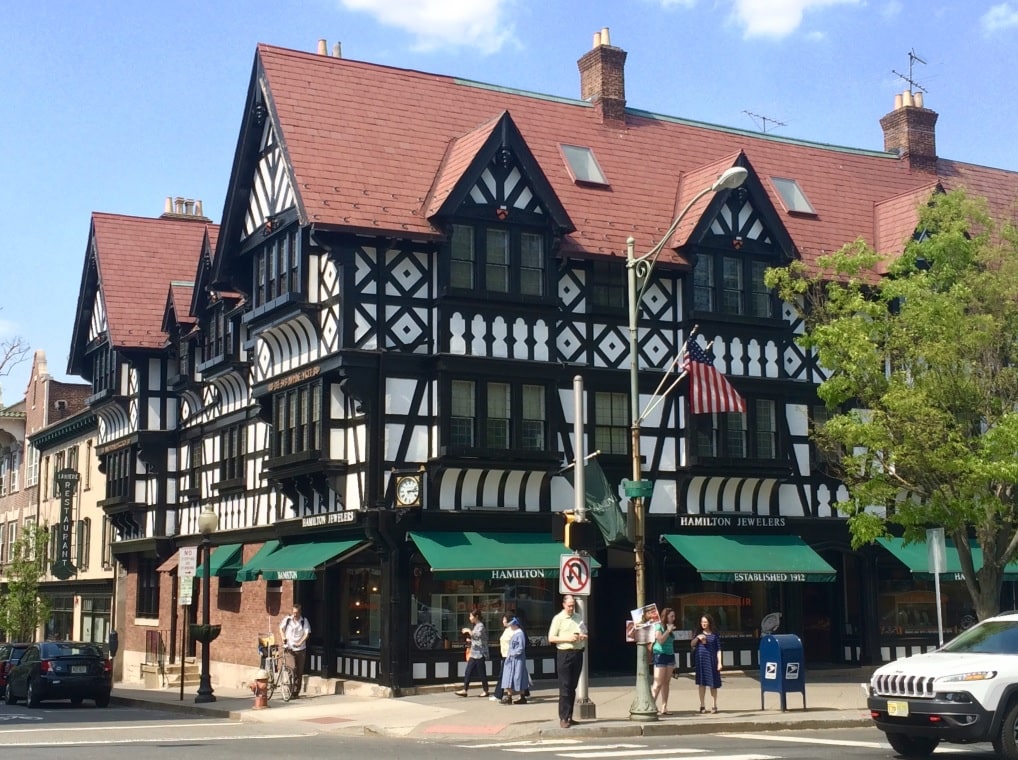
When most people hear Princeton, the first thing that pops into their head is Princeton University. While the renowned is a dominant feature of the city, there’s much more to see and do in the area. Ranked as one of the best places to live in New Jersey, it offers a nice suburban feel and provides easy access to both New York City and Philadelphia.

Important Things to Know About Princeton, NJ

It Has a Long History

Prior to European settlement in the 17th century, the Lenape Native Americans were the earliest identifiable inhabitants of the region. Princeton was named in 1724 upon the construction of the first house by James Leonard, who first referred to the community as Princeton. There are two theories as to why the town came to be named Princeton. The first suggests it was named after King William III, Prince William of Orange of the House of Nassau. The second theory is that the name came from a landowner named Henry Prince.

Great Job Prospects in New Jersey

Besides working at Princeton or the other nearby colleges, Princeton is also home to several multinational companies as well as hundreds of small businesses ranging from retail to health & wellness.

Easy Access to New York City and Philadelphia

Despite its relatively small size, there’s actually quite a lot to do in Princeton as it boasts several restaurants, locally owned retail stores, a world-class art museum, and much more. Of course, if you do get bored, you’re equidistant to both NYC and Philadelphia, whether you feel like taking the Amtrak or NJ Transit.

It’s Famous as a College Town

As you might expect, Princeton, NJ, is a college town. Princeton University is the most well-known and prestigious. A total of six presidents attended Princeton University, which is only two behind Harvard, which has the highest number of presidential alumni, with a total of eight.

Besides this, Princeton also has connections to more than 40 Nobel laureates, 17 winners of the National Medal of Science, and 5 recipients of the National Humanities Award. It’s no wonder that people from around the world apply to this illustrious college. As such, despite its relatively small population, it is very diverse with people from different countries and backgrounds coming together.

Besides Princeton University, the town is also home to Mercer Community College, Westminster Choir College, and Princeton Theological Seminary. As such, the population ebbs and flows with the school year.

Princeton Neighborhoods

Don’t be fooled by its small population; Princeton has several different neighborhoods that offer a variety of settings and house styles.

  • Western Section – extending west and north from the Princeton Battle Monument, this area includes many older and, in some cases, historic homes, complete with beautiful lawns. It is also close to the center of town, making it one of the most desirable neighborhoods.
  • The Institute & Hun Area – West and south of Elm Road, this area offers newer and more luxurious homes. There are several parks and open spaces that belong to Princeton University, as well as the Springdale golf course.


Princeton Neighborhood Comparison Scorecard

Neighborhood Walkability Score Average Home Price Commute to Downtown Safety Rating School Rating Lifestyle (Quiet, Urban, Family-Friendly)
Downtown Princeton 92 $1.1M 0–3 min A A+ Urban / Walkable
Princeton North 78 $900,000 5–7 min A A Family-Friendly
Princeton South (Near Poe Road & Riverside) 72 $1.25M 6–10 min A+ A+ Quiet / High-End Residential
Western Section / Elm Road Area 68 $1.4M 8–12 min A+ A Luxury / Private
Littlebrook Neighborhood 64 $1M 7–10 min A A+ Suburban / Family-Oriented
Princeton Junction (Nearby, but popular) 55 $750,000 10–15 min A A Commuter-Friendly


  • Rosedale – Bordering Rosedale Road, this section offers many stately homes that tend to have somewhat larger properties than those closer to town. You can enjoy rolling hills and beautiful hiking trails within the many preserved lands.
  • Ettl Farm – located west of Rosedale, and is one of the largest developments in Princeton, with more than 80 homes. You can enjoy a true ‘neighborhood’ feel and get to know your neighbors.
  • Pretty Brook – This gated area has some of the newest and most notable mansions in town. You can enjoy a varied landscape here, complete with hills, streams, ponds, and wooded spots. The area is quiet and offers much more privacy than other locations.
  • Princeton Center – In the heart of Princeton and located a short walk or bike ride to the center of town, Princeton University, or Westminster Choir College. It’s also convenient to many primary schools and the Princeton Shopping Center.
  • Riverside & Littlebrook – bounded on the south and east by Carnegie Lake, this mostly residential neighborhood is a relatively new development. While not as dense as Ettl Farm, there are more houses popping up, especially along the lake.
  • Town & Country – Located about 20 minutes away from Princeton Center, this area offers easy access to public parks, playing fields, various nature preserves, and more
  • Battlefield – On both sides of Mercer Road stretches the Battlefield site, a now picturesque area that is often the site of wedding parties. It’s a perfect place for hiking and, occasionally, cross-country skiing.

Schools in Princeton, NJ

Princeton, NJ, has a total of 6 public schools that serve students in pre-kindergarten through 12th grade. The public schools have an enviable student-teacher ratio of 11:1. Princeton High School consistently ranks in the top 10 of the best schools in New Jersey and the top 50 best public high schools in America. The other public schools consistently receive high grades from the state as well as parents due to the excellent teachers and varied/challenging curriculum.

Besides public schools, Princeton is also home to several private schools, including St. Paul’s Catholic School, which is the oldest and only coeducational Catholic School. Other notable private schools include Hun School of Princeton and Princeton International School of Mathematics and Science. The city also has a Japanese Language School that teaches weekend Japanese classes for Japanese citizen children abroad to the standard of the Ministry of Education, Culture, Sports, Science, and Technology (MEXT).

When it comes to higher education, Princeton is, of course, well known for being the home of Princeton University. Founded in 1746, it is the 4th oldest institution of higher education in the United States and is often ranked among the best and most prestigious universities in the world.

Jobs in Princeton, New Jersey

One of the largest employers of Princeton is, of course, Princeton University. Besides working as a professor, there are many administrative-level jobs throughout the university. If you don’t want to work for a university, there are plenty of other options. While the city might not have as many large corporations as places like Jersey City, you can find jobs at places like Johnson & Johnson, Black Rock, and Bristol Myers Squibb.

There are plenty of other opportunities if you prefer a smaller environment. There’s truly something for everyone. There are plenty of small shops you can work at if you are looking for something part-time. You can also find plenty of full-time work with the local companies that provide business services such as health and wellness, construction, education, and more.

If you want to start your own business, then Princeton, NJ, is a great location to move to. There is a chapter of Startup Grind, which is the world’s largest community of startups, founders, innovators, and creators. The community provides networking events, workshops, and promotes NJ and regional startups. And once you do start your business, there are plenty of talented college graduates to choose from!

Cost of Living in Princeton

Princeton, NJ, is considered one of the best places to live in New Jersey, and with that comes a hefty price tag. The average cost of a home is around $910,000, although the various mansions in the area drive up the price. In general, home prices cost around $400 per square foot. This is still significantly higher than the $184 per square foot median price for houses in the US. This doesn’t even include the average property tax bill of $19.388/year.


Princeton Cost of Living Breakdown vs. NJ & U.S. Averages

Category Princeton New Jersey Avg U.S. Avg
Housing Index 185 142 100
Median Home Price $910,000 $500,000 $412,000
Average Rent (1-BR) $2,000 $1,650 $1,324
Property Tax Average $19,388/yr $9,800/yr $3,900/yr
Utilities Cost $210/mo $185/mo $160/mo
Transportation Cost Index 125 112 100
Grocery Index 118 108 100
Healthcare Index 94 102 100


However, you get a lot for your money, including safe neighborhoods, an excellent school system, and proximity to two major cities. Despite the high prices, the majority of Princeton residents own their homes.  If you can’t afford to buy, there are some apartments available, but they tend to be on the more expensive side. You can expect to pay an average of $2,000 for a 1-bedroom apartment.

In general, living in Princeton, NJ, isn’t cheap. You’ll be paying more for groceries, utilities, transportation, and property taxes. The only area where you might save money is with healthcare. It’s no surprise that the median household income is over $130,000.

Safety and Crime

Princeton is a relatively safe town with a crime rate of around 10 per 10,000 residents. This makes the rate around average for other cities and towns in the US. If you live here, you don’t have to worry too much about violent crime. Instead, the most common type of crime is property crime. You can curb this by installing security cameras and having up signs saying that your property is under camera surveillance 24/7.

The southeast part of Princeton is widely considered the safest part of the city, while the southwest areas tend to have more crime. This can be attributed to many retail establishments in the western part of the city. In general, more crimes are committed on retail blocks where few people live. This isn’t an indictment of the western portion of Princeton. In fact, overall, the city is fairly safe.

Princeton Demographics

Princeton has a population of around 30,000 people. There are slightly more men than women, and around 55 percent of the population has a graduate degree. This isn’t a huge surprise considering the influence of Princeton University on the town.

While not as diverse as places like Jersey City or New York City, Princeton does have a sizable minority population with around 17 percent identifying as Asian and around 6 percent identifying as Black or African American. The majority, 72 percent, identify as white.

Princeton Weather

Princeton’s climate is considered a humid subtropical climate, similar to that of New York City. That means you get hot, humid summers and mild to cool winters. For the most part, Princeton doesn’t experience too many extreme weather events besides blizzards, thanks to its location. Unlike places like Jersey City or Atlantic City, Princeton did not suffer tremendous power outages or deaths from Hurricane Sandy in 2012.

Fun and Exciting Things to Do in Princeton

It might not be a big town, but Princeton still has a lot to offer if you’re looking for some fun activities for the family. It’s also a very walkable town, so if you’re visiting, then find a place to park and explore the town on foot. Yes, the entire town is around 18 square miles, but there are plenty of places where you can park and enjoy the scenery from the downtown area to the parks.

  • Experience the arts – Princeton is home to the Princeton University Art Museum, which houses over 92,000 works of art ranging from antiquity to the contemporary period. Even just walking around campus can be an excellent study in architecture and landscaping, as the grounds have beautiful buildings and gardens. If you’re more of a music or theater fan, Princeton is home to several performance arts centers, so you can enjoy amazing music, plays, or improv!


Things to Do in Princeton – Popularity & Ratings Table

Attraction Category Google Rating Annual Visitors Cost Walking Distance from Downtown
Princeton University Campus Arts / History ⭐ 4.8 800,000+ $0 5–10 min
Princeton University Art Museum Arts ⭐ 4.9 200,000+ $0 5 min
Palmer Square Food / Shopping ⭐ 4.7 1,000,000+ $–$$$ 0–3 min
Morven Museum & Garden History / Nature ⭐ 4.6 35,000+ $$ 12 min
Princeton Battlefield State Park Nature / History ⭐ 4.7 150,000+ $0 8 min (drive)
Lake Carnegie Walking Trails Nature ⭐ 4.8 300,000+ $0 10–15 min
Nassau Street Restaurants Food ⭐ 4.5–4.8 Millions $–$$$ 0–5 min


  • Take in the history – There are many historical locations in Princeton, including Albert Einstein’s house, Princeton Battlefield State Park, Jugtown Historic District, and Westland Mansion, to name a few.
  • Enjoy nature – if you love being outside, then Princeton is the place for you. There are many protected reserves and parks to enjoy, including: D&R Canal State Park, Mountain Lakes Preserve, Marquand Park, and Lake Carnegie
  • Visit the local eateries – you wouldn’t think a small town of 30,000 would have a lot of food options, but there are plenty of restaurants and small eateries to choose from. Enjoy a farm-to-table experience at Agricola or enjoy a cup of coffee at Small World Cafe.
  • Cheer on the local sports teams – if you’re a sports fan, then you’ll be happy to know that Princeton has one of the largest and most successful athletic programs in the NCAA division. They have the best-known men’s and women’s basketball teams within the Ivy League. On top of that, their football team has claimed 15 football championships!

Moving to Princeton

Princeton’s population has remained relatively steady, though demand seems to be increasing, as evidenced by the rise in development. If you’re looking for a place to start a family, then Princeton is an excellent choice. It might not be cheap, but it offers top-notch education and family activities.

Once you’re ready to move, make sure to hire local movers in NJ like us! We can help make your move quick and easy! Reach out to ask for a free quote!

Categories
General

The Best NJ Cities for Young Professionals in 2025

You don’t have to move to NYC to have good job prospects. If you’re a young professional in NJ, you might want to look locally for jobs. Sure, you don’t have to limit yourself, but NJ is home to 15 Fortune 500 companies and over 750,000 small businesses. Of course, not all cities are created equal. If you’re a young professional, you’ll want a location that has plenty of great jobs, a decent nightlife, and affordable rents or home prices. While it’s getting harder to find all three things, it’s not impossible. If you’re looking to make a move, then below are some of the best NJ cities for young professionals.

Most Affordable and Popular City: Jersey City

Despite its negative reputation, Jersey City has quickly become a favourite among young professionals for a variety of reasons. Jersey City is the second most populous city in New Jersey, right behind Newark. Thanks to this, it offers plenty of amenities such as amazing restaurants, great nightlife, and cultural institutions such as the Liberty Science Centre. And if that’s not enough, you’re a short PATH ride away from NYC.


Cost of Living Comparison for Young Professionals (City vs NJ Average)

City Avg Rent (1BR) Avg Rent (2BR) Cost of Living Index Grocery Index Transportation Index Utilities Index
Jersey City $2,900 $3,800 128 112 135 118
Montclair $2,400 $3,300 122 109 120 115
North Bergen $2,000 $3,000 115 104 110 108
Hoboken $3,100 $4,400 130 115 138 120
Edgewater $2,500 $3,600 118 105 112 110
NJ State Average $1,950 $2,650 100 100 100 100


Compared to NYC, Jersey City’s rents are affordable. You might see similar prices, but you’re getting a lot more space than what you might find in the best neighbourhoods of Brooklyn or Manhattan. There’s also plenty of work in Jersey City. Nicknamed the Wall Street West, Jersey City is home to major financial institutions such as Citigroup, Fidelity Investments, and Depository Trust and Clearing Corporation.

If you like shopping, then you’re in luck! Jersey City has several shopping districts, including Newport Mall. Some portions of the city are part of the Urban Enterprise Zone, where you can pay reduced sales tax on your items.

Beautiful View from the City: Great Montclair

While technically a town, living in Montclair offers some stunning views of the surrounding area. If you manage to snag a home in higher locations, you can even get views of the NYC skyline. This quirky location offers the trappings of a quiet, suburban life, but also keeps it exciting as it has a lively food scene, wonderful cultural establishments such as Montclair Art Museum and Wellmont Theatre, and a bustling downtown. If you’re looking to connect with other young professionals, there are many networking groups dedicated to specific industries and businesses.

While it’s further away from NYC than Jersey City, you can still get there in under an hour via the NJ Transit. Of course, you could drive, but dealing with the traffic getting into NYC and then finding a parking spot might not be worth it. Average rent in Montclair tends to be a bit on the higher side, but you’re getting a lot more bang for your buck. Buying a home also isn’t cheap, but you might be able to find a decent starter home for around $500,000-$630,000.

Best Option to Start a Career: North Bergen

Much is great for people just getting started in their careers. Average rents in North Bergen are around $2,000, with 2+ bedrooms venturing into the $3,000 territory. While this might be high for single renters, it’s a great option if you plan on having a roommate. Not only do you get two actual bedrooms, but you can also expect an actual living room and a separate kitchen for these prices. That’s more than you can say for 2 bedrooms in Manhattan! And while you don’t have the PATH train taking you to Manhattan, North Bergen does have easy access to NYC thanks to both bus and light rail services. You can also hop on a Jitney commuter bus for access to the George Washington Bridge Bus Station, the Newport Centre, and other local stops.

Much like Jersey City, portions of North Bergen are part of the Urban Enterprise Zone, so you pay 50% less in sales tax in these areas. Job-wise, you can choose from a variety of companies, though the largest include Hudson News and Liz Claiborne. If you’re in the freight industry, you’ll be happy to know that the New York, Susquehanna and Western Railway operates five facilities in North Bergen. After a hard day at work, you can kick back at the New Jersey Beer Company.

Small but Best City for Young Professionals: Hoboken

It might be small in size, but Hoboken is one of the best NJ cities for young professionals for a variety of reasons. The first reason is competitive rents. While the rents in Hoboken are rising due to demand, it still remains cheaper than some areas in Manhattan and Brooklyn. For many, saving a couple of hundred dollars a month is definitely worth it. Plus, it’s a short 15-minute ride into Manhattan, making it a faster commute than if you were travelling from some areas of the Bronx, Brooklyn, and Queens.


Job Market Strength Index (Top Employers & Job Availability)

City # of Major Employers (5+ Employees) Top Industries Job Availability Score (1–10) Median Salary (Ages 25–34)
Princeton, NJ 65+ Education, Pharma, Tech, Finance 9/10 $72,000
New Brunswick, NJ 80+ Healthcare, Education, Biotech 8/10 $65,000
Jersey City, NJ 120+ Finance, Tech, Logistics 9/10 $78,000
Hoboken, NJ 45+ Tech, Startups, Finance 8/10 $82,000
Trenton, NJ 50+ Government, Logistics, Education 7/10 $58,000


Just because you’re close to Manhattan doesn’t mean you have to travel there. In fact, there are plenty of things to do in Hoboken. Despite its quaint, small-town vibe, Hoboken has a wide selection of bars and restaurants to visit, due in part to the local college in the area, Stevens Institute of Technology. You can enjoy a pint at Moran’s for a more chummy atmosphere or go clubbing at Wicked Wolf. Want to learn how to decorate cakes? Go to Butter Lane for some delicious pastries and baking classes.

Of course, since you’re so close to NYC, you pretty much have all the benefits of living in NYC without having to pay NYC taxes or prices! It’s the perfect happy medium for those who want the trappings of city life without the price tag.

Small Town with a Great View: Edgewater

This little town might not seem like much at first, but it offers pretty much everything you could want. Of course, there are the spectacular views of the Hudson, but it also offers fine dining, such as The River Palm Terrace, as well as affordable comfort options. On top of that, it’s a short bus ride to NYC, so you can head into the city if you’re tired of the Edgewater scene. While costs have risen over the years, Edgewater still remains affordable. Average rents for a one-bedroom are around $2,50,0, with the average size of an apartment coming in at just over 1,000 square feet. Home prices aren’t low, but you can find something for as low as $500,000.

What sets Edgewater apart from the other areas is its diversity. It is a very ethnically diverse area and boasts the largest Japanese-American concentration in New Jersey when combined with nearby Fort Lee. It’s home to Mitsuwa, a very large Japanese grocery store that offers Japanese produce, snacks, and pastries. There’s also a Whole Foods for organic produce and Trader Joe’s if you want something a bit more affordable. There are five other shopping areas where you can enjoy local restaurants, shops, and more.

Ready to Make Your NJ Move?

There are so many amazing places to live in NJ, but if you’re a young professional, you probably want to stay close to the action in NYC without having to live with 4+ roommates. In that case, these NJ city options are a great starting point.

If you’re ready to move, make sure to hire trusted NJ movers (like us). They’ll help get you settled into your new place as soon as possible.