Categories
General

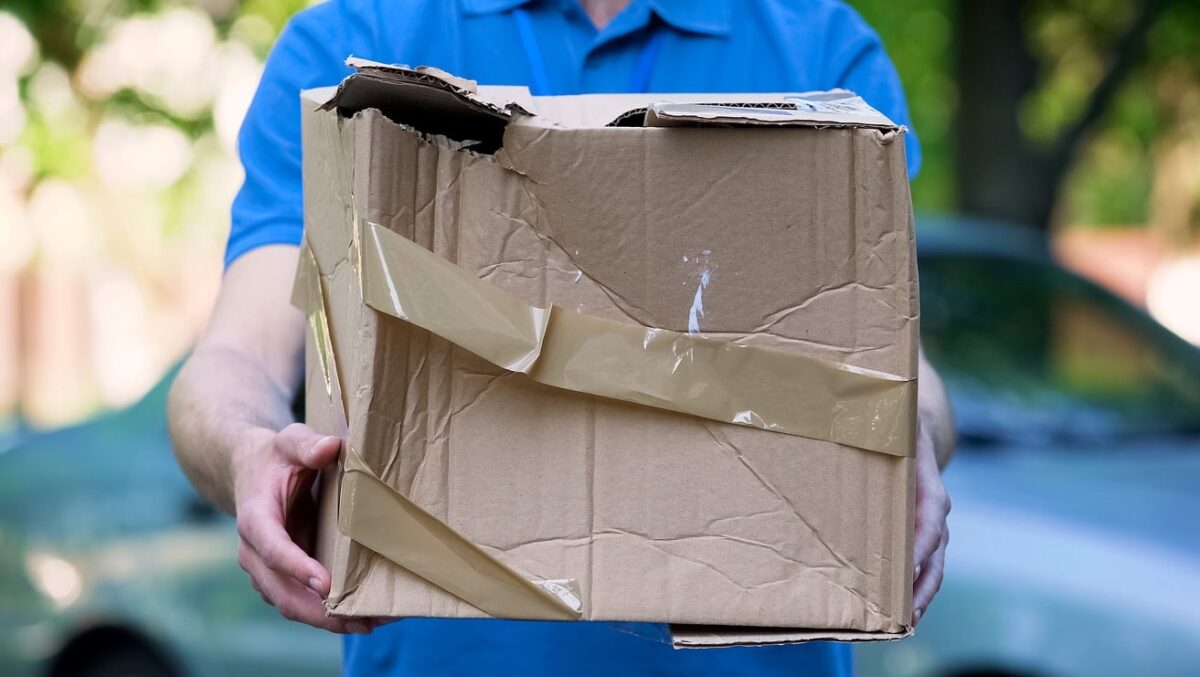
Are Movers Responsible for Damage

In an ideal world, nothing would ever get damaged during a move. Unfortunately, that’s not always the case, and while professional movers work their hardest to ensure the safety and security of your items, sometimes accidents happen. To avoid potential headaches for your move, it’s important to know when movers are liable and what steps you can take in case your items are damaged or missing.

The Truth About Moving and Damages

When you hire NJ movers, you spend a decent amount of money not just for convenience but for protection. In theory, hiring movers should be the safest way to transport your belongings. After all, movers have training and experience on the best way to pack the truck and drive without damaging your things. So when something does get damaged, it’s usually due to improper packing, cluttered moving space, or even simple accidents. The reason for the damage will ultimately decide whether the moving company is liable or not.

When Are Movers Responsible for Damage?

Your choices and actions can play a significant part in whether the moving company is held liable for damages or not. Some factors include:

  • Packing hazardous materials – if you pack these items without letting the movers know, and they damage something, the movers may not be held liable.
  • Self-packing – when you pack your own boxes, movers might not be responsible for any damage to the contents. With that said, if you can prove that you packed the box appropriately and the damage comes from neglect and poor handling by the movers, you can open a claim.
  • Coverage selection – your belongings are automatically covered by released value protection coverage, but that means movers are only liable for no more than $0.60 per pound per item. You can purchase full value protection, and if something gets lost, damaged, or destroyed, the movers can choose to repair, replace, or compensate for the current market value
  • High-value items – even if you purchase the full value protection, movers cannot be held liable if you don’t declare all the high-value items. These tend to be items that are worth over $100 per pound, so think of an expensive SLR camera or your TV. Luckily, you just need to declare these items in the inventory.

Common Causes of Moving Damage

Cause of Damage Description Estimated Frequency (%)
Packing Errors Items not packed securely, wrong box sizes, insufficient padding 35%
Improper Truck Loading Overstacked or unbalanced items, heavy items placed incorrectly 25%
Weather-Related Damage Rain, snow, humidity, or extreme temperatures affect items 15%
Handling Errors Movers dropping, bumping, or mishandling items during transport 25%


  • Signing delivery receipt – be careful when signing these, as some might have provisions that release movers from their responsibility once the document has been signed. Always inspect your belongings before signing anything.
  • Delay in reporting – if you notice that an item is damaged or a box is missing, report it as soon as possible. While most valuations allow customers to report within 30-60 days, the longer you wait, the harder it will be to claim compensation
  • Weather conditions – some valuations and even third-party insurance companies have a special addendum if you move during extreme weather conditions, where some damages might be considered unavoidable. Make sure to read over all the information beforehand.
  • Pre-existing damage – If there are already some chips or dents on some items, additional damage might not be covered.

So when you put everything together, in order for movers to be responsible for damages, you should properly pack everything, declare the value of your shipment, notify the movers of any high-value items, and inspect your belongings after the move before signing anything! While this might seem like a lot of extra work, it’s worth the peace of mind. 

Hire a Reputable NJ Moving Company

Your best bet for getting compensated for damaged or missing belongings is to use a trustworthy moving company. They might be more expensive, but hiring unlicensed movers can lead to significant risks like unsafe moving trucks, potential for theft, extortion, and more chances for your stuff to get damaged. Stick with the pros, like NJ Great Movers, and you can rest easy knowing we’ll provide you with the best service possible.

FAQ

Is valuation coverage the same as moving insurance?

Not really. Valuation coverage is provided by moving companies while moving insurance is usually provided by a third-party company. Moving insurance can also fill in the gaps that are not covered by valuation, such as very high-value items.

Does my homeowners insurance cover damaged items during a move?

Some homeowners insurance might, but it’s best to look at your policy. Many only protect your items when they are in your home, not while they are in transit.
Categories
Moving Tips

What Is Moving Insurance and Is It Important for Your NJ Move?

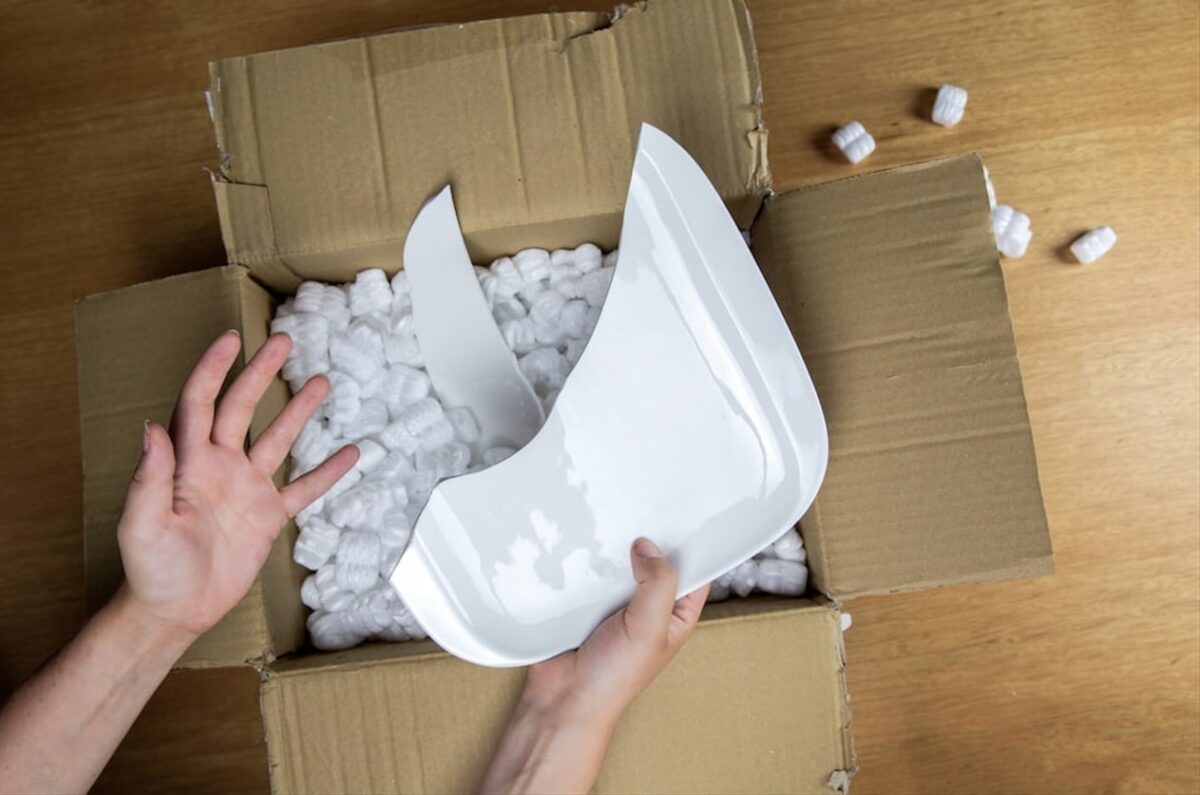
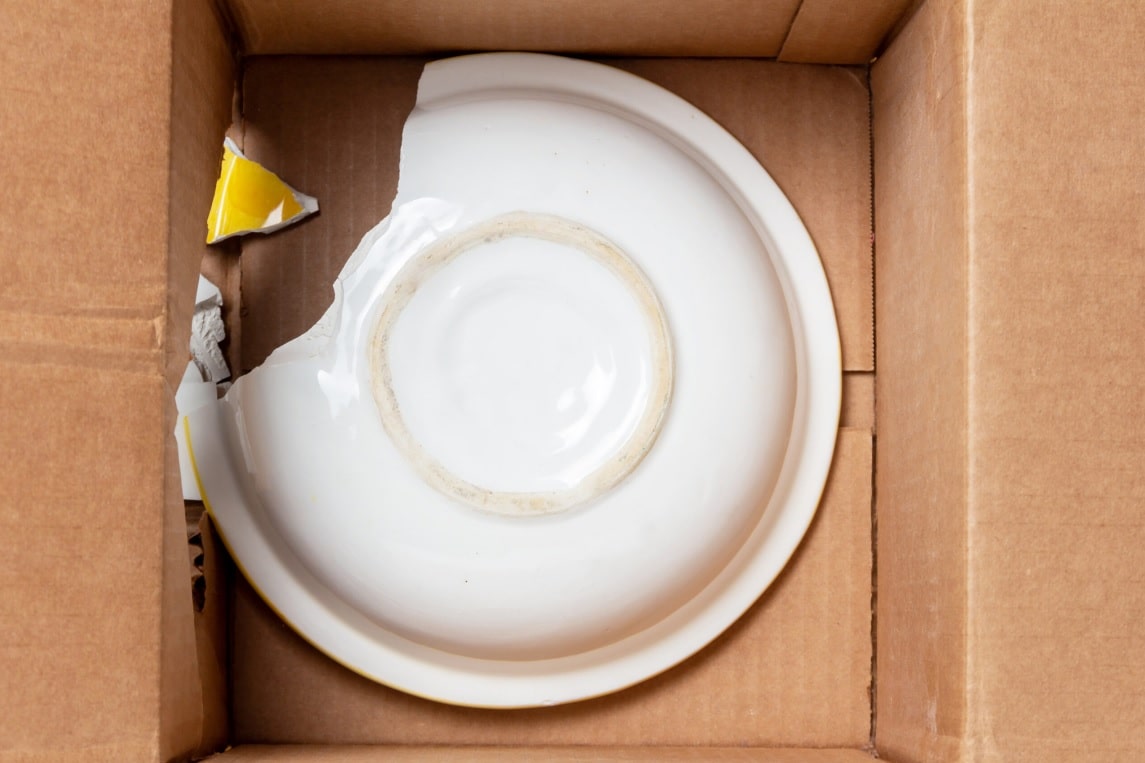
Moving your belongings from your old home to your new one is a difficult process. You can only hope that everything arrives in one piece. While you’ll have better chances of a damage-free move when using professional NJ movers, there’s always the possibility that something could break. For a more stress-free move, you might consider purchasing moving insurance

What is Moving Insurance?

In simple terms, moving insurance is a protection plan for your belongings during a move. You generally have three available options:

  • Released value protection – the most basic coverage protection. 
  • Full value protection – coverage for the full replacement of items
  • Third-party insurance – more comprehensive coverage for a variety of potential issues

All moving companies are required by federal law to have released and full value protection. These aren’t technically ‘insurance’ (as moving companies cannot sell insurance) and instead are simply an amount of liability they will pay if they damage an item during the move, and thus don’t cover every potential problem overs m that might arise. Actual moving insurance is only available through third parties.

Which is Better: Valuation vs. Insurance

There is a fundamental difference between valuation and insurance, and that’s typically how much coverage it provides. Unless you’re getting the cheapest moving insurance on the market, third-party options tend to provide coverage for a wider variety of scenarios than valuation. More importantly, you can only get the valuations from the moving company that you hire. Different companies offer different types of valuations, so make sure to ask about their options before hiring them. With that said, the most common options are:


Types of Moving Insurance and Coverage Comparison

Insurance Type Coverage Limit Cost Estimate Ideal For Notes
Released Value Protection $0.60/lb per item Free Local moves, low-value items Limited coverage, no liability if you pack yourself
Full Value Protection $6/lb per item ~1% of total item value High-value items, long-distance moves Movers repair, replace, or provide cash settlement
Third-Party Insurance Varies by policy $200+ Expensive electronics, artwork, collectibles Covers natural disasters, mold, pests, and transit accidents


Released value protection

Covers $0.60 per pound per item for damaged goods. Best for short-distance/local moves with only a few high-value items. This valuation comes at no cost to you, so it’s a good way to save money if you’re on a tight budget. However, if something of high value does get damaged, you likely will only get a small pittance in return. As well, the coverage might be avoided if you pack your own things.

Full Value Protection

As the name suggests, full value protection provides more coverage than released value. While this will cost extra money, it offers a lot more coverage for your belongings. A common valuation for this option is $6 per pound per item. The movers will provide one of three options for damaged items:

  • Repair it
  • Replace it with something of equal current market value
  • Cash settlement for the current market value of the damaged item

While it can cover higher value items that are worth $100 per pound or more, think fine china or electronics, you will need to inform the movers of each of these items in writing to receive coverage. If you don’t, then they can limit how much liability they take. Plan on using short-term storage? Use the one provided by the moving company. Your items will still be protected by the mover’s valuation as well as their own storage insurance. If you use a third-party storage solution and something gets damaged while in storage, the moving company will not be liable.

How much the coverage costs is dependent on the total market value of all your items. Most companies charge around 1% of the total value. This is perfect if you have a lot of expensive items you need to move and/or if you are moving long distance.

As good as full value protection might be, it still doesn’t cover everything, most notably things that are out of the mover’s control. This includes damages from natural disasters, fires, pests, mildew, mold, and more. And much like released value protection, if you pack the boxes, the movers won’t be held liable for any damage, as the damage could have been caused by your improper packing skills. That’s why you should request the movers to pack all your fragile items, so if they do get damaged during the move, you are not to blame!

Third Party Insurance

Unlike valuations, third-party insurance tends to provide greater coverage. Of course, you’ll need to shop around to find a policy that provides the coverage you want. For the most part, though, you’ll want something that covers damage from:

  • Natural disasters
  • Mechanical and electrical accidents
  • Fires
  • Mold and mildew
  • Insects and pests

Your moving insurance coverage lasts up to 90 days if you need to store your stuff in your movers’ storage option. You can even extend it if necessary. However, if you plan on using self-storage, ask the company if they offer coverage, as many do not. Some policies you might want to consider include:

  • Liability – compensates you for your loss on top released value protection
  • Floater – applies to specific items like jewelry or fine china
  • Special perils contents – applies to damage to specific items, sans breakables
  • Trip transit – threats to your items while movers are in transit, mainly accidents caused by other people, automobile/personnel failure, or natural disasters

Insurance prices vary across the board and are based on the value of all your items, the level of deductible you choose, and the destination. With that said, you can expect to pay at least $200. If this seems too expensive, consider the cost of having to replace your electronics or artwork. 

Types of Moving Insurance and Coverage Comparison

Scenario Released Value Protection Full Value Protection Third-Party Insurance
Electronics damage Minimal coverage Repair, replace, or cash settlement Full replacement + accidental coverage
Fine china breakage Minimal coverage Repair or replace Repair or replace + extra perils
Mold or mildew Not covered Not covered Covered
Natural disaster Not covered Not covered Covered
DIY-packed box was damaged Not covered Not covered Sometimes covered (depends on policy)


Do You Need Moving Insurance?

Ultimately, the decision requires you to take stock of your items and figure out the value of everything. While professional movers do their best to get everything to your new place without a scratch, there’s always the possibility that something might get damaged. If you’re not moving very far or very much, you can probably get away with the released value protection and save yourself a few hundred dollars. However, investing in full valuation protection and/or third-party moving insurance might be the better option if you have a lot of valuable items. And while it might add to your moving budget, it could save you a lot of money should something happen. Of course, the hope is that everything arrives intact at your new home, but you can at least have peace of mind when you purchase insurance that you’ll be able to receive some help.

If you’re ready to make your NJ move, make sure to work with professional NJ movers, as they can provide you with information on their valuations and even recommendations for moving insurance.

FAQ

How long do I have to make an insurance claim?

You want to send in the claim as soon as possible for best results. Still, you generally have around 9 months to send in all the information.

What do I need to file a claim?

You must first provide proof that you own the items that were lost/damaged. If the items are damaged, you must provide proof that they were not damaged beforehand. That means you’ll need to plan ahead and take pictures of everything you own before it gets packed up. You should also create a comprehensive inventory that lists every item you own along with the value.

What happens if I do the move myself?

There may be some moving insurance that covers a DIY move, but in general, moving insurance policies only cover damages done by movers. Check your homeowners or auto insurance policy to see if it offers limited coverage of your belongings. If you use a truck rental company, they might offer insurance that protects the vehicle and your items.

Categories
General

Everything You Need to Know About Moving Insurance

If you’ve ever hired a moving company, you’ve probably heard about moving insurance, but not too many people look into it beyond what might be listed on the site. While technically moving insurance isn’t actually insurance (it’s a valuation), it offers similar protections. So if something gets lost or damaged during the move, the moving company will provide appropriate compensation. So what options are available, and how do you choose the right one for you? The handy guide below can provide you with more information.

Discover the Different Types of Moving Insurance

All registered moving companies must offer two specific kinds of valuations when going over state lines, but most reputable companies will also offer them for local moves. Asking about valuation coverage is a great way to filter out bad or scam companies, as they often won’t have any. If you’re looking for movers, NJ or beyond, make sure to ask about their valuation protection!

Released value protection

This is the most basic coverage most NJ movers offer and comes completely free with your professional move; you just have to ask and contractually agree to the coverage. While it might not come at any extra cost to you, it’s also the most limited option. You will only be reimbursed up to 60 cents per pound per item. That might work fine for cheap items, but you’ll lose a lot of money if something expensive gets damaged, like your TV, art, or fine china. Plus, there’s no option to replace or repair an item when filing a claim. All you get is the fixed rate.

Full value protection

As the name suggests, this option protects your belongings for their full value. While more comprehensive than the released value, you likely will have to pay a premium – around 1-2% of your property’s value –  for this valuation and, in many cases, meet a deductible.

In general, full value protection means the moving company will be liable for the full replacement value of the goods they damaged. It’s up to you to declare what you think they are worth per pound. Many moving companies will have their own policy, and most will have a minimum value you have to claim for your belongings.


Coverage Comparison: Released Value vs Full Value vs Third-Party Insurance

Coverage Type Cost Per Option Compensation Rate Per Pound Minimum Coverage Per Pound Deductible Range Max Payout Example (5,000 lbs)
Released Value Protection Free (included) $0.60 per lb $0.60 per lb None $3,000 max
Full Value Protection (FVP) 1–2% of declared value Full replacement/repair value $4–$6 per lb $250–$1,000 $20,000–$30,000 max
Third-Party Insurance ~$1.25 × weight Covers remaining value Varies by insurer Policy-based $5,000–$50,000+


Some states even have regulations on what the minimum level of coverage is. If you’re not sure, you can always ask the moving or insurance company for information. Typically, the value is anywhere between $4-$6 per pound. So if you are moving 5,000 pounds and you declare the value to be $6 per pound, the maximum amount you can receive is $30,000 if everything is damaged or lost during the move.

When you file a claim, the moving company has three options:

  • Repair the item
  • Replace it with an item of comparable value
  • Make a payout for the cost of repair or the current market value of the item

Be forewarned that opting for full value protection also allows moving companies the right to limit their liability for high-value items like antiques or expensive shoes. If you happen to have a lot of expensive/priceless items, make sure to bring them up to the movers to see if they will be covered or not. You might be able to purchase additional coverage for these high-value items, but you’ll need to pay a higher premium.

Third-Party Insurance for Hassle-Free Local Moving

Not all NJ movers provide a full value protection option, especially if you’re moving locally. In these cases, you can supplement it with a third-party moving insurance policy. Unlike the value protection you get from movers, the coverage you receive from third parties is a form of liability insurance. The movers will still reimburse you for the $0.60 per pound per item if anything gets damaged. However, they will work with the insurer to make up the difference up to the limit of the policy.

How much you pay for third-party insurance depends on how much you’re moving and how far. In general, companies will weigh your property and charge a fee of $1.25 multiplied by the weight. With that said, every company will calculate the cost differently, so make sure you get that information ahead of time so you’re not surprised by the final cost. Speaking of information, you should also ask what the insurance covers. Some policies might only apply to boxes that you haven’t packed yourself.

One important thing to remember is that your homeowners and renters insurance most likely will not cover your belongings during a move. You’ll have to check your moving insurance to read the caveats. In some cases, where you keep the same policy, your items might be covered while they’re in transit, but it’s not guaranteed.

Determining the Best and Most Suitable Options

So now that you know your options, how do you choose the best option? The first step is figuring out the value of all your belongings. That means creating a comprehensive list of everything you own before you move. While you’re at it, take a video or pictures of every object and note any existing damage.


Best Coverage Selection Guide

Scenario Your Belongings’ Estimated Value Total Weight Released Value Coverage Payout Is Released Value Enough? Recommended Protection
Low-value items (Target/IKEA furniture) $3,000 or below 5,000 lbs $3,000 max
(5,000 lbs × $0.60/lb)
Yes Released Value Protection
Mixed items (mid-range furniture + some valuables) $10,000–$40,000 5,000 lbs $3,000 max No Full Value Protection (FVP)
High-value household (designer items, art, antiques) $40,000–$80,000+ 5,000 lbs $3,000 max Definitely Not Full Value Protection + High-Value Item Add-Ons
Local move where movers don’t offer FVP Any value Variable Released value only Rarely enough Third-Party Moving Insurance


As you create your spreadsheet, do a little research on the value of your items. Do you happen to have an expensive shoe collection, rare art, or antiques, or is most of your furniture and decor from Target and Ikea? Once you’ve determined the value of your items, estimate the weight.

From there, you just need to do a little math. Say your belongings weigh a total of 5,000 pounds. The basic released value coverage will only provide a max of $3,000. If you’ve estimated that everything you own is worth $3,000 or less, then there’s no need to get the full value protection.

When considering the full value protection, don’t forget to factor in the cost of the insurance as well as the deductible. If you’ve decided the value of all your belongings is $80,000, then the basic $3,000 coverage won’t cut it. Even with the premium and deductible, it’s still worth it to cover your more expensive items like TVs, furniture, etc.

Protect Your Belongings Easily by Hiring the Best Movers

Having peace of mind during a move is important, especially when you are trusting a moving company with your most precious belongings. That’s why you want to hire NJ movers that provide value protections. That way, if something gets damaged or lost, you’ll receive some compensation.

FAQ

How long do I have to file a claim if something gets damaged?

It depends on the moving company. Generally you have around 9 months to submit your claim. However, it’s better to submit earlier rather than later.

Are there some scenarios that valuation insurance doesn’t cover?

You may not be covered by a moving company's liability or insurance in a few specific scenarios, including when you packed the items yourself, when your items were damaged due to a natural disaster, or when your items were damaged in self-storage facilities that are NOT owned or operated by the moving company.

What other options do I have?

In addition to value protection, you can also ask your moving company if they offer separate liability insurance. If they do, the policy generally covers the insurance amount purchased minus the released value protection. You can also increase your coverage to expanded moving insurance if you believe your household goods are worth more than $6 a pound.