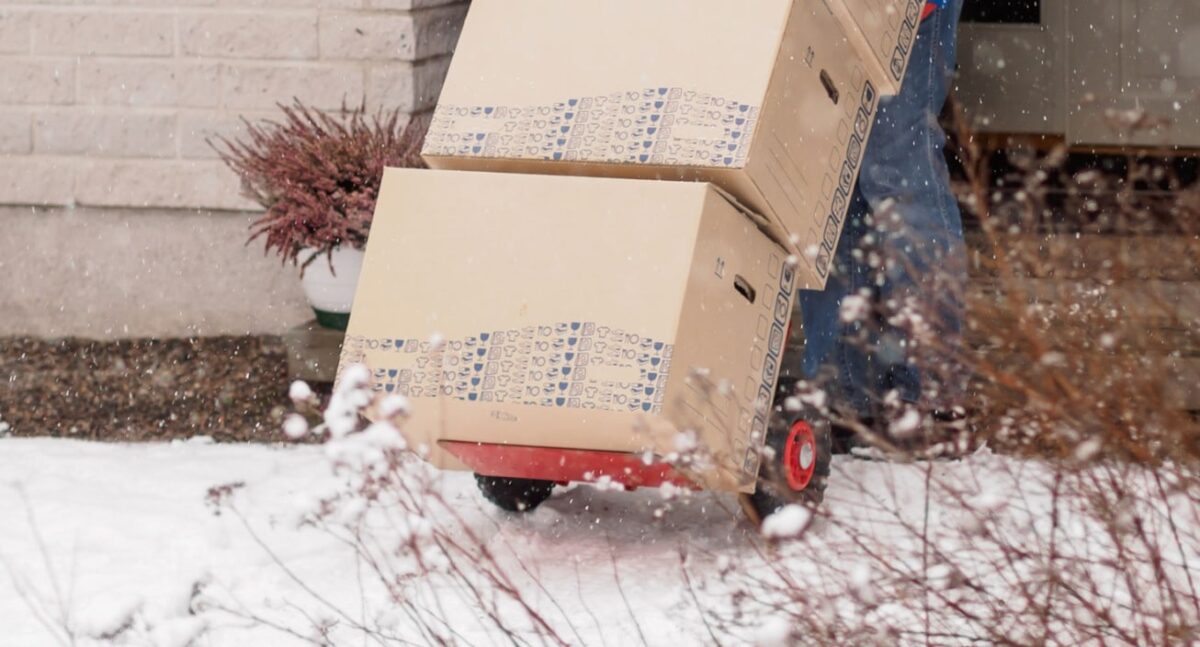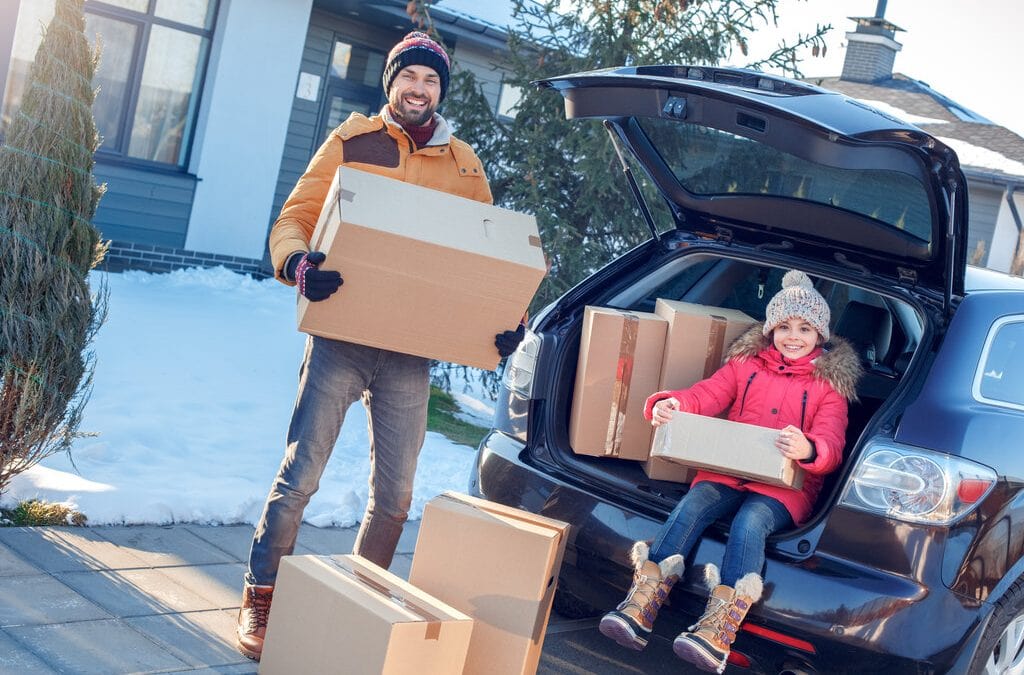
Winters in New Jersey aren’t just a great time to go skiing and snowboarding; they’re also good for moving…so long as you plan properly. Relocating when it’s cold, dark, and maybe snowing might not seem like the best idea, but there are a lot of benefits to moving during the winter. Of course, that doesn’t mean there aren’t any drawbacks. However, it’s up to you to decide whether the pros outweigh the cons!
The Most Common Pros of Moving During Winter
Movers Are Free Than Other Times
40 million Americans move every year, with around 80 percent of these moves occurring between April and September, with peak months being July, August, and September. With so many people moving at the same time, you’ll have a lot more competition when it comes to hiring professional moving companies. What does that mean for you? You’ll have to start researching and booking your moving company at least a month in advance if you want to find one on your exact move date.
NJ movers are significantly less busy during the winter months and will have more flexibility on dates and times. If you’re making a long-distance move, you might find that your belongings will arrive sooner than if you moved during the summer months because moving companies have lighter schedules. You can also expect extra TLC from movers as they’ll have a less hectic schedule and can give you and your move the attention it deserves.
You’ll Move at a Lower Cost
Tied into the first point, since there are fewer moving requests in the winter, many moving companies will offer reduced moving rates to attract customers. In some cases, you can save as much as 30 percent from peak prices! Take your time and shop around to see what kind of promotions different movers offer. If they don’t have one, ask them if they can provide some kind of discount. Movers are more willing to negotiate, especially if you already have other offers on hand.
Moving companies aren’t the only things that are cheaper during the winter. Rents and even home prices tend to dip during the colder months as there’s lower demand. Landlords will be more willing to negotiate, and even houses tend to sell for less between October and January and February. There is a lower supply during these months, but there’s also less competition for the units and houses that are available, so you should be able to spend a bit more time finding your new home.
Winter Moving Cost Comparison Chart (NJ)
| Cost Factor | Summer (Peak Season) | Winter (Off-Peak Season) | Cost Difference |
|---|---|---|---|
| Average Moving Cost (2–3 Bedroom) | $1,800 – $2,600 | $1,350 – $1,950 | Save $400–$700 in winter |
| Percentage Discounts (NJ Market) | 0–10% (rare) | 15–30% off typical rates | Winter offers up to 3× higher discounts |
| Hourly Labor Rates (2 Movers) | $150 – $190/hr | $110 – $150/hr | Winter hourly rates drop by $40–$50 |
| Local Move (Within NJ) | $550 – $1,200 | $400 – $900 | 10–25% cheaper in winter |
| Long-Distance Move (100–300 Miles) | $2,500 – $5,000+ | $1,900 – $3,900+ | Savings of $600–$1,200+ |
Temperatures Are Cooler
Okay, so that might be a bit of an understatement depending on what month you decide to move. But as long as it isn’t in the single digits, moving in the colder weather is better for you. For one, there are fewer chances of you or the movers overheating. Imagine moving boxes and furniture on a 90-degree day with 85 percent humidity, and that’s what you would likely be dealing with during the summer months. The lower temperatures also mean you’ll be less prone to dehydration or exhaustion, which means you’ll have more energy to unpack once you get into your new place.
You’re not the only thing that does better in cooler temperatures. Your possessions also won’t have to deal with the summer heat. Things like candles, soap, records, and your precious electronics won’t melt. Wooden furniture also does better in the winter months as the air is drier, leading to less swelling and warping.
Not Too Much Traffic
Unless you decide to move during the holidays, the roads tend to be less packed than during the height of the summer travel season. Of course, there will always be people on the road for one reason or another, and there are plenty of people who love winter sports, but overall, you can expect less congestion. That means faster relocation for you, whether you’re doing a DIY move or hiring professionals.
Most Common Disadvantages of Moving During the Winter
Frigid Winter Conditions
This is a no-brainer, but the weather in the winter can be brutal. New Jersey has a continental climate, which means it has moderately cold and snowy winters. Different parts of the state get different amounts of snow, with South Jersey averaging around 18 inches while North Jersey gets around 34 inches.
More importantly, winter weather can lead to whiteouts, icy roads, and generally unsafe driving conditions. Most experienced NJ movers should know how to handle the truck safely during winter weather. However, it might mean your move takes longer as they will need to travel much more slowly for safety’s sake.
Not Getting Enough Daylight
Moving in the dark is not ideal, but depending on the size and complexity of the move, it might be something you can’t avoid. Whether you’re moving yourself or hiring professional movers, you should plan to start as early in the day as possible. Even if you run into some mishaps, you can hopefully still get everything in your new house before it gets completely dark.
Moving in the dark isn’t just an inconvenience; it’s also a lot more dangerous. Temperatures drop significantly once the sun is gone during the winter, which can lead to ice forming relatively quickly on sidewalks and roads, meaning more chances for accidents. Even without the ice, moving in the dark can cause plenty of accidents as you’re not able to see clearly in front of you.
Injury + Accident Risk Comparison: Winter vs Summer Moves
| Risk Factor | Winter Move | Summer Move | Difference |
|---|---|---|---|
| Slip-and-Fall Probability | +42% increased risk | Baseline (0%) | Winter moves have a 42% higher slip risk |
| Average ER Visits From Moving Injuries | ≈ 5,800/month (Dec–Feb) | ≈ 3,700/month (Jun–Aug) | Winter has 57% more ER visits |
| % Increase in Moving Delays | 25–40% likelihood | 5–12% likelihood | Winter delays are up to 4× higher |
| Common Injury Types (Annual Frequency) | • Slip injuries: 18,000+ • Back strains: 12,500+ • Shoulder injuries: 7,400+ • Frostbite/Exposure: 1,300+ |
• Heat exhaustion: 9,800+ • Back strains: 10,900+ • Hand/arm injuries: 6,200+ • Dehydration cases: 4,500+ |
Slip injuries occur 3× more in winter |
Absolutely Lowest Temperatures
This should go without saying, but winters tend to be cold. While New Jersey temperatures rarely drop to sub-zero temperatures, it doesn’t need to get that cold to have a negative effect on your belongings. Much like some items don’t hold up in high temperatures, there are some items that cannot handle the cold. For example, items like instruments, china, and plants are extremely sensitive to the cold. In order to prevent potential damage, you will want to take the time to provide extra protection. And while electronics do better in cold than heat, very cold temperatures still aren’t good for their lifespan, so make sure you pack them properly.
The cold also affects your body! As the temperature drops, the thickness in your joint fluid increases, making your joints feel stiffer and muscles harder to move. This makes it a lot harder to move things quickly. Even professional movers find it difficult to move in the cold. On top of that, you’re likely wearing a bulky jacket, gloves, etc. All of which impede your freedom of movement and, more importantly, hand grip.
Need for Extra Preparation
Sure, the summer months bring sweltering temperatures and summer thunderstorms, but there’s a lot more you need to think about if you move during the winter months. There’s obviously snow and ice to deal with, not just outside, but inside your home if you don’t put down some mats or plastic for the movers. And of course, you need to make sure you have sturdy enough boxes to withstand getting wet.
On top of that, if you’re moving into a house, you really have to make sure the heat is working properly when you move in. There’s nothing worse than being surrounded by boxes in a freezing house. Plus, depending on the actual temperature, you might have to run the heat to keep the pipes warm so they don’t freeze over.
Ready to Make Your Winter Move?
Moving any time of the year is not easy. However, when you have a reliable moving company, they can help walk you through the process and make sure everything gets delivered without a hitch. If you’re ready to move, make sure to call NJ Great Movers for a free estimate!
FAQ
Will movers help me move on Christmas Day?
That depends on the moving company. Some places are closed on Christmas while others are open. Ask ahead of time, don’t just assume they will be open.
Will movers cancel if there’s a blizzard on moving day?
For the most part, no. Movers are used to working in inclement weather. With that said, you should check the weather forecast and if the blizzard looks severe, call the moving company the night before to make sure they plan on working. Even if they do agree to show, you should expect the work to take a bit longer.
How do I prep my home for a winter move?
Cover the floors with a plastic tarp so they don’t get dirty. If you own your home, make sure to shovel and salt the driveway and have a clear path to the front door. Finally, make sure your house is nice and warm!