If you’re a garden enthusiast, chances are you’ve spent months or even years cultivating your garden. It’s not easy nor cheap, so why should you leave your beloved plants behind when you move? The answer is that you don’t have to. While it’s always risky to try and move your garden, with some careful planning, your plants can thrive in your new home, so long as you have the right conditions.
If you follow the tips below, you should be able to successfully move your garden plants to your new NJ home.
Build a Plan and Move Ahead Confidently
Are you moving out of a rented apartment or a home? If you’re renting, you will probably have to return the property to the same state as when you moved in. That means you can dig up and take everything you planted. Just make sure you don’t accidentally take anything that was there before you moved in!
If you’re selling your home, consider digging up all the plants that have sentimental value to you before the house is on the market. Of course, it’s all too easy to forget this step, especially considering everything else you need to consider when moving homes. Should that happen, you should technically leave any trees and perennials in your home. After all, the buyer expects the main plants of the property when making the purchase.
Best Time to Move Plants by Season
| # | Season | Ideal Time of Day | Notes | Best Plants to Move |
|---|---|---|---|---|
| 1 | Spring | Early Morning | Cool temperatures reduce transplant stress | Hardy perennials, new vegetables |
| 2 | Summer | Early Morning | Avoid midday heat; roots dry out faster | Heat-tolerant plants, hardy shrubs |
| 3 | Fall | Late Morning | Mild weather helps roots settle before winter | Rose bushes, lavender, shrubs |
| 4 | Winter | Midday | Avoid frost; soil may be frozen | Cold-hardy shrubs, dormant plants |
Still, if you decide you do want to take some rose bushes or plants, tell the real estate agent and buyer as soon as possible. Chances are, they’ll be understanding. Just make sure to leave the garden tidy after you dig up. As far as your vegetables are concerned, you don’t have to notify the buyer, as crops are considered personal property.
There might be some instances where you can’t take certain plants with you. Some states have restrictions on what plants you can bring from other areas. Always double-check state guidelines beforehand! Another reason you might not be able to take your plants with you is that they are too well-established. You might be able to get away with moving it during their dormant season, but if you’re moving during the summer, you might be out of luck, as things like older lavender and rosemary plants won’t transport well during their growing phase.
Water Your Plants Before Uprooting Them
Dry plants will be at a major disadvantage when it comes to dealing with the stress of a move. You want to make sure the plant and roots have adequate moisture on moving day, so make sure to give them a good soak the night before. That doesn’t mean drowning the plants in water, but you do want to water them more than you usually do.
If you know when you’re going to move, you should make it a habit to regularly deep soak your plants in the weeks leading up to your move. After all, a once-a-week soak means healthier plants. When you finally uproot your plant, avoid exposing the roots to too much heat and direct sunlight. Ideally, you’ll want to move while the plants are dormant. However, if you need to move during the warmer months, you should make sure to dig them up earlier in the day when it’s cooler and make sure the roots are never left in full sunlight.
Plan Ahead: Mark Where Your Plants Will Go in Your New Garden
Hopefully, you have access to your new home before moving day. Make sure to visit at least a couple of times to mark out the new location(s) for your garden. While there, be sure to have spots ready for each of your plants. The easiest way to do this is by labelling the different areas to avoid any confusion once you’re ready to replant.
Plant Digging Depth Guidelines
| # | Plant Type | Recommended Digging Depth | Root Ball Width Needed | Notes |
|---|---|---|---|---|
| 1 | Small Annuals | 2–3 inches | 4–6 inches | Very delicate roots; move quickly |
| 2 | Medium Perennials | 6–8 inches | 8–12 inches | Keep soil intact around roots |
| 3 | Shrubs (Small–Medium) | 10–12 inches | 12–18 inches | Dig wider rather than deeper |
| 4 | Rose Bushes | 12–15 inches | 15–20 inches | Keep as much root ball as possible |
| 5 | Herbs (Lavender, Rosemary) | 8–10 inches | 10–14 inches | Move during the dormant season for the best results |
| 6 | Young Trees (1–2 years) | 15–18 inches | 20–24 inches | Stake the tree after replanting to stabilise |
To make the transfer even better, prepare the garden beforehand. That means removing any weeds, adding a nice layer of soil/compost/fertilizer, and digging out spots for your plants. You should also douse the new garden with some water before you transfer the plant to avoid your plant going into shock.
If you’re not sure where to put your plants, dig a few trenches and create a makeshift nursery. You can also move some of your smaller plants into a pot temporarily to see where in your yard they might thrive.
It’s Best to Move Your Garden Plants Yourself
Professional movers might be a great option for moving your furniture and boxes, but they’re not a great option for moving plants. Plants are too fragile and will likely suffer from damage during a move. Most movers will not be liable for any damages done to a plant during a move. Some won’t even allow them on their trucks. Always ask about their rules on plants before you hire a moving company, so you’re not caught by surprise.
Even if movers do allow plants on their trucks, it might make sense to move the plants yourself. Get some sturdy boxes and line them with plastic, and place your plants inside. Stuff bubble wrap or other cushioning to remove any gaps between the pot and the box to ensure it doesn’t shift during the move. After that, bag or wrap the plants in plastic and poke a few holes in the bag so the plants can breathe.
Quickly Dig and Replant Your Plants the Right Way
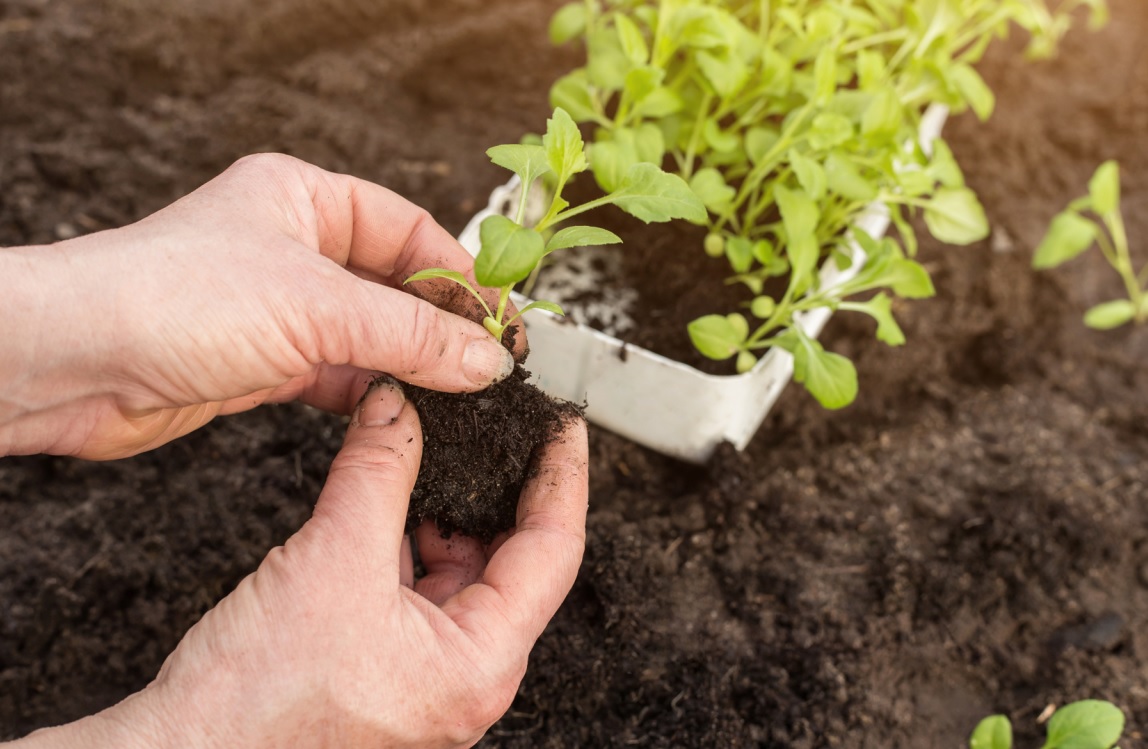
To avoid placing any extra stress on your plant, it’s important to dig it up properly. Do not dig into the base of the plant, as you could accidentally chop off healthy roots. Instead, use a small hand shovel and dig a ring around the main part of the plant that goes at least 2-3 inches deep for smaller plants and 6 inches deep for larger ones. Even if you give yourself a wide enough berth, you’ll end up cutting some roots, but as long as they are clean cuts, it should be okay.
Once you’ve dug the ring, use a larger shovel to pop the plants out of place. Don’t shake off any soil, as this will protect the plant during transport! Once you’ve removed all your plants, place them in a pot or sack for safe moving.
After you’ve uprooted your plants, you should get them into your new garden as soon as possible. Ideally, you should do this right after you’ve dug them up. If that’s not possible, place them in a temporary home, but don’t leave them out of the ground for too long, as the longer the plant is out, the longer it will take to set. Once they are in the ground, top the roots off with some soil and then water the plants to reduce stress.
Even if you have plants that prefer full sun, you should provide some shade during the first few days, as it will help the plant adapt to its new conditions. Keep an eye on the plants and see how the difference in soil, climate, etc. affects the plant’s health. If you see that they are not adjusting well, try and look for a local nursery for some help.
Create a Solid Plan for Moving Your Plants
Moving your favourite garden plants to your new NJ home is a challenge, but it could save you a lot of money and time if done properly. With that said, there’s still an element of luck to moving plants, so even if you do everything right, your plants still might not thrive. However, the steps above can give you a better chance of success.
FAQ
Does NJ Great Movers move plants?
We can move plants, but we do not cover any damages done to a plant if we do move it.
What plants will have the best chance of surviving a transplant?
Plants that have hardy roots will have a better chance of surviving. Others such as snapdragons, nasturtiums, spinach, carrots, etc. don't’ transplant well due to their delicate root systems.
What plants can I not bring to New Jersey?