Categories
General

How to Choose a Good Long-Distance Mover

The days when people live and die in the same town are long gone. The average person in the United States moves around 11 times in their life. Sure, all of these could be local moves, but around 40 percent of adult Americans reside in a state they were not born in. Although people move for a variety of reasons, work-related ones tend to top the list, whether people are looking for new opportunities or were transferred to a new location.

If you’re making a long-distance move, it might feel overwhelming, especially when it comes to finding the right long-distance movers. There are so many potential pitfalls and scams out there that it might almost seem easier to do it all yourself. However, if you know what to look out for, you can find trustworthy and affordable long-distance movers.

Confirm Your Dates and Destination

Before you hire long-distance movers, you first need some sort of schedule and a destination. Even if you haven’t signed a lease yet, you should at least know the town or city you’re moving to. Dates are also an important part of the equation. Do you have a specific day you need to move out? Maybe you’re starting a new job or enrolling in school. You should take these dates into account when you are planning your move. After all, you want to make sure all of your belongings arrive before you start your new life!

With that said, you don’t need to have your entire schedule sorted out, although it will make it easier for you and the movers. Still, as long as you have some general idea of when and where you want to move, it should make long-distance moving a bit easier. Of course, you will need to firm up all this information once you decide to hire professional long-distance movers, so don’t take too long to make a decision.

Take Note of Their Reputation

The best long-distance moving companies will have an excellent reputation among current and former customers. An easy way to see how reputable your cross-country movers are is to read online reviews about their services on Yelp, Google, and the Better Business Bureau. If you notice a lot of negative reviews, you should definitely avoid them. With that said, you shouldn’t trust online reviews 100 percent of the time. There have been plenty of exposes showing how companies game the system to either take down negative reviews or even pay for positive reviews.


Reputation & Reviews Analyzer Table

Platform Avg Star Rating Movers Should Have Red Flag Review % Response Rate (%) Credibility Score (1–10)
Google Reviews 4.2 – 4.8 8–12% 75–90% 9
Yelp 4.0 – 4.5 12–18% 60–75% 8
Better Business Bureau (BBB) A–A+ 5–10% 80–95% 10
Facebook 4.3 – 4.8 10–15% 70–85% 8
Trustpilot 4.0 – 4.6 15–20% 65–80% 7


Do you know someone who has recently moved? Ask them how their move went. Personal referrals, whether from friends, family, or coworkers, are a great way to find trustworthy long-distance movers. If a family member or friend used a moving service you are considering, get as much detail as possible to see if they are the right fit for you.

Confirm the Reliability of the Moving Company

All long-distance moving companies must be licensed by the US Department of Transportation. A quick check on the USDOT website will give you access to the record of each licensed long-distance mover, along with their USDOT number. If you don’t find them, chances are the company is either operating illegally or is a scam. The top interstate movers will list their USDOT number directly on their website so you can easily search for them. You can then see if they are licensed and if their license is still active.

Another excellent site to check is the Better Business Bureau. Top-rated long-distance moving companies will have proper BBB accreditation. While not required, this extra accreditation does provide an extra level of trust between you and your soon-to-be movers, since if they do drop the ball, you can file a complaint and have the BBB find a resolution to the problem.

Ensure It Fits Your Budget

It’s all too easy to go with the most affordable long-distance movers. However, what might seem like less money upfront could actually cost you more down the road as you deal with lost or broken items, hidden charges, and more. As tempting as it might be, price alone should not be the deciding factor when picking a moving company, and that’s true for local moves as well!


Cost Breakdown of a Typical Long-Distance Move (By Distance)

Distance Range Average Cost ($) Cost per Mile ($) Fuel Surcharge (%) Typical Delivery Window (Days)
100–250 miles $1,200 – $2,000 $3.50 – $4.20 5–8% 1–2 days
250–500 miles $2,000 – $3,500 $3.00 – $3.80 6–10% 2–4 days
500–1,000 miles $3,200 – $5,500 $2.60 – $3.40 8–12% 3–6 days
1,000–1,500 miles $4,500 – $7,500 $2.20 – $3.10 10–15% 4–8 days
1,500+ miles $6,000 – $10,000+ $2.00 – $2.80 12–18% 7–14 days


Of course, that doesn’t mean you have to pay an exorbitant amount of money either. There are affordable long-distance movers available, but they might look more expensive when you initially compare quotes. So take a good look at what services each mover provides along with their rates. Don’t be afraid to call each company and get clarification on the quote. Some questions to ask include:

  • Is this a binding or non-binding estimate? A binding estimate is the best option, as this means the price is guaranteed and not subject to change even if the final weight of your move is more or less than estimated. Keep in mind that the estimate only accounts for the transportation portion. If your estimate was based on self-packing, but on move day, when the moving company packs everything, you will have to pay for the additional service!
  • Are there any additional fees that are not listed on this estimate? Many shady companies tack on extra fees that they do not list out in the initial quote for stairs, long-carry, gas, tolls, etc. You want to work with companies that are as transparent as possible, so there are no surprises after you arrive at your new home.

Trust Your Guts on Which Company Is Reliable

While all of the tips above can definitely help you weed out the obvious scammers, moving scams have become more sophisticated over the years. If you feel that something is off about some long-distance movers when you speak to them over the phone, trust your gut! Chances are, your brain noticed some subtle red flags.

Of course, there are also times when you have several great options, and the research didn’t point to any outright winners. In this case, you should choose the one that you think will be the best one for you.

Hire Professional Movers for an Easy Move

Making a long-distance move isn’t an easy feat, but when you hire the right cross-country movers, it won’t be nearly as stressful. While it does require some planning and research, you’ll be happy you spent the time finding the right movers for your needs. If you’re in the market for long-distance movers, why not give us a call? We can offer a free quote based on the information you provide and, once hired, we’ll be with you every step of the way until you’re in your new home.

Categories
General

5 Exciting and Fun Things to Do Before Moving

Even when you’re moving into your dream house, the actual moving process can be grueling and emotional. The months before a move are busy, even when you hire professional movers and are super organized. While moving can be stressful, that doesn’t mean you can’t have a little fun to make the process a bit easier. If you need a break, the following activities can help refresh your batteries so you can get back to moving with gusto.

Throw a Party Before Moving to a New City

Whether you’re moving to a new city or a new state, organizing a going-away party can be a nice distraction from all the packing and planning. Sure, it’s not particularly fun to say goodbye to good friends and neighbors, but a party is a great opportunity to see everyone in one place and spend time with the people who matter.

You don’t need additional stress during your move, so plan to make this party very informal. Reach out to your closest friends and neighbors and have a laid-back get-together on a Saturday or Sunday afternoon. Make sure you have some drinks and snacks, but you can also ask guests to bring something as well. At the end of the party, make sure you exchange your new contact information. Heck, you can even mix business with pleasure and have the moving-away part after your friends have helped you pack for the day. If you’re hiring movers, you can encourage your guests to take some items that you don’t plan on bringing with you.

Visit Your New and Old Places

Unless you really hated your area, chances are there are a few spots in town that you love. Maybe it’s a cozy diner, a small museum, or a quiet green area in a park. Wherever it is, take some time out of your hectic moving plans to enjoy your neighborhood for the last time. Don’t rush yourself either! Take your time and truly relish the experience. That might mean clearing up a day or two in your busy moving schedule, but it will be worth it!


Old Home Photo Memory Guide

Room # of Photos Recommended Lighting Needed (1–5) Emotional Importance Score (1–10) Optional Video Notes
Living Room 8–12 4 10 Record a slow walk-through capturing furniture placement and décor.
Kitchen 6–10 3 9 Take a video of cabinets and pantry—it captures daily memories.
Primary Bedroom 5–8 3 8 Include the view from the bed and any personal décor.
Kids’ Bedroom 6–10 4 10 Capture shelves, toys, growth charts, and art on walls.
Bathroom 3–5 2 6 A quick video of the cabinets and mirror area is enough.
Hallway 4–6 2 7 Record wall art, family photos, and organizers.
Backyard / Balcony 5–9 5 9 Wide-angle video works best—capture greenery or city view.


If your schedules align, take one or two friends on a greatest hits ‘tour’ and visit your favorite places. You could even take a walk down memory lane and revisit some of your old haunts. If that’s not your style, why not be a tourist in your town for the day? If you live somewhere like NYC, chances are you probably avoid tourist locations like the plague. Now is the time to take in all the attractions and enjoy them! It’s a great way to recharge your battery for the tough relocation ahead.

Capture Beautiful Memories Before You Leave

Leaving your old home can be an emotional experience, especially if you have a lot of good memories in it. It’s hard on everyone, but doubly so for children, as they have come to associate the house with comfort, love, and warmth. Fortunately, your upcoming move doesn’t have to be a somber affair as long as you believe your new home will be even better.

Of course, that doesn’t mean you have to forget all about your old house. If anything, to make the transition easier, you should capture some memories before you leave. Maybe that means making a farewell video where each member of the family tells their favorite story or memory linked to a particular room. Avoid scripted takes as you want authenticity!

If you’re not into video, take some time to take some pictures as you move out. Later on, you can arrange these pictures, along with others you have taken during your stay at your old house, into a photo album. If you have kids, let them contribute to the album as well, so everyone will have fond memories to look back on.

Speaking of memories, if you can bring a memento from your old place to your new one. This might be a bit harder if you live in a rental, as you could be charged for not leaving the apartment in good condition. Choose something that is meaningful and either add it to the photo album/scrapbook or add it to your new home. This way, every time you look at the memento, you’ll be reminded of good memories.

Reward Yourself  in a Way You Choose

If you hire trustworthy movers, hopefully your residential move will be perfect from start to finish. Many people will wait until after the move to treat themselves, but there’s no rule saying you can’t take a much-needed pre-move break. In fact, it’s a great way to keep your motivation high, especially during the height of moving.

It might be tempting to try and push through all the tedious packing and organizing, but take some time to relax. Maybe that means catching a movie with some friends, going out for a romantic dinner with your significant other, or attending a concert. If you’re moving alone, it could be as simple as taking a luxurious bath or relaxing in bed watching your favorite show. Whatever it is, you want to choose an activity that will recharge your batteries. The point is to do something you love and enjoy. You’ll be less stressed the next day, and you might even be able to get everything done faster by taking a break.

Create a Proven Floor Plan to Avoid Mistakes

When moving into a new place, you have the opportunity to truly transform it into the home of your dreams. Sure, there might be some limitations, especially if you decide to move into an apartment. However, there are still plenty of ways you can unleash your creativity and create a cozy dwelling that reflects your personality while also guaranteeing maximum comfort. And you can start planning all of this out before you even move! In fact, you should create a floor plan before you move, that way you can avoid costly mistakes such as:

  • Incorrect furniture size – there’s no point in spending money moving heavy furniture if it won’t fit in your new home. A detailed floor plan will tell you which pieces you can keep and which ones you can donate or throw away.
  • Poor furniture placement – you’ll have to know the exact dimensions of your house and furniture for this, but it’s well worth the effort, as you can figure out where to place each item to maximize open areas and traffic flow
  • Rearranging furniture after move-in – why spend time rearranging furniture after you move in when you can simply have the movers place items exactly where you want them? With a floor plan, you can tell the movers exactly where you want each item to go. Not only does this save you time, but it also reduces the chances of you or loved ones getting injured because you’re trying to move heavy items.

In order for the floor plan to work as intended, you need exact measurements of everything. Make sure to include quirky wall layouts such as round sections or slanted walls. Also, make sure to note the location of all windows, doors, and doorways, as you don’t want to block any of these areas with furniture. While you’re at it, you should also look for the location of electric outlets, ceiling lights, and heating vents on your floor plan. When you have all the information, draw the rooms to scale. It usually works best when you use graph paper and represent one foot with two squares on the graph paper.


Moving Mistake Prevention Table

Pre-Move Action Mistake Prevented Cost Risk ($) Difficulty Level (1–5) Time Required (min) Prevention Score (1–10)
Create a detailed floor plan Moving furniture that doesn’t fit $200–$800 3 60–120 9
Measure doorways, hallways & furniture Blocked entry, damage during move $150–$500 2 30–45 8
Declutter & donate unused items Overpacking & higher moving costs $100–$1,000 2 45–90 9
Label boxes by room & fragility Lost items, damage during transport $50–$300 1 20–40 7
Create an essentials box for move-in day Buying duplicate items last minute $30–$150 1 15–25 8
Confirm mover details (date, time, insurance) Schedule mix-ups & uninsured damages $300–$2,500 1 10–20 10
Take photos of valuable items Insurance claim issues $100–$2,000+ 1 10–15 8
Set up utilities before move-in No electricity, WiFi, or water on day one $50–$200 2 15–30 9


Once that’s done, measure all of your furniture and decide which ones you want to move into your new home, and see whether they will fit. Draw the outlines of your furniture onto another piece of graph paper using the same scaling method as you did for the actual house/apartment. From there, cut the furniture shapes from the paper and start arranging them on your floor plan. Pay special attention to the flow of traffic and how you can break up a large room into different ‘sections.’ Sure, you can always rearrange furniture later on, but a good floor plan can save you time and reduce unnecessary stress. Plus, you can keep the plan for future use if you ever replace your old furniture.

Hire the Best Professional NJ Movers

The moving process can be grueling and stressful, but these tips can hopefully help make it a little more bearable. Another great way to reduce stress is to hire professional movers who can help load and unload your belongings and even arrange your furniture based on your specifications. Working with the pros means you don’t have to worry about broken items or injuries. And that’s a great way to start a new chapter in your life!

Categories
Moving Tips

How to Organize Your Furniture in Your New Home After a NJ Move

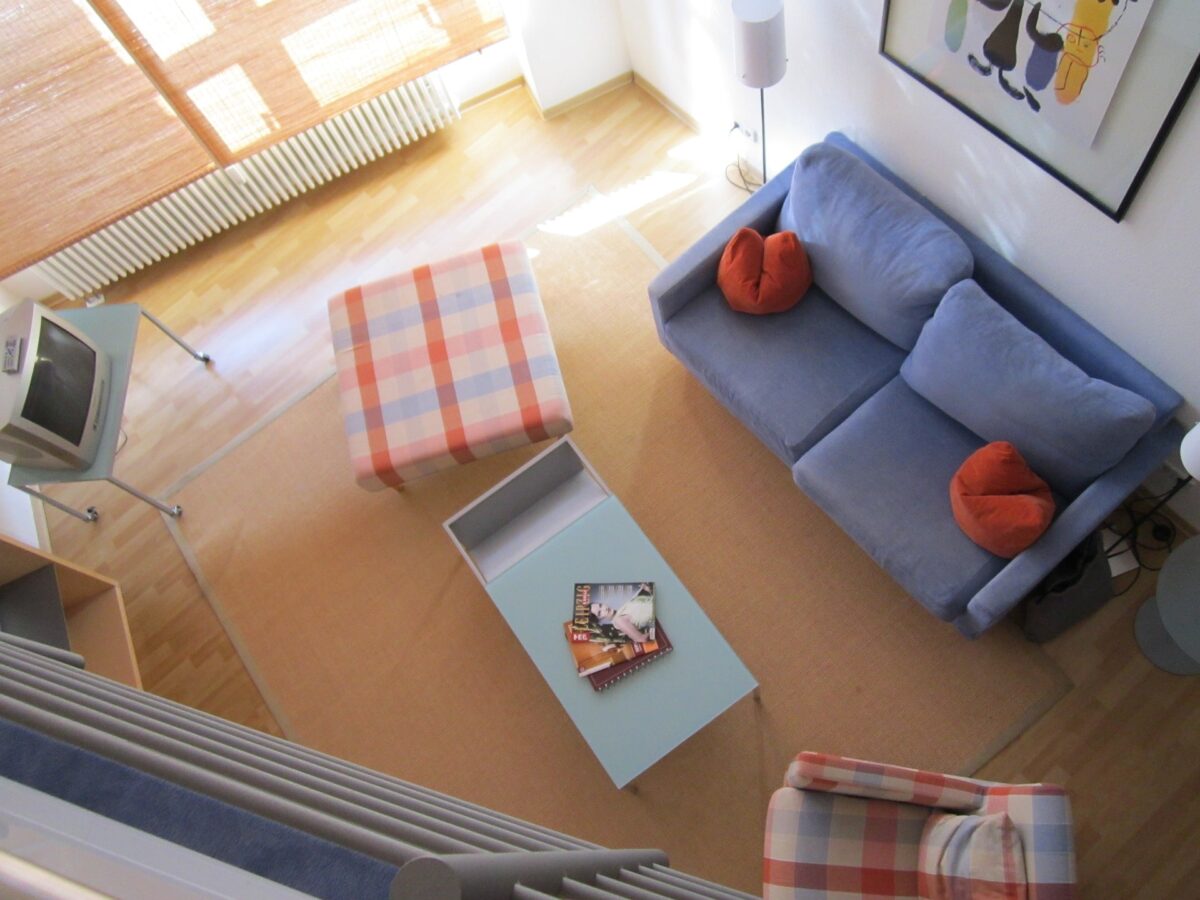
So you’ve finally found your perfect NJ home, and you’re ready to move. While moving can be stressful, it’s also exciting, especially if you enjoy interior decorating. With a new place, you’re starting with a blank slate, even if you decided to move furniture from your old place. Even if you don’t enjoy arranging and setting up furniture, the helpful guide below can help you get your bearings and set everything up in no time.

Evaluate the Space: Create Room Patterns and Focal Points

A crucial step when planning the arrangement of furniture in your new place is to carefully assess what you’re working with. In order to do so, you should:

  • Clear the space – remove everything from the room, including boxes, scattered furniture, and other objects that will prevent you from seeing the true view of the area. While you might have seen the empty room when you were on the search, it’s all too easy to forget the exact dimensions and things like awkward corners and curved walls.
  • Think About the Room’s Purpose – Even if you’re living in a studio apartment, it’s important to understand the function of a specific area. You can easily use your furniture to set up boundaries to create ‘rooms.’ Of course, it’s easier if you live in a place that has more than one room! With that said, the process is the same. Before you start placing your furniture willy-nilly, you should think about the purpose and function of the room. This might be an obvious step, but it’s easy to lose sight of, especially after a big move.
  • Consider traffic patterns and focal points – A focal point is something that draws the eye and helps balance out the space. This could be a piece of furniture or some other kind of decor. For example, a fireplace acts as a natural focal point, as do picture windows. If you don’t have a natural focal point, you can create your own by using drapes, artwork, or furniture. Also, pay close attention to the location of doors, windows, and awkward areas. You definitely don’t want to block windows or the natural path between rooms.

Optimal Room Layout Dimensions for Common Furniture

Furniture Type Ideal Distance from Wall (inches) Minimum Walking Clearance (inches) Recommended Room Use Layout Tip
Sofa 6–12 24–36 Living Room Avoid pushing fully against walls to create depth
Coffee Table N/A 18–24 Living Room Keep within arm’s reach of seating
Bed (Queen) 6–12 24–36 Bedroom Leave space for nightstands and drawers
Dining Table 12–24 36–48 Dining Room Allow chair pull-out space for easy movement
Bookshelf 2–6 24 Living Room / Office Anchor tall units to the wall for safety
TV Stand 2–6 30–36 Living Room Center with seating for best viewing angles


Strategize with Furniture Layout Tools for Better Arrangements

Now that you’ve had a good look at each room, it’s time to consider different furniture arrangements. Rather than expend a ton of energy moving these bulky items multiple times, you can draft up potential ideas beforehand. This will require measuring the exact dimensions of each room as well as your furniture. Otherwise, you might decide to place a couch in the corner, but realize it won’t actually fit, wasting precious time.

If you took measurements beforehand, you can leisurely plan each room’s layout weeks or months before your move. If you didn’t have the time, you can still do so after the move! Don’t skip this step, as a good layout can change a room from being calming to stressful. If you need some help visualizing room placement, you can:

  • Use free online tools  – Sites like Floor Planner allow you to place furniture, change the color scheme of the room, and more, making it much easier to figure out a good layout.
  • Create paper replicas – If you have a difficult space to work with, you might want to experiment in the space with paper replicas of your furniture pieces. You don’t need to get anything fancy; plain brown paper or cardboard should do the trick. You will need measurements of each piece of furniture, which you can trace onto the paper and cut out. Label each paper and then start arranging. If you don’t want to waste all that brown paper, you can create a miniature version of your room and furniture. Just make sure everything is scaled properly!

Formulate a New Balanced Layout

Even if you’re not an expert home decorator, you’ve probably been to a house where something just doesn’t feel ‘right’ about a particular room. Maybe it’s too cramped, or everything looks mismatched. Either way, if you follow the tips below, you can achieve a practical and balanced layout:

  • If you have heavy furniture, balance it out with other large objects or groupings of smaller items.
  • Don’t put all the furniture against the wall. It might be tempting, as it keeps it out of the way, but that leads to a large empty space in the middle of the room. Instead, place some in the middle, as it will create depth and interest
  • Consider the height of furniture pieces and arrange them to create multi-levels in the space. If you have a shorter piece, hang a large print wall to elongate the space. A large print will also encourage the eye to travel up, making the room feel taller.
  • Don’t be afraid to play with color and patterns. Eye-catching colors can help turn a room from drab to fab. Just make sure you don’t overuse a particular color or pattern, especially if they are very bright or loud. Instead, use them as accent pieces through throw pillows, curtains, or art.
  • Similar to the above, experiment with a variety of textures to add depth and interest to the room. Pillows, rugs, and drapes are all great ways to add texture. Mixing materials can also add interest. You can use marble, wood, and metal to ground the space, while glass and light fabrics can give a room a ‘breezy’ feel.

Don’t Forget to Focus on Better Lighting

Setting up your furniture isn’t just about finding the right place for your tables, chairs, and sofas. Lighting also plays a key role in how to arrange the pieces in the room. So take a moment to actually look at the lighting you have in each room and how you use it to your advantage.

NJ Home Focal Point Examples with Room Layout Impact

Focal Point Common NJ Room Type Recommended Furniture Positioning Visual Impact Score (1–10) Layout Benefit
Fireplace Living Room Sofa facing fireplace, chairs angled inward 9 Creates a natural conversation zone
Large Window Living Room / Bedroom Furniture oriented toward natural light 8 Makes the room feel larger and brighter
Accent Wall Bedroom / Living Room A bed or a sofa centered against the wall 7 Adds depth without extra furniture
TV & Media Unit Living Room Seating aligned directly across 8 Defines seating layout and traffic flow
Statement Artwork Living Room / Hallway Furniture arranged to frame artwork 6 Adds personality and visual balance
Area Rug Living / Dining Room Front legs of furniture placed on a rug 7 Defines zones in open layouts


  • If you have a big, heavy sofa or chest in the room, try to place it under your overhead lights or put a lamp on it to visually lighten it
  • Darker rooms tend to feel smaller than brighter rooms. While this might work for cozy living rooms, it might not be great for places like the dining room or kitchen, as it can feel cramped. If you can’t change up the lights, consider reducing the amount of furniture in these rooms or investing in some floor lamps to brighten them up.
  • If you have end tables or stands, place them in ways that make sense for both the room’s flow and as potential light sources in case you need some more in the room
  • Consider using hue lighting as it can be used to set the mood. You can add some wall sconces for extra lighting, and it doesn’t take up any real estate on a table or floor

Hire Professional NJ Movers

Setting up your new home can be an exciting and painstaking process. Even after you arrange your rooms when you move, you may end up going through multiple layouts throughout the years as your needs and moods change. Your tastes may also change, so you’ll end up rearranging your house multiple times! These tips can help you lay out your home, whether you decide to change up your furniture or move to a new place.

Categories
Moving Tips

How to Create a Couple’s Moving Checklist

You’ve found ‘the one,’ and now you’re both ready to take it to the next level and move in together. Moving in with your significant other can be both exciting and terrifying at the same time. For many, the benefit of living together means more affordable home costs as they are now splitting rent and utilities. With that said, moving in together can feel overwhelming as you both need to figure out how to merge your belongings together.

One of the best ways to reduce stress during your move is to create a move-in checklist together. This will help streamline your to-dos and prioritize responsibilities. It will also help you assess if you’re making the right decision to move in together.

Figure Out Your Why and Discuss with Your Partner

Before you decide to take the plunge, the first thing you should figure out is the real reason why you’re moving in with your partner. You should ask yourself the following questions:

  • Is your lease up, and does moving in together make financial sense?
  • Do you look at moving in together as a prelude to marriage?
  • Are you spending a lot of time at your or your SO’s homes, so it makes sense to downsize?
  • Is this the next logical step to move your relationship forward?

Once you’ve figured out your reason, make sure to discuss this with your partner. Be as open as possible and make sure you’re both on the same page. If you’re the one who wants to move in, make sure you’re not pressuring your partner to accept the terms, especially if they are hesitant. Sure, it might make sense to you, but if they’re not on board with the idea, forcing the issue could lead to resentment.

Once you and your partner have decided to move in together, you’ll want to move on to the next step.

Make a List of Your Belongings for an Easier Move

Living together might sound great on paper, but it can lead to complications, especially when it comes to your belongings. Before you decide to pack everything up and move, you should do the following:

  • Take an inventory of your belongings.
  • Choose items that will stay and what items will be donated, thrown out, or sold. This step might require you or your partner to make some tough choices depending on the moving situation. If you are planning to get an apartment together, both of you will need to get rid of some stuff. However, if you are moving in with your SO or vice versa, the person moving might need to get rid of more than the other person.
  • Declutter your apartments
  • If necessary, get storage for items that won’t fit in your apartment

One of the most important steps that many couples forget to do is carving out personal space for themselves in a shared apartment. If you are moving into your partner’s apartment or vice versa, make sure that you both talk about your personal space requirements and needs. This way, you can make sure you don’t immediately get on each other’s nerves. Living together with someone is completely different from simply dating them, as you will see them 24/7. So those cute quirks could turn into annoying habits when you have to deal with them every day. That’s why it’s so important to have your own space.


Belongings Merge Decision Matrix for Couples

Item Category Partner A Items
(Count)
Partner B Items
(Count)
Keep / Donate / Sell / Store
(Numeric Code)
Space Required
(sq ft)
Emotional Value
(1–10)
Sofas & Seating 1 2 1 (Keep) 35 6
Beds & Mattresses 1 1 3 (Sell) 45 7
Dressers & Storage 2 1 4 (Store) 25 5
Kitchen Appliances 6 8 2 (Donate) 15 4
Home Office Furniture 1 1 1 (Keep) 30 8
Decor & Artwork 12 15 4 (Store) 10 9
Clothing & Shoes 40 55 1 (Keep) 60 7


Make sure to communicate often about your wants and needs as well. This is especially important when the two of you have different living habits. Perhaps they are cleaner, while you are more laid-back on that front. This can lead to serious arguments down the line, so make sure to talk about chores and how you can both match each other’s expectations. While chores aren’t fun, it’s important you divide the work as equally as possible so that no one feels like they are doing the bulk of the work. Even if your partner enjoys cooking or cleaning, you should take the initiative and take over these chores at least twice a week.

Figure Out and Compare Where to Live

When deciding where to live, ask yourself one question: Do you want to move into a new apartment? Some couples prefer this option as it feels like a fresh start, and you both have input on important factors such as location, neighborhood, layout, etc. And since a new apartment is a blank slate, you can also choose decor, paint colors, and so on to match both of your aesthetics. It’s also a great way to make sure you both can carve out some space just for yourself.

If you do decide to go for a new apartment, you should talk with your partner and think about your requirements:

  • What neighborhood do you want to live in?
  • What is the maximum time you want to spend on your commute?
  • How much can you both afford when it comes to rent? Also consider what one of you can afford in case you or your partner becomes unemployed
  • What public transportation is nearby?
  • How much space do you both need? Is a one-bedroom large enough, or do you need a two-bedroom so you can have a home office?

When you go apartment hunting, make sure you’re taking both of your requirements into consideration. It might take longer to find something, but it will be worth the wait! Once you find a new place, make sure to include both your names on the lease. If you do break up, it’s better to have both individuals, as the person moving out can show the next landlord that they are responsible renters.

Once you have found your new place, avoid moving drama by hiring trustworthy movers. Moving is stressful as is, so why not make it easier on yourselves by having professionals load and unload your belongings? This way, you can avoid a potential argument on your first day of living together.

Discuss Important Financial Matters Before Your Move

No one likes to talk about money. For many couples, finances are one of the biggest issues in a relationship. Sure, living together doesn’t mean you have to combine your finances, but it does mean you should talk about how to split bills. Unlike a roommate situation, you’re not necessarily splitting things 50/50. While this might be a difficult conversation, it’s important to:

  • Discuss who pays for what
  • Decide how much you’ll each pay for rent and utilities. This might be dependent on your salary. If you are the higher earner in the relationship, you might end up paying more.
  • Figure out which utilities go in whose name
  • Discuss who will pay for day-to-day expenses such as groceries, household supplies, etc.
  • See if it makes sense to create a joint account for household expenses or keep everything separate. Even if you create a joint account, you can still have separate bank accounts, so you each have your own spending cash. The joint account could be used only for household expenses, utilities, and rent.

You should have this discussion before you move in together. That way, you both will know what to expect and have an arrangement in place. It might be uncomfortable, but it’s an important and responsible step to take, as it can prevent resentment in the future.


Professional Movers vs DIY Moving Comparison for Couples

Comparison Factor Professional Movers DIY Moving Impact Level
(1–10)
Average Cost ($) $800–$2,500 $300–$900 7
Time Required (Hours) 4–8 10–20 8
Physical Effort Level (1–10) 2 9 9
Risk of Injury or Damage Low High 8
Argument Risk for Couples (1–10) 2 8 9
Convenience Level (1–10) 9 4 8
Best For Large moves, busy couples, stress-free experience Small moves, tight budgets, short distances —


Consider the Worst-Case Scenario

The last thing you want to do once you decide to live together is talk about breaking up. However, it’s a conversation that you shouldn’t skip. While it would be great if things go smoothly and you and your partner never split, it’s just as likely that things don’t work out. In fact, around 40 percent of couples split up about five years after they move in together.

It might not be the most romantic topic, but it’s always good to have a plan in place. This plan can include details about handling the expense of breaking the lease, splitting belongings, sublease options, and so on. You might want to think about drafting a cohabitation agreement, which is a legal document that both partners sign to clarify things such as the division of assets and other logistics. Of course, not everything works out perfectly. If the breakup is sudden, you or your partner might not have enough time or money to move out immediately. In these cases, you should consider how much time you will give each other to find a new place, as well as more personal details, such as inviting new partners over when your ex is still living with you.

Hire Professional Movers for a Happy Move

Moving in together is an exciting moment. While it might seem overwhelming, by following these steps, you should be able to make it a bit more manageable. With that said, things don’t always go as planned, but as long as you communicate what you feel and encourage your partner to do the same, you should be able to solve whatever issues come your way. Just be patient with each other and work together.

Whether you plan on moving to a new apartment together or moving into your partner’s place, you can make the actual moving process a lot easier by hiring professional movers. Make sure to get in contact with us for a quote, and we can get you both on your way to your new life together.