Categories
Packing Hacks and Guides

Top 5 Reasons to Hire Packers For Your NJ Move

Whether you live in a studio apartment or a three-bedroom house, packing your belongings is a time-consuming process. The DIY route requires plenty of planning and prep. You need to purchase all of the packing materials ahead of time, create an inventory of what you are taking with you, and then pack everything. Sure, you could throw everything into some boxes, but then you’ll be faced with a huge mess when it comes time to unpack. More importantly, haphazard packing could lead to damaged items.

If you want to make sure your belongings get packed in an orderly manner, consider hiring professional NJ packers to help with your move. While it will cost you more money than a basic moving package, it’s well worth the money if you can spare it! Below are reasons why hiring a professional packing service might be the right move for you.

It Saves Time

Moving into a new home is exciting, but it’s also a lot of hard work. Regardless of whether you’re making a long-distance or local move, you need to organize the logistics of getting your family from your old place to your new one. Packing is one of the main tasks when it comes to moving, but it’s a time-consuming process. Many people leave it to the last minute, but that leads to more stress since you need to organize, declutter, create an inventory, and then pack everything. Even if you start a few weeks in advance, that’s weeks of having your home in a partially packed state.


Packing Time Comparison: DIY vs. Professional Packers

Home Size DIY Packing Time Professional Packing Time
Studio Apartment 10–15 hours 2–4 hours
1 Bedroom 15–25 hours 3–5 hours
2 Bedroom 25–40 hours 4–7 hours
3 Bedroom 40–60 hours 6–10 hours
4 Bedroom 60–80+ hours 8–14 hours


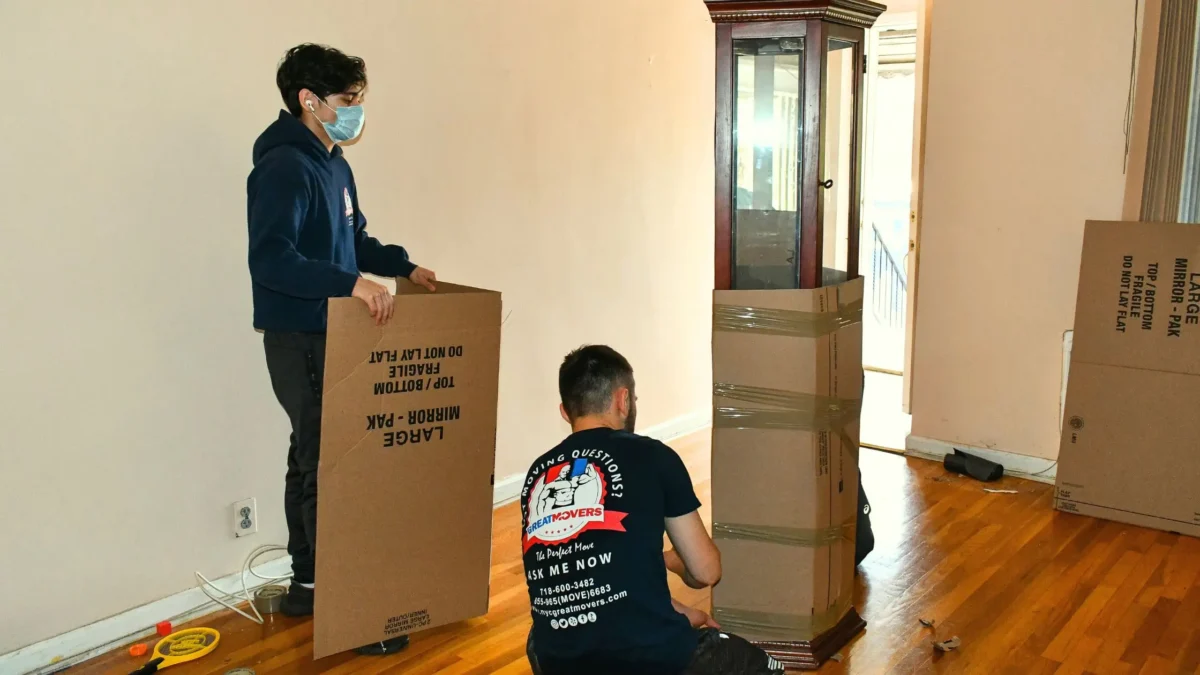
When you hire NJ packers, they can pack everything in your house in a day or less. After all, it’s what they do every day, so it’s no surprise that they’re efficient. Not only that, but they will bring their own supplies, so you don’t have to worry about buying boxes. They’ll handle everything for you and pack everything in an organized manner, and label each box. That way, when you have to unpack, you know exactly where everything is.

Less Stress

Packing for a move affects your schedule and can seriously affect your mental health. No one likes being in a half-packed house with partially filled boxes everywhere. It’s distracting and dangerous, as you could easily trip over a box or accidentally knock one over. But not everyone can dedicate hours to packing. Some people might just be able to spend an hour or less putting things away. 

Hiring packers can help reduce moving clutter and gives you the opportunity to focus on other moving-related tasks. And if you need to immediately get to work after your move, consider adding on an unpacking service so you can jump into your daily routine immediately.

Your Belongings are Protected

All professional movers and packers have to have the appropriate licenses and insurance. Believe it or not, professional NJ packers are very careful with your belongings. In fact, they might be more careful than you! On top of that, they all have the appropriate training and years of experience, so they know how to pack your things safely and efficiently. That leads to fewer mistakes and issues. 

In order to be a registered professional mover, all moving companies need to provide free partial valuation, which covers your belongings up to $0.60 per pound per item for free. They also need to offer full valuation coverage, though this is a paid service. The catch here is that you will only receive compensation if the damaged items were packed by the movers. Boxes packed by you will not be reimbursed unless you can prove that the damages were the fault of the movers. So if you have a lot of fragile and expensive items, definitely hire packers to handle them.

It Can Save Money

It might seem counterintuitive, but hiring packers can actually save you money. You might think that you can find enough free boxes from friends and family, but chances are you’ll still need to go out and buy them. Plus, old boxes aren’t sturdy enough to hold your valuable items either! And remember, if there’s an issue with your packing or if your boxes fall apart during the move, then the movers can contest any claims you might put in for the valuation, as they did not pack your items.


DIY Packing Costs vs. Professional Packing Costs

Item / Service Estimated DIY Cost Included With Professional Packers?
Small/Medium/Large Boxes (20–40 units) $60–$120 ✔ Included
Wardrobe Boxes (2–4 units) $30–$60 ✔ Included
Packing Tape (4–8 rolls) $12–$25 ✔ Included
Bubble Wrap (50–100 ft) $15–$30 ✔ Included
Packing Paper (5–10 lbs) $10–$20 ✔ Included
Furniture Pads & Wrap $20–$50 ✔ Included
Total Estimated DIY Cost $150–$300+
Average Cost of Professional Packers (Partial or Full) $200–$600+ ✔ Supplies Included


Besides boxes, you’ll also need to purchase other supplies like packing tape, bubble wrap, packing paper, and so on. This can easily bump your budget up a few hundred dollars. While hiring professional packers might cost you more than a couple of hundred bucks, the amount of time and stress you’ll save yourself is well worth the money. And, again, your valuables are protected should anything happen during the move.

Partial Packing

If a full-service packing option is too much for your budget, then ask the moving company if they offer partial packing services. It’s a more affordable option that still takes a lot of the stress off your hands because you don’t have to pack everything yourself. Instead, you’ll be responsible only for the things you want to pack while the pros handle everything else. You can break the service down by room or area, or even items. Whatever you decide, let the movers know and they’ll provide you with a quote. Naturally, you’ll have to pack the rest yourself, so make sure you have all the necessary boxes and materials.

Hire Pro NJ Packers

Getting pros to pack your things doesn’t have to be expensive. In fact, many people are surprised at how affordable it can be, especially for the partial packing option. Plus, you get more time to relax and focus on other aspects of moving. Let NJ Great Movers take care of your next move. We offer full and partial packing services for both local and long-distance moves. Give us a call and let us know what you need.

FAQ

How much does full service packing cost?

It depends on how much you are bringing with you. For a 3-bedroom house you can expect to pay around $2,000 while a studio bedroom might cost you only $500.

What can I expect from a packing service?

When you hire professional packers you can expect only the fast and efficient packing, excellent customer service, and high quality packing materials.

Categories
How To

How to Choose the Best Moving Company in NJ

Are you planning on moving to a new place in New Jersey? A cursory Google search will turn up dozens of options, which can lead to analysis paralysis. The more options you have, the harder it can be for you to decide which one to choose. While this might not be an issue for non-pressing purchases, choosing a reliable NJ moving company is crucial if you want a seamless transition to your new home. After all, you’re trusting them with your belongings! In order to find the best moving companies in NJ, it’s important to set aside some time to do proper research and vetting if you want to avoid potential issues and scams down the line. Not sure how to start? This handy guide walks you through how to choose the best NJ movers.

Ask People You Know

Word-of-mouth is still king. Before you even look online for NJ moving company reviews, ask your friends, family, and coworkers for their first-hand experience. White, you don’t need to give them the third degree; you should ask them about what it was like working with the moving company. Were they communicative, on time, and professional? Did they damage anything, and if they did, how did they resolve the issue? Did their initial quote match the final bill? All of these can help you narrow down your choices before you start doing your own online research.

Of course, just because one of your friends had a good experience doesn’t mean that other people felt the same way. Even bad moving companies can get it right sometimes! But asking for referrals is a good start, so you can narrow down your choices.

Check for Licenses and Insurance

All professional NJ moving companies must have the appropriate licenses and insurance in order to legally operate within the state. These include mandatory registration with the United States Department of Transportation (USDOT) to receive a USDOT number, a unique identifier that allows the government and consumers to access Current and new addresses.


NJ Movers Licensing & Insurance Requirements

Requirement Who Enforces It License Abbreviation Minimum Insurance Required What Consumers Can Verify
Federal Motor Carrier Registration U.S. Department of Transportation USDOT# Public liability & cargo insurance Safety records, crash reports, and insurance status
NJ Moving Company License NJ Division of Consumer Affairs NJDCA# Cargo & liability coverage per NJ law NJ license validity & compliance status
Interstate Carrier Authority Federal Motor Carrier Safety Administration MC# Insurance + operating authority Interstate authorization, complaint history
Commercial Vehicle Insurance NJ Motor Vehicle Commission Commercial auto liability Truck insurance & registration status


  • Estimated size of move, or assess the company’s compliance, inspections, crashes, etc. In order to receive the USDOT number, companies must have proof of up-to-date insurance. On top of this, NJ movers must be licensed by the Division of Consumer Affairs, which supplies standards that companies must abide by, including minimum insurance coverage, fitness standards, contract requirements, and claims procedures.

Most reputable NJ companies will display their USDOT number on their website so you can easily look them up. If they don’t have the information, you can call them up and ask, or you can call the NJDOT or the New Jersey Warehouse and Movers Association for updated details on the company.

Hire Local Movers

Experienced NJ movers can make the process seem easy. They will know exactly how to navigate the crazy New Jersey traffic, as well as all the laws for parking and moving into apartment buildings and/or homes. Need to deal with a flight of stairs? The best NJ moving companies have got you covered.


Average Moving Costs in New Jersey (Local vs Long Distance)

Distance Range Average Hourly Rate Estimated Total Cost Crew Size Needed Typical Job Duration
1–20 miles (Local Move) $120–$180 per hour $450–$1,000 2–3 movers 2–4 hours
20–50 miles (Local/Short Distance) $140–$200 per hour $700–$1,500 3 movers 3–6 hours
50+ miles (Long Distance) Flat rate pricing (varies) $2,000–$5,500+ 3–4 movers 1–3 days including travel


More importantly, hiring local movers means you’ll be less likely to be tricked into a scam. On top of that, if you can find something local to either your new or old address, you’ll also save money. Local moves are charged by the hour, and they start charging you the minute they leave their warehouse and will stop the clock once their trucks are back on site. That means the further away they need to drive in either direction, the more you will need to pay and the more chances there will be for the movers to run into traffic or other issues. Narrowing your search to more local companies can save you a hundred dollars or more!

Do Your Research!

Even if you get recommendations from other people, you still need to do your due diligence. Luckily, you can perform most of this online by looking at various online review sites like Google, Yelp, and Facebook. If a company has been in business for a long time, it will have hundreds of reviews from satisfied and not-so-satisfied customers. Read as many as you can and pay special attention to the negative reviews to see if there is a trend in the complaints. If a lot of people are complaining about poor service, damaged belongings, or surprise fees, you might want to move on to the next company.

In addition to online review sites, check out the Better Business Bureau to see if the company has a report. Check out the letter grade and read any complaints, reviews, and government actions. You can also review the company’s complaint history on the USDOT website by entering the USDOT number in the search bar.

Call the Company

Once you’ve narrowed down your choices to three options, give them a call to discuss their services and rates. Do NOT send them an email, as the purpose of the call is to assess their professionalism and communication skills. Pay close attention to how they answer their phone when they pick up. They should say the company name, not their name. From there, walk them through what you need for the move, including things like:

  • Moving date and time
  • Additional services
  • Bulky furniture/times
  • Flights of stairs, they will need to walk up
  • Your budget


What to Ask Movers During Your First Phone Call

Topic What to Ask / Share
How They Answer Should state company name; professional tone.
Move Date & Time Give preferred day/time to check availability.
Services Needed Packing, supplies, storage, or bin rentals.
Special Items Pianos, safes, gym equipment, large items.
Stairs / Access Stairs, elevator use, and long walks.
Budget Confirm price range and what’s included.
Red Flags Avoid pressure tactics or unclear answers.


The more information you can provide, the more accurate the mover’s estimate will be. While talking to them, don’t forget to ask questions! This could be from terms they use that you aren’t familiar with to the types of services they provide, including providing packing materials, plastic bin rentals, and so on. Trustworthy NJ movers will be more than happy to answer any of your questions and will work with you to find a way to match your needs and budget. If the person on the other end seems annoyed, avoids your questions, and/or tries to pressure you into handing over your credit card information, move on. It’s a clear sign that the company is not professional.

Book Your NJ Movers

Finding a moving company can be daunting, but with these tips, you should be able to narrow down your search. Always get an estimate from each of the companies to compare the prices and services they offer. If one seems significantly cheaper than the others, chances are you’ll be hit with a lot of hidden fees at the end. Most companies should be around the same price, give or take a few dollars. If it’s still out of your budget, ask if they can provide some kind of discount. This is especially effective if you’re moving between October through April, as fewer people move during this period. Once you’re happy with your research and the estimate, make sure to book as soon as possible so you don’t miss out on your preferred date and time.

If you’re looking for a reputable company, give NJ Great Movers a call! We have an almost 5-star rating on all review platforms. Our crew will work with you to make your move as easy as possible.

FAQ

How far in advance should l book my movers?

A good rule of thumb is to book at least one month before your move-out date. However, if you’re moving during peak season, you should book at least 6 weeks before moving day.

When do I pay the movers?

Most movers require a deposit to hold your date with the remainder charged on moving day once they have unloaded everything from their truck. This will be presented to you as the bill of lading. Before you sign, make sure all of your belongings are in your new home and check all of the line items to make sure there are no extra fees that you had not discussed beforehand.

Do movers require a minimum number of hours?

Most local movers have a two to three hour minimum. After that, you will be charged an hourly rate. On the other hand, long-distance movers charge a flat rate based on the distance traveled and the weight of your belongings. They may have a minimum rate, but it likely won’t be based on an hourly rate. Ask the moving company directly if you’re making a long-distance move.

Categories
General

Local vs. Long Distance Moves – What to Expect

If you’ve worked with professional NJ movers at all, you’ve probably heard the terms local or long-distance moves. While the words might seem obvious, there’s a bit of nuance to it when it comes to the moving industry. More importantly, a local and long-distance move can change a lot in terms of pricing, consumer protection laws, moving crew, and more. So what makes a move local or long-distance? Below is a breakdown of their differences.

Distance

The main difference between a local and long-distance move is the distance between your old home and your new home. Local moves typically are within a 50-mile radius, and anything over that would be considered long-distance. Of course, some moving companies are happy to make a concession if the move is just outside the local range, and some even consider any move within the state to be local. Before you sign any paperwork, make sure to know how the NJ movers qualify a local move. Since New Jersey is 166 miles long and 65 miles wide at its widest point, some companies might consider a move from North New Jersey to South Jersey a long-distance move.

And what about interstate moves? While it might seem obvious that moving to another state would be considered a long-distance move, that’s not always the case. For example, if you’re moving from Brooklyn to Hoboken, most NJ moving companies would consider that a local move. Similarly, a move from Stamford, CT, to Jersey City might also be a local move. Not all local moving companies work between states, so you should always ask beforehand.

Pricing

In general, most local NJ moves will be charged based on the number of hours it takes to complete the move. This includes loading, transportation, and unloading. For the most part, you can expect to pay for at least 4 hours of work, depending on how much stuff you have to move and whether you decide to add on a packing and/or unpacking service. The hourly rate starts when the crew leaves headquarters and ends when they bring the truck back to the parking lot. That means any delays due to weather or traffic during this time will be added to the final bill, so you could end up paying more than you expect. However, the benefit of an hourly rate is that you can include a couple of extra boxes or items without significantly changing the final bill.


Pricing Breakdown by Move Type

Pricing Factor Local Move Long-Distance Move
Minimum Time / Basis Hourly, minimum 4 hours Based on weight + distance
Average Rate NJ movers’ hourly rate Varies by weight & miles
Additional Items Small additions don’t significantly affect cost Extra items increase total cost
Shipping Options Not applicable Consolidated shipping: 6-10 day delivery window


Long-distance moves, on the other hand, are typically priced based on the weight of your belongings and the distance of the move. The more you have, the more expensive your move will be. To reduce your financial burden, get rid of as much stuff as you can, especially heavy items like furniture. Only keep items that are in good condition and you know will survive the long trip. And remember, any additional boxes or items that you bring with you after the quote will increase the price of your move, so triple-check you have included everything you plan on bringing with you. You don’t want to be surprised by a much higher bill at the end of your move.

Speaking of saving money, if you have a tight budget, opt for consolidated shipping. As the name suggests, you will be sharing space on the truck with other clients. It’s a perfect option if you don’t mind getting your items delivered within a time range of 6-10 days. Just make sure to look over your inventory carefully to make sure there are no boxes missing once the long-distance movers deliver your belongings.

Packing

You can get a local move done in a few hours, which means your belongings are only in a truck for a short time. While you shouldn’t just toss items into a box, you don’t need to be super vigilant when it comes to packing. Of course, you should make sure to protect fragile items during your move, as any little bump could lead to broken glassware or plates. 

However, with long-distance moving to NJ, your boxes will be in the truck for several days or even weeks. That means more opportunities for your boxes to get jostled and their contents to suffer from damage. To avoid that, you should definitely take your time and pack everything with the utmost care. Invest in higher-quality packing materials like boxes, tape, and bubble wrap. Or, better yet, see if the NJ movers you hire offer packing services. If they do and you have the money for it, hire them. 

The benefit of having professionals pack for you, besides saving you time, is that if your belongings are damaged during transit, it will be covered by the valuation coverage you choose. Our suggestion – spring for the full valuation option. It will cost you money, but if an item is lost or damaged, the movers will have to pay to repair, replace, or pay a cash settlement for the current market value of that item. If you pack yourself, the movers are not liable for any damages unless you can prove that they were negligent in the handling of your boxes.

Planning

Moving requires a whole lot of planning and organization. Even for a local move, you have to stay on top of a lot of little tasks like scheduling and transferring your utilities, planning your travel arrangements to get to your new place, getting your kids and pets ready for the move, packing, changing your mailing address for all your bills, updating your ID, and so on. If your kids are changing schools, you also have to notify the schools of the move and transfer their records. It can be overwhelming, which is why it’s a good idea to schedule some time to get all of these little things done. Set aside 30-40 minutes every day in the lead up to the move to check off one or two items on your list. By the time moving day rolls around, you should have everything moved over to your new address.


Planning Checklist

Step # Task Move Type
1 Schedule utilities Local & Long-Distance
2 Pack belongings Local & Long-Distance
3 Transfer IDs Local & Long-Distance
4 Update mailing address Local & Long-Distance
5 Change schools/transfer records Local & Long-Distance
6 Transfer professional licenses Long-Distance Only
7 Cancel memberships Long-Distance Only


A lot of the same principles apply to long-distance moves, just with double or triple the amount of tasks you need to do. In addition to everything mentioned above, you also have to change your driver’s license to a new state, transfer any professional licenses, cancel or transfer all your memberships, and more. Getting everything in place might take longer, so make sure to set aside at least a month and a half to get through everything.

Moving to New Jersey

Whether you’re making a local or long-distance relocation to New Jersey, you’ll want to hire professional NJ movers. NJ Great Movers can help you with every aspect of your move, whether that’s providing you with high-quality boxes or packing and unpacking your possessions. Whatever you need, we’ll be there for you! Reach out to us once you’re ready to make your NJ Move.

FAQ

If I’m moving states, do I have to file tax returns in both states?

If you move part way through the year you will need to pay taxes in two states. It might be a good idea to hire an accountant during the first year to help with the transition.

Will movers help store my things if I can’t move into my new place immediately?

Ask your movers beforehand to make sure they offer storage services. If they do, they will likely store your belongings wherever they pick up your belongings from, then deliver them once you are ready. Remember, though, if you choose consolidated shipping, you might have between 6-10 days leeway for when you will get your belongings.

Categories
General

Pros and Cons of Buying a House in New Jersey

Deciding between buying a house and renting an apartment in New Jersey is an important decision and ultimately boils down to your circumstances. For many, homeownership is often seen as the next step in adulthood, as it means you now own an appreciating asset and can decorate and remodel as you see fit without needing to ask a landlord. Still, buying a home isn’t always the best choice, so how do you decide which one is right for your circumstances?

Advantages of Owning a Home

Buying a home is a huge decision and requires a lot more planning than renting a home or apartment. However, there are a lot of benefits to being a homeowner that you might not realize, especially if you have been renting for a long time. 

Consistent Monthly Payments

The biggest benefit is the monthly cost, especially in areas with a low cost of living. Gone are the days when you wait for the rent increase letters from your landlord when you want to renew your lease. Instead, you have a 30-year fixed-rate mortgage where the principal and interest rates are the same every month. You can even reduce your payment by refinancing it if the rate drops. If you’re comfortable paying a higher monthly amount, you can go for a short-term mortgage.

Build Equity and Net Worth

Another huge benefit of owning a home is that you build equity with each payment you make. Take a look at the amortization schedule you received that came with your closing paperwork to see how much you’re actually paying towards the interest charges and loan balance. In the beginning, most of your payment will go towards the interest, but over time, you’ll pay down more of your loan, which will build equity. In general, it can take up to 10 years to actually build positive equity for your home, but the longer you live there, the more wealth you can build.


Pros and Cons of Buying a Home in NJ

Pros of Buying a Home Cons of Buying a Home
Build Equity: Each mortgage payment increases your ownership stake in the property. High Upfront Costs: Down payment, closing costs, inspection, insurance, and title fees can add up quickly.
Consistent Monthly Payments: Fixed-rate mortgages provide predictable principal and interest payments. Ongoing Costs: Property taxes, utilities, insurance, HOA fees, and maintenance can significantly increase monthly expenses.
Appreciating Asset: Homes typically increase in value over time, building net worth. Maintenance Responsibility: Homeowners must handle repairs, yard work, and upkeep themselves.
Access to Equity: Options like cash-out refinance, HELOC, or home equity loan let you borrow against your home without selling. Less Mobility: Selling a home can take time, making relocation or career moves harder.
Tax Benefits: Mortgage interest and property taxes may be deductible (up to applicable limits). Market Risk: Home values can fall due to economic downturns or housing crises, potentially losing money.
Stability and Community: Long-term residency allows stronger relationships with neighbors and involvement in local schools and organizations. Risk of Unexpected Expenses: Roof repairs, plumbing issues, or appliance replacements can be costly and sudden.
Creative Freedom: You can remodel, paint, or improve your home without landlord restrictions. Time and Effort: Owning a home requires time, attention, and energy for both property and administrative responsibilities.
Long-Term Investment: With patience, homeownership can be more cost-effective than renting in the long run. Illiquidity: Your home’s value is tied up in the property and isn’t quickly accessible unless you sell or borrow against it.
Potential for Rental Income: You can rent part of your home or convert it into an investment property in the future. High Property Taxes in NJ: New Jersey has some of the highest property taxes in the nation, which can strain monthly budgets.
Sense of Pride and Security: Owning a home provides psychological comfort and a stable living environment. Financial Commitment: Mortgage is a long-term obligation; missing payments can lead to foreclosure.


On that topic, you can convert your home’s equity to cash, which you can use to pay for improvements on your house, consolidate your credit cards, pay for college or a business, or even purchase a vacation home or rental properties. The best part is that you don’t need to sell your house to have access to these funds.  There are a few ways you can have access to the cash:

  • Cash-out refinance – this involves taking out a larger loan amount for more than you currently owe and pocketing the difference. You can usually borrow up to 80% of  your home’s value
  • Home equity loan – a popular choice if you’d rather borrow against your equity without replacing your current mortgage. You’ll get the funds in a lump sum and pay a fixed rate.
  • Home equity line of credit (HELOC) – this works like a credit card but is secured by your home. You only make payments on the amount you use and can pay off and reuse the credit for around 10 years or so.
  • Reverse mortgage – If you’re over the age of 62, you can convert your equity to cash, and you won’t have to worry about a monthly mortgage payment

As you increase your equity over the years, your home value will also increase over time, so long as there’s no major hiccup in the real estate market similar to the 2008 housing crash. This, in turn, increases your overall net worth, and if you do sell, you’ll hopefully be able to pocket a bit of cash.

Build Community

Owning a home provides stability, which is especially important if you have children. Most homeowners live in their homes for 10 years before selling, which means you have plenty of time to get to know your neighbors and for your children to make lifelong friends. Plus, your kids will likely do better in school as they won’t have to worry about moving, and you can be involved with community organizations like school boards, PTA, etc.

Disadvantages of Owning a Home

While homeownership is great, there’s a reason why many people opt to rent apartments instead of purchasing a house. Not everyone is right for ownership, so it’s important to weigh the pros and cons before you decide to take the plunge.

High Upfront Costs

While owning a house might be cheaper in the long run, you have to put up a lot of money in order to close. People often save for years to have enough to afford the down payment for a house. And that’s just the beginning of upfront costs. Unless it’s specifically stated that the owner will pay for closing, you will need to provide it. Closing costs generally run from 2-5% of the purchase price and include fees such as:

  • Property tax – New Jersey has the highest property taxes in the nation!
  • Mortgage insurance is required if you end up putting a down payment of less than 20%
  • Home inspection
  • First-year homeowner’s insurance premium
  • Title search
  • Title insurance
  • Points – prepaid interest on mortgage

It can take up to five years to recover all these costs!

Ongoing Costs

On top of the upfront money you need to spend, you’ll also have to pay a lot on a monthly basis. Sure, your mortgage might be cheap, but once you include everything else, you might end up paying the same, if not more than, rent on a home. If you’re used to renting, all of the costs you need to pay for may come as a surprise. You probably already pay for electricity, gas, and internet, but if you own your home, you also have to pay for:

  • Water
  • Sewage
  • Trash collection
  • Heating
  • Homeowners Association dues (if applicable)
  • Homeowners Insurance
  • Private Mortgage Insurance – if you paid under 20% with your down payment
  • Property Tax

All of this can add up to hundreds, if not thousands, of extra dollars that you’ll need to include in your monthly budget. Make sure you have enough money to pay for all of these, as well as the basics like food, gas, car insurance, clothes, etc.


Financial Planning Before Buying a Home in New Jersey

Financial Planning Step Details / Action Items
1. Calculate Down Payment Determine 20% of the home price for standard down payment; consider programs for lower down payment if eligible.
2. Estimate Closing Costs Plan for 2–5% of the purchase price to cover title insurance, attorney fees, inspections, and prepaid taxes/insurance.
3. Check Your Credit Score Higher credit scores can secure lower mortgage rates. Correct errors and pay down high balances before applying.
4. Calculate Total Monthly Expenses Include mortgage, property tax, insurance, utilities, HOA fees, and maintenance to ensure affordability.
5. Build an Emergency Fund Save 3–6 months of living expenses to cover unexpected repairs or income disruptions.
6. Assess Long-Term Financial Goals Consider career plans, family needs, and retirement savings to ensure the home aligns with your long-term finances.
7. Factor in Market Risks Understand potential property value fluctuations and plan to ride out downturns without financial stress.
8. Research Mortgage Options Compare fixed-rate, adjustable-rate, and government-backed loans to find the best fit for your budget.
9. Plan for Home Maintenance Set aside 1–3% of the home value annually for repairs, replacements, and general upkeep.
10. Pre-Approval Before House Hunting Get pre-approved to understand borrowing limits and strengthen your negotiating position.

Maintenance

You are the owner of your house, which means you are responsible for everything! So if your roof leaks or an appliance breaks down, you will need to figure out how to fix that and pay for it. Living in an older house might seem romantic, until there’s something you need to fix every month. Before you fall in love with a place, ask about upkeep on key items like the roof, boiler, septic tank, etc. Ideally, you’ll want a place with a relatively new roof and appliances, as they should last around 5-10 years with yearly check-ups/maintenance. 

And speaking of maintenance, don’t forget you have to maintain your entire property. So if a tree falls down into your neighbor’s yard, you will need to pay for its removal. If you are part of an HOA, you will also have to follow the rules set out, including keeping your lawn mowed, having a well-kept house, and, if you have a dog, ensuring you have the appropriate enclosures to prevent your dog from entering your neighbor’s property.

Less Mobility

What might have seemed like a dream house can end up being a nightmare. Maybe you hate your neighbors, or perhaps you got a great job opportunity on the other side of the country. Whatever the reason, you need to move quickly. Unfortunately, selling a house can take some time, especially if you’re moving during the winter. And while houses have been selling quickly, there’s no guarantee this will last. Plus, a fast-moving market means it will also be harder for you to find a new home without putting down a lot of money. If you know your career requires frequent moves if you just want flexibility, home ownership might not be the best option.

Falling Property Values

Homes are generally an investment, and their value continues to grow over the years. But that doesn’t mean that’s always the case. For example, in 2008, property values plummeted due to the housing crisis, and those who had to move during this time ended up losing a lot of money as their houses were selling for below the initial purchase price. Ideally, you can ride out the downturn and wait for the market to rebound, but that might not always be the case. Still, buying is generally a safe investment, and you should only consider purchasing a place if you plan on living there for a long time.

Move to Your NJ Home

Whether you decide to buy a place or rent, NJ Great Movers can help make your transition seamless. We’ve moved hundreds of people all over New Jersey, so we know exactly how to navigate the streets and homes of NJ. If you need professional NJ movers, look no further! We can help with local or long-distance moves and offer full packing services and storage.

FAQ

Do I get tax advantages if I own a house?

Yes, mortgage interest is deductible on the first $750,000 of the purchase price of a house, although the standard deduction makes it harder to itemize the interest costs. Make sure to calculate all the numbers before you buy a house to see what tax benefits you might gain. And if you work from home even part of the time, you might be able to deduct a percentage of your home workspace.

What happens if I can’t pay my mortgage?

A lot of things can happen! Initially, you will get hit with a late fee, either a flat fee or a percentage of the monthly payment. As long as you are able to pay that, you’ll be fine, though a late payment does negatively impact your credit score. After 90-120 days of missed payments, you’ll receive a notice that you have 30 days to solve the default. If you are not able to do so, the lender will file a complaint in court 30 days after the notice, and the homeowner then has 35 days to respond. It generally takes around 12 months to fully foreclose on a house, but you will get kicked out of your home before that!