Categories
Packing Hacks and Guides

Top 5 Reasons to Hire Packers For Your NJ Move

Whether you live in a studio apartment or a three-bedroom house, packing your belongings is a time-consuming process. The DIY route requires plenty of planning and prep. You need to purchase all of the packing materials ahead of time, create an inventory of what you are taking with you, and then pack everything. Sure, you could throw everything into some boxes, but then you’ll be faced with a huge mess when it comes time to unpack. More importantly, haphazard packing could lead to damaged items.

If you want to make sure your belongings get packed in an orderly manner, consider hiring professional NJ packers to help with your move. While it will cost you more money than a basic moving package, it’s well worth the money if you can spare it! Below are reasons why hiring a professional packing service might be the right move for you.

It Saves Time

Moving into a new home is exciting, but it’s also a lot of hard work. Regardless of whether you’re making a long-distance or local move, you need to organize the logistics of getting your family from your old place to your new one. Packing is one of the main tasks when it comes to moving, but it’s a time-consuming process. Many people leave it to the last minute, but that leads to more stress since you need to organize, declutter, create an inventory, and then pack everything. Even if you start a few weeks in advance, that’s weeks of having your home in a partially packed state.


Packing Time Comparison: DIY vs. Professional Packers

Home Size DIY Packing Time Professional Packing Time
Studio Apartment 10–15 hours 2–4 hours
1 Bedroom 15–25 hours 3–5 hours
2 Bedroom 25–40 hours 4–7 hours
3 Bedroom 40–60 hours 6–10 hours
4 Bedroom 60–80+ hours 8–14 hours


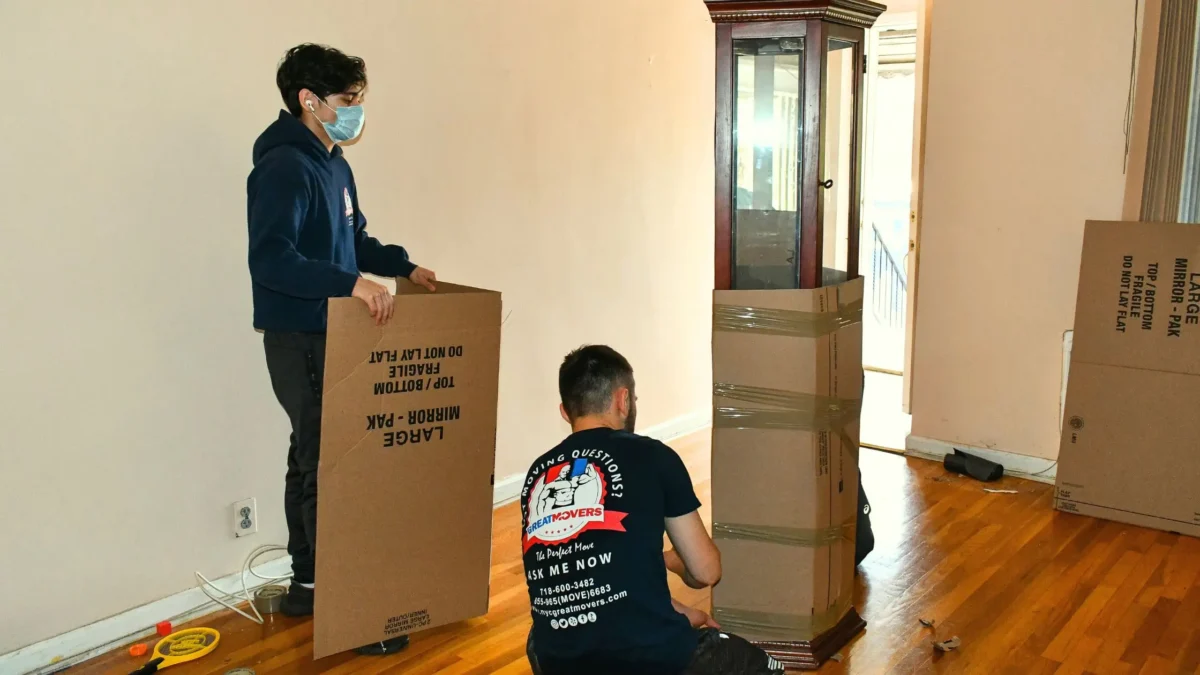
When you hire NJ packers, they can pack everything in your house in a day or less. After all, it’s what they do every day, so it’s no surprise that they’re efficient. Not only that, but they will bring their own supplies, so you don’t have to worry about buying boxes. They’ll handle everything for you and pack everything in an organized manner, and label each box. That way, when you have to unpack, you know exactly where everything is.

Less Stress

Packing for a move affects your schedule and can seriously affect your mental health. No one likes being in a half-packed house with partially filled boxes everywhere. It’s distracting and dangerous, as you could easily trip over a box or accidentally knock one over. But not everyone can dedicate hours to packing. Some people might just be able to spend an hour or less putting things away. 

Hiring packers can help reduce moving clutter and gives you the opportunity to focus on other moving-related tasks. And if you need to immediately get to work after your move, consider adding on an unpacking service so you can jump into your daily routine immediately.

Your Belongings are Protected

All professional movers and packers have to have the appropriate licenses and insurance. Believe it or not, professional NJ packers are very careful with your belongings. In fact, they might be more careful than you! On top of that, they all have the appropriate training and years of experience, so they know how to pack your things safely and efficiently. That leads to fewer mistakes and issues. 

In order to be a registered professional mover, all moving companies need to provide free partial valuation, which covers your belongings up to $0.60 per pound per item for free. They also need to offer full valuation coverage, though this is a paid service. The catch here is that you will only receive compensation if the damaged items were packed by the movers. Boxes packed by you will not be reimbursed unless you can prove that the damages were the fault of the movers. So if you have a lot of fragile and expensive items, definitely hire packers to handle them.

It Can Save Money

It might seem counterintuitive, but hiring packers can actually save you money. You might think that you can find enough free boxes from friends and family, but chances are you’ll still need to go out and buy them. Plus, old boxes aren’t sturdy enough to hold your valuable items either! And remember, if there’s an issue with your packing or if your boxes fall apart during the move, then the movers can contest any claims you might put in for the valuation, as they did not pack your items.


DIY Packing Costs vs. Professional Packing Costs

Item / Service Estimated DIY Cost Included With Professional Packers?
Small/Medium/Large Boxes (20–40 units) $60–$120 ✔ Included
Wardrobe Boxes (2–4 units) $30–$60 ✔ Included
Packing Tape (4–8 rolls) $12–$25 ✔ Included
Bubble Wrap (50–100 ft) $15–$30 ✔ Included
Packing Paper (5–10 lbs) $10–$20 ✔ Included
Furniture Pads & Wrap $20–$50 ✔ Included
Total Estimated DIY Cost $150–$300+
Average Cost of Professional Packers (Partial or Full) $200–$600+ ✔ Supplies Included


Besides boxes, you’ll also need to purchase other supplies like packing tape, bubble wrap, packing paper, and so on. This can easily bump your budget up a few hundred dollars. While hiring professional packers might cost you more than a couple of hundred bucks, the amount of time and stress you’ll save yourself is well worth the money. And, again, your valuables are protected should anything happen during the move.

Partial Packing

If a full-service packing option is too much for your budget, then ask the moving company if they offer partial packing services. It’s a more affordable option that still takes a lot of the stress off your hands because you don’t have to pack everything yourself. Instead, you’ll be responsible only for the things you want to pack while the pros handle everything else. You can break the service down by room or area, or even items. Whatever you decide, let the movers know and they’ll provide you with a quote. Naturally, you’ll have to pack the rest yourself, so make sure you have all the necessary boxes and materials.

Hire Pro NJ Packers

Getting pros to pack your things doesn’t have to be expensive. In fact, many people are surprised at how affordable it can be, especially for the partial packing option. Plus, you get more time to relax and focus on other aspects of moving. Let NJ Great Movers take care of your next move. We offer full and partial packing services for both local and long-distance moves. Give us a call and let us know what you need.

FAQ

How much does full service packing cost?

It depends on how much you are bringing with you. For a 3-bedroom house you can expect to pay around $2,000 while a studio bedroom might cost you only $500.

What can I expect from a packing service?

When you hire professional packers you can expect only the fast and efficient packing, excellent customer service, and high quality packing materials.
Categories
How To Moving Tips

How to Make a Small NJ Move

Not all moves are the same. Regardless of the size of your move, you still need to put in the time and effort if you want to reduce your stress. Of course, hiring a professional NJ moving company can make the process that much easier. But before you put down a deposit, make sure you know exactly what a small move entails.

What is a Small Move?

As the name suggests, a small move means you are relocating fewer boxes and other household items than your typical move. Usually, it’s associated with one or two-room apartments or smaller homes and the items, but it can also include moving one large item like a piano or dining room set. 

In general, small moves do not require the use of a full-size moving truck and can usually be completed by two professional movers. A move can also be labeled small even if it’s long-distance or cross-country. The word small describes the amount of stuff you’re moving, not the distance.

NJ Small Move Cost Table

Cost Factor Typical Range
Base Hourly Rate (2 Movers) $100 – $150/hour
Small Truck / Van Rental $50 – $120/day
Minimum Fee $200 – $350
Packing Services $50 – $150
Stair / Long Carry Fee $20 – $75 per flight/item
Specialty Items (Piano, Furniture) $50 – $200
Insurance / Liability $50 – $150


Just because you’re not moving as much stuff doesn’t mean a small move is a simple process. You still need to take into consideration things like decluttering your belongings, packing, finding a mover, and more. Even moving a single large item can be a hassle if you don’t do the appropriate legwork, like making sure the item not only fits in the house but also through the doorways and halls. 

Benefits and Drawbacks of a Small Move

It doesn’t matter how much stuff you’re moving; it’s going to be a process. Still, there are a lot of benefits to a small move versus a large one:

  • Affordable – smaller moves mean fewer boxes and furniture. Regardless of whether you’re paying a fixed or hourly rate, fewer staff means lower prices. Heck, with the money you save, you might even be able to afford other services like packing and unpacking.
  • Flexible – Depending on the distance of your move, a small move means more flexibility on the date and time of your move. It’s even easier to find last-minute movers since you likely need one truck or even a small van.
  • Simple – organizing and packing for a small move is a lot easier if you have fewer belongings. Even if you live in a larger house, you should do your best to reduce the number of items you’re bringing with you to your new home. The goal should be to declutter as much as possible. Not only does it make packing easier, but it also makes the unpacking process go that much faster.

Of course, there are some downsides to a small move. Not all moving companies are willing to cater to small moves, as it often won’t be worth their time. For those who do provide the service, they may charge a minimum fee, so you may end up paying the same amount of money for a few boxes as you would for a larger move. In that case, it might be worth your time to add on the additional packing and unpacking service or plan a DIY move if you’re truly only moving a handful of boxes. 

Planning a Small Move

Whether you already don’t own a lot of things or plan on reducing how much you bring to your new home, you need a plan and time to get everything done. Your first order of business is to declutter. Yes, even if you’re already living in a small home, chances are you still have plenty of things that are unnecessary. Separate your belongings into two to three separate piles: keep, sell/donate, trash, and sort accordingly. If you’re not sure whether you should keep or sell something, think about the last time you used said item. If you haven’t used it in the past year, chances are you don’t really need it. Trash anything that’s broken or in very bad condition.

Tipping Guidelines for Small Moves

Move Type / Duration Recommended Tip
Small Move (1–3 hours, 2 movers) $10 – $20 per mover
Half-Day Move (4–5 hours) $20 – $40 per mover
Full-Day Move (6–8 hours) $40 – $60 per mover
Exceptional Service Consider 10–20% above standard tip


Once you’ve sorted everything, get packing! Hopefully, you only have a handful of boxes to pack, which should take you less than a day to put everything away. Remember, you don’t need to pack everything into boxes. Leave your clothes in their dresser and just wrap the drawers tightly with plastic wrap. Instead of buying bubble wrap or packing paper, use towels and scrap paper to protect your fragile items. Make sure to keep a detailed inventory of all your items and include photos of everything, so if something gets damaged, you have proof.

After decluttering, make sure to spend some time researching and reaching out to multiple moving companies. Again, not all movers will handle a small move, so be upfront about your needs. That includes if you need additional services like storage and full or partial packing. And don’t forget to include important details like whether the movers will need to go up and down any flights of stairs. All of these will increase the cost of your move. When talking to movers, pay attention to how they answer or don’t answer your questions. If they seem to dodge your questions or get annoyed, it could be a red flag that they’re scamming you or just not professionals.

Small Moves Don’t Need to be Stressful

At NJ Great Movers, we can help with your move regardless of the size. And if you need any other help, we offer plenty of useful services. We can even provide moving materials in case you don’t want to make multiple trips to pick up all the necessities. So whether you just need to move a few boxes or you’re moving a jacuzzi, we’re here to help.

FAQ

Should I tip for a small move?

That’s up to you and how well the moving crew performed. Tipping is not a requirement, but it’s always appreciated. Don’t feel pressured to give money, though, if the movers were unprofessional, late to arrive, disrespectful, etc.

If I’m moving only a few boxes, should I hire professionals or DIY?

It depends. If you only have one or two medium-sized boxes, you might be able to get a taxi or Uber to take you to your new place. However, anything over that, you should at least get some friends to help out. And if some of the boxes are very heavy, then you should definitely hire professionals so you don’t throw out your back during a move.

What qualifies as a small move in New Jersey?

A small move in New Jersey typically involves relocating a limited number of items, such as a studio or one-bedroom apartment, a dorm room, or just a few pieces of furniture. It can also include moving a single large item like a piano or sectional sofa. The key factor is the volume of items, not the distance—small moves can be local or long-distance and usually require two movers and a small truck or van.

Categories
Moving Tips

Moving to NJ From Out-of-State Checklist and Tips

Many people find a small local move challenging and plan a few weeks in advance. Moving to New Jersey from another state requires even more preparation and planning, even if you’re coming from the next state over. That doesn’t mean your out-of-state move has to be stressful or difficult. There are plenty of steps you can take to make your NJ relocation a walk in the park.

Visit the Area

Ideally, you’ll be able to physically visit your future home so you can get a good feel for the neighborhood, nearby amenities, and so on. Unfortunately, traveling out of state isn’t always affordable. However, if you can squeeze it into your moving budget, seeing the location firsthand is always a great idea.

If you can’t physically visit your new home, the next best thing is to find digital resources. Your new town or city might have its own social media account. If not, they will at least have their own website where you can check out the calendar of events, announcements, and so on. You can also “walk” the neighborhood with Google Maps to find the nearest park, grocery store, library, and whatever else is important to you. The more you research, the more you will feel comfortable when you actually make the move.

Prepare a Moving Calendar

While you might only need 2-3 weeks for a small, local move, you should start preparing for your interstate move at least a month in advance, if not longer. The best way to make sure you get all your tasks done is to first figure out your move date and then count backward at least 4-6 weeks. If you know you’re going to be busy with work or travel during that timespan, make sure to give yourself even more breathing room. Find and circle the date on the calendar – that’s the day you start with your moving tasks!


Recommended Moving Timeline

Timeline Tasks Notes
6–8 Weeks Before Move Research moving companies, request quotes, and book your mover Early booking ensures availability, especially in peak season
4–6 Weeks Before Move Start decluttering, selling, or donating unwanted items Reduces moving load and overall cost
3–4 Weeks Before Move Gather packing supplies and begin packing non-essential items Label boxes by room and contents
2 Weeks Before Move Notify utility companies, update the address, and confirm the moving date Ensures smooth transition of services
1 Week Before Move Pack essentials bag, finalize inventory, and review moving plan with movers The essentials bag includes toiletries, clothes, and important documents
Moving Day Supervise movers, check inventory, and ensure all items are loaded Keep important documents and valuables with you
1–2 Days After Move Unpack essentials, set up utilities, and check for any missing or damaged items Report issues to movers immediately if necessary


Don’t just fill in the calendar haphazardly. First, create a list of all the tasks you need to complete. For example, hiring professional movers, packing, shutting off utilities, purchasing packing supplies, changing your address, etc. Make sure to personalize these tasks to match your needs and prioritize them based on how many days you have until moving day. If you plan on hiring a moving company, you should book them at least a month before your move date, especially if you plan on relocating between May through September.

Create a Budget

Moving out of state isn’t cheap. The average cost of hiring professional movers for a long-distance relocation is close to $5,000. Unlike local moves that charge you an hourly rate, out-of-state movers generally offer a fixed rate fee based on the distance, weight, and volume of your move. Ultimately, it means the further you move and the more stuff you have, the higher your final bill. The price only goes up if you include additional services like storage, packing, unpacking, and buying packing supplies. 

Even if you decide to do a DIY move, you’ll still need to pay money for a truck or container, moving supplies, and other expenses like gas, tolls, parking, and more. Plus, you’ll have to load and unload the truck yourself. At best, you’ll be sore for the next few days from lifting and carrying heavy boxes and furniture, but at worst, you could seriously injure yourself.

Speaking of budget, don’t forget to include costs outside of the actual moving process, like some takeout food for the day or two after you move into your new NJ home, new decorations, and even new furniture. 

Choose a Professional Moving Company

If you can spare the money in your budget, hiring a moving company can make your transition to your new New Jersey home a lot easier. Every move is unique, which is why the most reputable New Jersey movers will walk you through the entire process and come up with personalized moving plans based on your needs and budget. Before you call, figure out what you might need as part of your moving plan. Most movers offer services like packing, storage, and more. If you need a full-service experience where movers do the packing for you, make sure to mention it!


Cost Comparison: DIY vs Professional Movers

Cost Component DIY Move Professional Movers Notes
Truck / Rental $100 – $500 Included DIY requires renting a truck; pros include vehicle
Labor Free (self/friends) $500 – $2,500 Pros handle all loading/unloading
Packing Materials $100 – $300 $150 – $500 Pros often include boxes, tape, and padding
Fuel / Gas $50 – $300 Included DIY requires paying for gas; pros cover this
Insurance / Liability Optional: $50 – $200 Included / Optional Upgrades Pros offer coverage for damaged items
Total Estimated Cost $300 – $1,300 $4,000 – $6,500 Professional movers save time and reduce risk of injury


Always do your research before hiring the company. Look up online reviews on a variety of sites, including Yelp, Google Business, and the Better Business Bureau. Licensed and insured movers also provide their Department of Transportation number, which allows you to search the number to make sure they are up-to-date with their licenses.

Create a Moving File

Filing all documents related to your move is one of the best ways to stay organized and sane. Sure, it’s not fun and is just another thing you have to remember, but you’ll be grateful you have everything in one place. Documents you should store here include:

  • Moving-related documents like your estimate, bill of lading, and inventory 
  • All personal documents related to you, your child(ren), and/or pets. This includes birth certificate, school records, pet-related documents (vet records, etc)
  • All related bills and utilities that you will need to call to either cancel or update your address

While you can access many of these documents online, it’s still a good idea to have a hard copy version just in case something happens, especially for places like your doctor’s office. If they don’t have a digital portal, call to get a copy of your health records emailed to you and print it out. When you find a new doctor, you can hand over your health history on the first day.

Declutter

The less stuff you have, the cheaper your move! Take a look at everything you own and filter out anything that you have used in the past year. Chances are, you won’t miss it! After that, try out the 3-second rule, where you must decide in three seconds if you’ll keep an item in your hand or not, and you can’t change your mind after. 

If you end up with a lot of things to get rid of, consider hosting a garage sale. Not only will it help get rid of our unwanted items, but it’s also a great way to pad your moving budget. Donate whatever leftover items you have that are in good condition. If you still have a few things left after all that, post them on a local buy nothing group.

Pack Early!

Packing is by far the most time-consuming task. Don’t leave the packing to the last minute. If you want to ensure all of your belongings get to your new home in one piece, you’ll want to set aside a few weeks to pack properly. That includes some prep time to ensure you have all the materials you need, including boxes of various sizes, packing tape, padding for fragile items, and packing paper to fill up any gaps in the box.


Packing Supplies Checklist

Item Quantity Notes
Moving Boxes 10 Various sizes for clothes, kitchen, and fragile items
Packing Tape 5 rolls Strong tape for sealing boxes securely
Bubble Wrap 3 rolls Protect fragile items like glassware and electronics
Moving Blanket 1 per large furniture piece Prevent scratches and damage during transport


Split up the packing by section or room and start with the location with the least essential items. That might mean your garage, attic, basement, or guest room. Make sure to label each box appropriately with the room the box should go into, as well as basic details on what is inside the box. If you have any fragile items in the box, make sure to write FRAGILE so the movers know to handle them with care.

Don’t forget to pack an essentials bag while you’re at it. Think of this bag/box as what you would take to a two-night stay at a hotel and include all these items. The last thing you want to do after you have moved into your new home is dig through boxes to find your toothbrush.

Make all Necessary Travel Arrangements

Moving long distances means figuring out how you’ll get from your old place to your new one. And no, you can’t hitch a ride with the movers. Depending on how far you’re moving and whether you are moving with kids or pets will determine your travel strategy. If you’re relatively close to your new location (a couple of hours out), you can simply drive to your new location with no issues. For anything further, you might want to plan out meals, bathroom, and other breaks, especially if you’re moving with young children.

For those who live cross-country, a flight will be the fastest and easiest option. However, if you prefer driving, don’t forget to make hotel reservations and plan an itinerary to see some cool things along the way during your road trip. This might not be the best option if you have kids or pets, but it’s great if you’re single.

Move to New Jersey with NJ Great Movers!

If you’re ready to make your move to the Garden State, NJ Great Movers can provide all the information and help you might need. We provide standard long-distance moving services along with other add-ons like packing, unpacking, storage, and more. Reach out to us, and we’ll walk you through the process.

FAQ

Should I move my furniture with me?

Ultimately the decision is up to you. However, the more stuff you bring, the more expensive your bill. Focus on keeping pieces that are in good shape and will last you for many more years to come.

Can I track my moving truck?

Many professional moving companies have a GPS tracker on their trucks. If you’re curious how far away your truck is, call up the company and they can provide accurate location information.

When will my moving truck arrive?

Depending on how far you are moving, your trucks can take between 1-2 weeks to arrive at your new location. If you opted for the consolidated shipping, your items will arrive during a one-week delivery window. For express shipping, you get to choose drop off day so you know exactly when your items will arrive.

Categories
Moving Tips

Essential Items You Need to Pack for a Relaxed Move

It’s all too easy to forget about the small details when you’re planning your NJ move. After all, there’s a lot to keep track of, from finding the perfect NJ movers to making sure your utilities are turned on when you move into your new home. With so much long-term planning, many people forget to plan for the short term. However, remembering these small essentials can make a huge difference on moving day and the days after.

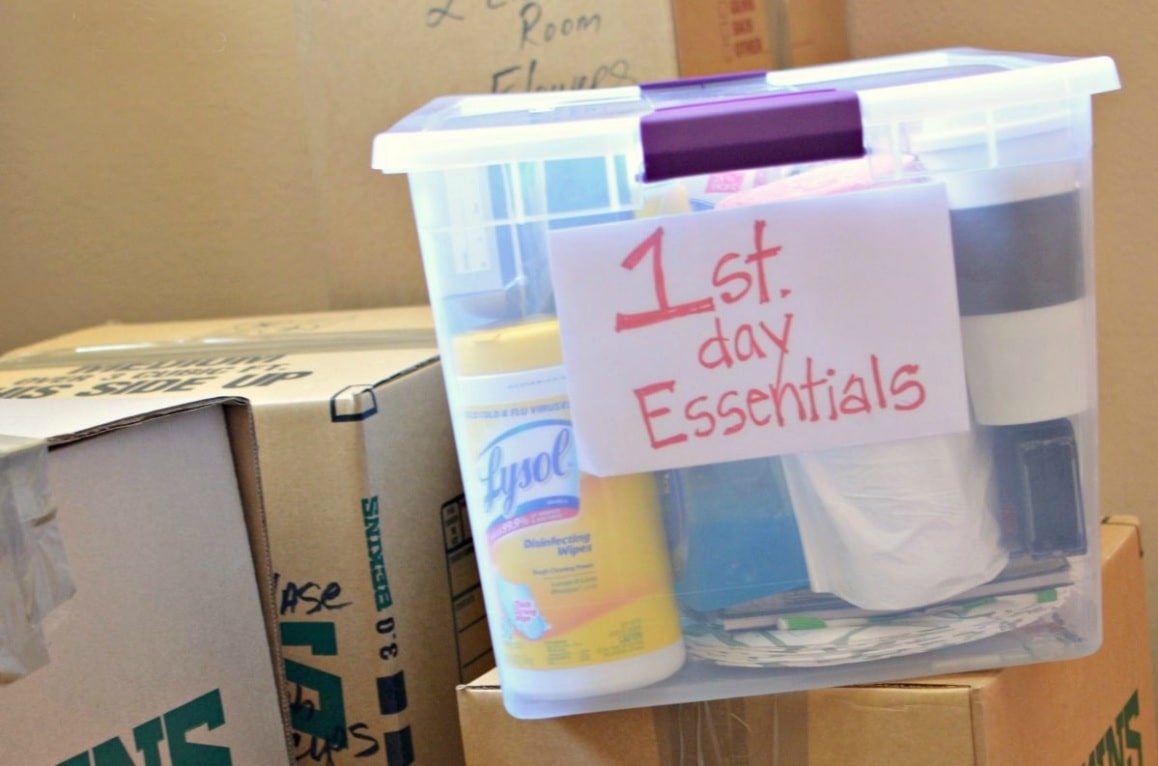
After all, you don’t want to spend hours after your move digging around boxes trying to find your phone charger or toothbrush! Even if you get your movers NJ to pack for you, you should always make sure to pack essentials on your own that will be easy to access.

If you’re not sure what to pack, below is a comprehensive list of essentials you should have on hand to make your move stress-free.

Essential Cleaning Supplies You’ll Need After Moving

You don’t need to bring all your cleaning supplies with you, but you should pack away a few items. At the very least, you’ll want to bring an all-purpose cleaner, a cleaning rag, and garbage bags. If you have a bit more room, you might want to bring:

  • Paper towels
  • Small vacuum
  • Sponges
  • Dish soap
  • Laundry detergent
  • Broom
  • Toilet bowl cleaner

Before you pack these items up in a box, spend a bit of time giving your old home a deep clean so that the new residents won’t have to do too much work when they move in. Once you’re done, put these items in a separate box so you can access them easily once you move to your new place. Many movers will not allow certain cleaning supplies on the truck as it is considered hazardous, so make sure to ask beforehand whether they will allow it on the truck or not.


Essential Items Quantity Guide for Each Room

Category Recommended Quantity Notes
Number of Toiletries Per Person Toothbrush: 1
Toothpaste: 1 small tube
Shampoo: 1 travel bottle
Conditioner: 1 travel bottle
Soap/Body wash: 1
Deodorant: 1
Hand towel: 1–2
Bath towel: 1
Toilet paper: 2 rolls
Contact lens case/solution: 1 (if needed)
Pack essentials for the first 48–72 hours.
Number of Outfits for 3, 5, and 7 Days 3 Days: 3 outfits, 3 underwear, 3 socks, 1 sleepwear

5 Days: 5 outfits, 5 underwear, 5 socks, 1–2 sleepwear

7 Days: 7 outfits, 7 underwear, 7 socks, 2 sleepwear

Add 1–2 work outfits if returning to work immediately.
Number of Kitchen Items by Household Size 1 Person: 1 plate, 1 bowl, 1 mug, 1 fork/spoon/knife, 1 pan, 1 pot, 1 cutting board

2 People: 2 of each dish, 1–2 pans, 1 pot, 1 cutting board

Family of 3: 3 of each dish, 2 pans, 1–2 pots, 1–2 cutting boards

Family of 4+: 4–6 of each dish, 2–3 pans, 2 pots, 2 cutting boards

Pack only what you need for the first 2–3 days of meals.


Even if the previous owners of your new home cleaned the place before they left, you’ll probably have to do some light cleaning as you’ll be tracking in dirt during the move. Before you unpack, you should spend some time cleaning every room. Sure, cleaning isn’t really the first thing people want to do after a big move, but it will make unpacking a lot easier. While you’re at it, take this time to inspect every inch of your house for any cracks, holes, etc.

Bedding for a Relaxing First Night After Moving

It might seem obvious, but you’d be surprised how many people forget these! Your bedding includes more than just your sheets. It also includes your pillows, pillow case, and some extra blankets if you’re moving during cooler seasons. Before you leave your old house, make sure to wash all your bedding, including your pillows. There’s nothing quite like sleeping on clean sheets in your new home!

You don’t need to pack all your sheets, pillows, and blankets together. In fact, just save one set of each per person. Use the rest to wrap your fragile items, such as glassware, vases, mirrors, etc. That way, you’ll save on the amount of bubble wrap you’ll need to use.

Essential Toiletries You’ll Need After Moving

There’s nothing quite like taking a shower after a long day of moving. You get to clean off the dirt and sweat from the day and relax a tad before you have to start the grueling process of unpacking. There’s nothing worse than realizing at 10 pm at night that you have to go through all your boxes to find your toothbrush, soap, towels, etc. And let’s not forget the toilet paper!

You don’t need to have every single bathroom item in your toiletries box, but you should include the daily necessities, such as:

  • Hand towels
  • Toilet paper
  • Toothbrush and toothpaste
  • Bath towel
  • Shower curtain
  • Contact lens solution and case
  • Medication
  • Shampoo and conditioner
  • Bath soap
  • Hand soap

If you use any beauty products on a daily basis, pack those away in the same box/bag as well. You want to have these items as easy to access as possible. Remember, you don’t need to put all your spares in the same place, just what you will need while you unpack. Chances are, your bathroom will be one of the first rooms you unpack, so you won’t go without the other items for too long.

And while this doesn’t fall under toiletries, you should also pack a general first aid kit that includes rubbing alcohol, bandages, gauze, antibiotic cream, and ibuprofen. Accidents can happen, and you want to make sure you’re prepared.

Focus on Packing Kitchen Supplies

After the bathroom, the next most important room is the kitchen. Sure, ordering a pizza the night of the move is fine, but you won’t want to do that for a whole week. Plus, what are you going to do for your morning cup of coffee, or if you want a bowl of cereal?

You don’t have to pack everything, but you will want to set aside some room in your essentials box(es) for items you’ll want immediately. Of course, that depends on your habits. If you’re okay with ordering takeout, you’ll probably only need to pack a mug, fork, spoon, knife, a sponge, and dish soap. However, if you enjoy cooking, make sure to pack away other essentials like a pot, pan, knife, cutting board, and spatula.

Kitchen Essentials Priority Ranking (1–10)

Rank Kitchen Essential Why It Matters
1 Chef’s Knife Most-used tool for chopping, slicing, and prepping meals.
2 Cutting Board Protects countertops and ensures safe food prep.
3 Pots & Pans (2–3) Needed for boiling, frying, sautéing, and versatile cooking.
4 Plates & Bowls Basics for everyday meals; essential for any household.
5 Cutlery (Forks, Spoons, Knives) Required for eating and serving meals.
6 Measuring Cups & Spoons Important for accurate cooking and baking.
7 Food Storage Containers Helps organize leftovers and meal prep safely.
8 Spatula, Tongs & Ladle Essential utensils for cooking and serving.
9 Coffee Maker / Kettle Daily-use appliances for beverages and hot water.
10 Trash Bags & Cleaning Supplies Maintains hygiene and keeps the kitchen organized.


Speaking of the kitchen, you’ll also want to pack away some snacks to have on hand, like trail mix, fruit, granola bars, and plenty of water. That way, you won’t be starving during or after your move!

On that note, a great way to show your appreciation to those who helped you move, whether your friends or pros, is to provide some food. Pizza is a great option for friends. For pro movers, offer something they can take on the go, such as bagels, water, etc. Of course, they also appreciate a cash tip for their hard work and stress-free move!

Pack Chargers and Batteries Separately

Smartphones are ubiquitous, and most working adults depend on them for almost everything, including work, banking, calendaring, and more. With so much important information on your phone, the last thing you want is for it to die on moving day and not be able to find the charger. Along with your phone charger, make sure to pack away other chargers for your laptop, watch, etc. in your essentials box. If you’re really worried, bring a power bank for your devices just in case you’re far away from an outlet.

And what about batteries? While most electronics run on rechargeable lithium-ion, your standard remote controls, flashlights, etc., still run off regular batteries. So pack a few AA, Ds, and AAA batteries so you can use items that aren’t rechargeable. When packing them up, make sure to take out the batteries and pack them separately from the items you removed them from. Wrap them up in paper, tape them up, and then mark them well so they don’t get thrown out accidentally.

Change Dirty Clothes for Fresh Ones

You don’t want to wear the same dirty moving clothes for a few days on end! Instead of rummaging around in your box, put a couple of outfits aside for the next few days, as well as a pair of pajamas. That way, you can focus on unpacking your boxes without worrying about what you’re going to wear. When packing clothes, don’t forget things like underwear and socks! For families with children, make sure you have a bit more options available to your child in case they get their first outfit dirty.

If you’re not able to take a few days off work and have to go back immediately, make sure to set aside some work clothes as well. For office workers, you might also want to pack away an iron to ensure your clothes are nicely pressed. Don’t forget other important items like hangers and your dress shoes while you’re at it!

How to Stay Organized During Your Move

Organizing a move is a stressful ordeal as you’re juggling numerous priorities. While it’s easy to get caught up in the big ticket items like whether to rent a truck or hire movers in NJ, there are plenty of smaller details that fall between the cracks.

Don’t let your essentials box/suitcase/ bag/whatever be one of them! While this should be the last thing you pack, it’s a good idea to create a list of items you know you will want to use immediately after moving in. That can help guide your packing and make the process of unpacking much easier.

FAQ

Should I keep my essentials box/bag with me or put it on the moving truck?

If you’re driving to your new home, it’s better to pack your essentials with you so you have immediate access to them. Otherwise, let the movers handle it and just let them know where you’d like the box to be placed. In general, you’ll want the box in your bedroom or, at the very least, separated from the other boxes so you know which one has all our essentials.

How many boxes should I pack?

You don’t want to have too many essential boxes. In general, it should be 1 box per person and maybe a separate box for kitchen and cleaning items.

Is there anything else I should pack separately?

Yes! You’ll want to have a separate file for your important documents like the bill of lading from the movers, medical records, vet records, school transfer information, etc.