Categories
Moving Tips

Moving to NJ From Out-of-State Checklist and Tips

Many people find a small local move challenging and plan a few weeks in advance. Moving to New Jersey from another state requires even more preparation and planning, even if you’re coming from the next state over. That doesn’t mean your out-of-state move has to be stressful or difficult. There are plenty of steps you can take to make your NJ relocation a walk in the park.

Visit the Area

Ideally, you’ll be able to physically visit your future home so you can get a good feel for the neighborhood, nearby amenities, and so on. Unfortunately, traveling out of state isn’t always affordable. However, if you can squeeze it into your moving budget, seeing the location firsthand is always a great idea.

If you can’t physically visit your new home, the next best thing is to find digital resources. Your new town or city might have its own social media account. If not, they will at least have their own website where you can check out the calendar of events, announcements, and so on. You can also “walk” the neighborhood with Google Maps to find the nearest park, grocery store, library, and whatever else is important to you. The more you research, the more you will feel comfortable when you actually make the move.

Prepare a Moving Calendar

While you might only need 2-3 weeks for a small, local move, you should start preparing for your interstate move at least a month in advance, if not longer. The best way to make sure you get all your tasks done is to first figure out your move date and then count backward at least 4-6 weeks. If you know you’re going to be busy with work or travel during that timespan, make sure to give yourself even more breathing room. Find and circle the date on the calendar – that’s the day you start with your moving tasks!


Recommended Moving Timeline

Timeline Tasks Notes
6–8 Weeks Before Move Research moving companies, request quotes, and book your mover Early booking ensures availability, especially in peak season
4–6 Weeks Before Move Start decluttering, selling, or donating unwanted items Reduces moving load and overall cost
3–4 Weeks Before Move Gather packing supplies and begin packing non-essential items Label boxes by room and contents
2 Weeks Before Move Notify utility companies, update the address, and confirm the moving date Ensures smooth transition of services
1 Week Before Move Pack essentials bag, finalize inventory, and review moving plan with movers The essentials bag includes toiletries, clothes, and important documents
Moving Day Supervise movers, check inventory, and ensure all items are loaded Keep important documents and valuables with you
1–2 Days After Move Unpack essentials, set up utilities, and check for any missing or damaged items Report issues to movers immediately if necessary


Don’t just fill in the calendar haphazardly. First, create a list of all the tasks you need to complete. For example, hiring professional movers, packing, shutting off utilities, purchasing packing supplies, changing your address, etc. Make sure to personalize these tasks to match your needs and prioritize them based on how many days you have until moving day. If you plan on hiring a moving company, you should book them at least a month before your move date, especially if you plan on relocating between May through September.

Create a Budget

Moving out of state isn’t cheap. The average cost of hiring professional movers for a long-distance relocation is close to $5,000. Unlike local moves that charge you an hourly rate, out-of-state movers generally offer a fixed rate fee based on the distance, weight, and volume of your move. Ultimately, it means the further you move and the more stuff you have, the higher your final bill. The price only goes up if you include additional services like storage, packing, unpacking, and buying packing supplies. 

Even if you decide to do a DIY move, you’ll still need to pay money for a truck or container, moving supplies, and other expenses like gas, tolls, parking, and more. Plus, you’ll have to load and unload the truck yourself. At best, you’ll be sore for the next few days from lifting and carrying heavy boxes and furniture, but at worst, you could seriously injure yourself.

Speaking of budget, don’t forget to include costs outside of the actual moving process, like some takeout food for the day or two after you move into your new NJ home, new decorations, and even new furniture. 

Choose a Professional Moving Company

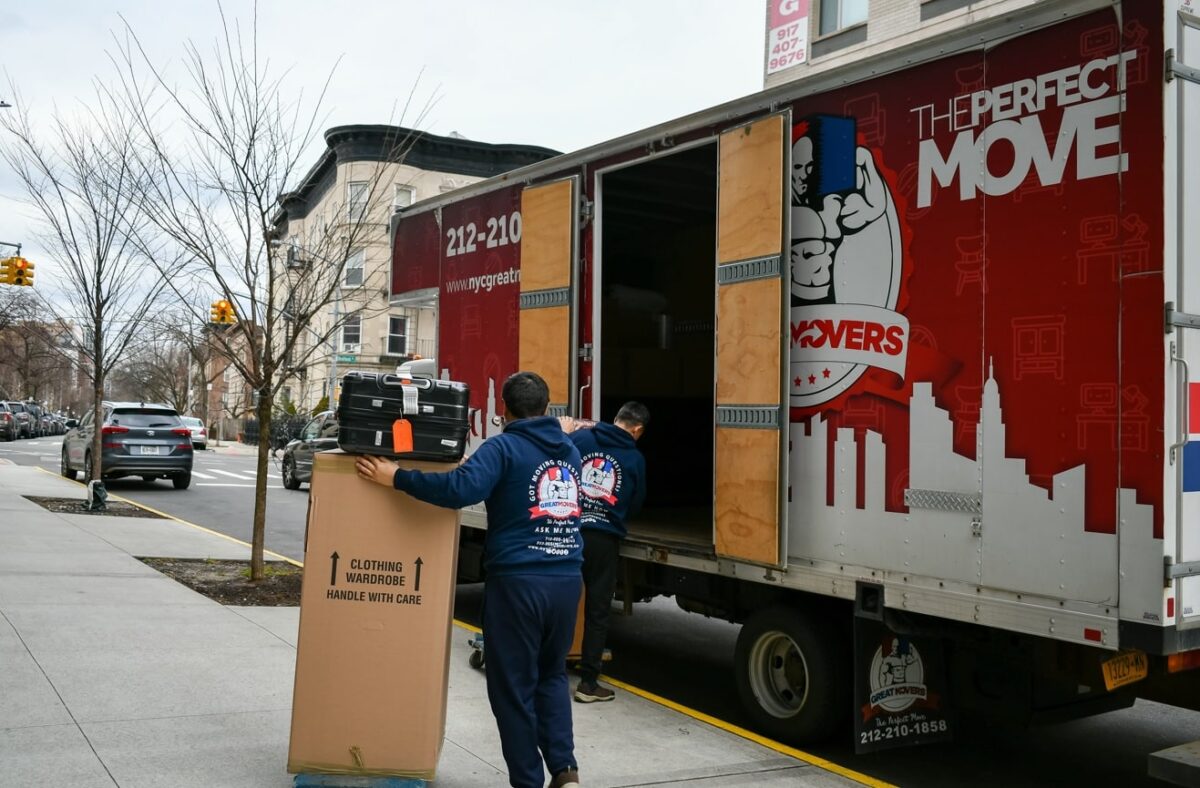
If you can spare the money in your budget, hiring a moving company can make your transition to your new New Jersey home a lot easier. Every move is unique, which is why the most reputable New Jersey movers will walk you through the entire process and come up with personalized moving plans based on your needs and budget. Before you call, figure out what you might need as part of your moving plan. Most movers offer services like packing, storage, and more. If you need a full-service experience where movers do the packing for you, make sure to mention it!


Cost Comparison: DIY vs Professional Movers

Cost Component DIY Move Professional Movers Notes
Truck / Rental $100 – $500 Included DIY requires renting a truck; pros include vehicle
Labor Free (self/friends) $500 – $2,500 Pros handle all loading/unloading
Packing Materials $100 – $300 $150 – $500 Pros often include boxes, tape, and padding
Fuel / Gas $50 – $300 Included DIY requires paying for gas; pros cover this
Insurance / Liability Optional: $50 – $200 Included / Optional Upgrades Pros offer coverage for damaged items
Total Estimated Cost $300 – $1,300 $4,000 – $6,500 Professional movers save time and reduce risk of injury


Always do your research before hiring the company. Look up online reviews on a variety of sites, including Yelp, Google Business, and the Better Business Bureau. Licensed and insured movers also provide their Department of Transportation number, which allows you to search the number to make sure they are up-to-date with their licenses.

Create a Moving File

Filing all documents related to your move is one of the best ways to stay organized and sane. Sure, it’s not fun and is just another thing you have to remember, but you’ll be grateful you have everything in one place. Documents you should store here include:

  • Moving-related documents like your estimate, bill of lading, and inventory 
  • All personal documents related to you, your child(ren), and/or pets. This includes birth certificate, school records, pet-related documents (vet records, etc)
  • All related bills and utilities that you will need to call to either cancel or update your address

While you can access many of these documents online, it’s still a good idea to have a hard copy version just in case something happens, especially for places like your doctor’s office. If they don’t have a digital portal, call to get a copy of your health records emailed to you and print it out. When you find a new doctor, you can hand over your health history on the first day.

Declutter

The less stuff you have, the cheaper your move! Take a look at everything you own and filter out anything that you have used in the past year. Chances are, you won’t miss it! After that, try out the 3-second rule, where you must decide in three seconds if you’ll keep an item in your hand or not, and you can’t change your mind after. 

If you end up with a lot of things to get rid of, consider hosting a garage sale. Not only will it help get rid of our unwanted items, but it’s also a great way to pad your moving budget. Donate whatever leftover items you have that are in good condition. If you still have a few things left after all that, post them on a local buy nothing group.

Pack Early!

Packing is by far the most time-consuming task. Don’t leave the packing to the last minute. If you want to ensure all of your belongings get to your new home in one piece, you’ll want to set aside a few weeks to pack properly. That includes some prep time to ensure you have all the materials you need, including boxes of various sizes, packing tape, padding for fragile items, and packing paper to fill up any gaps in the box.


Packing Supplies Checklist

Item Quantity Notes
Moving Boxes 10 Various sizes for clothes, kitchen, and fragile items
Packing Tape 5 rolls Strong tape for sealing boxes securely
Bubble Wrap 3 rolls Protect fragile items like glassware and electronics
Moving Blanket 1 per large furniture piece Prevent scratches and damage during transport


Split up the packing by section or room and start with the location with the least essential items. That might mean your garage, attic, basement, or guest room. Make sure to label each box appropriately with the room the box should go into, as well as basic details on what is inside the box. If you have any fragile items in the box, make sure to write FRAGILE so the movers know to handle them with care.

Don’t forget to pack an essentials bag while you’re at it. Think of this bag/box as what you would take to a two-night stay at a hotel and include all these items. The last thing you want to do after you have moved into your new home is dig through boxes to find your toothbrush.

Make all Necessary Travel Arrangements

Moving long distances means figuring out how you’ll get from your old place to your new one. And no, you can’t hitch a ride with the movers. Depending on how far you’re moving and whether you are moving with kids or pets will determine your travel strategy. If you’re relatively close to your new location (a couple of hours out), you can simply drive to your new location with no issues. For anything further, you might want to plan out meals, bathroom, and other breaks, especially if you’re moving with young children.

For those who live cross-country, a flight will be the fastest and easiest option. However, if you prefer driving, don’t forget to make hotel reservations and plan an itinerary to see some cool things along the way during your road trip. This might not be the best option if you have kids or pets, but it’s great if you’re single.

Move to New Jersey with NJ Great Movers!

If you’re ready to make your move to the Garden State, NJ Great Movers can provide all the information and help you might need. We provide standard long-distance moving services along with other add-ons like packing, unpacking, storage, and more. Reach out to us, and we’ll walk you through the process.

FAQ

Should I move my furniture with me?

Ultimately the decision is up to you. However, the more stuff you bring, the more expensive your bill. Focus on keeping pieces that are in good shape and will last you for many more years to come.

Can I track my moving truck?

Many professional moving companies have a GPS tracker on their trucks. If you’re curious how far away your truck is, call up the company and they can provide accurate location information.

When will my moving truck arrive?

Depending on how far you are moving, your trucks can take between 1-2 weeks to arrive at your new location. If you opted for the consolidated shipping, your items will arrive during a one-week delivery window. For express shipping, you get to choose drop off day so you know exactly when your items will arrive.


Categories
General

How to Move Out After a Breakup

Breaking up is never easy, but it’s especially hard if you live together. Moving out after a breakup gets complicated as you will need to resolve issues such as dividing up shared belongings, organizing the house/apartment on move out, and deciding custody of children if you have them. Even if you broke up on good terms, figuring out the logistics of the move can lead to some heated arguments if not planned properly. And while you might not be able to completely alleviate the stress and tension, there are a few things you can do to make the move a bit easier on both of you.

Keep Your Emotions in Check During the Move

This is easier said than done. If you and your partner have decided to end your relationship, chances are emotions are running high, even if both parties agree to the breakup. This can make it difficult to discuss the logistics of moving, leading to unnecessary squabbling and ultimately more hurt feelings.


Step-by-Step Guide to Managing Emotions During Your Move

Step Action Expected Outcome / Benefit
1 Take a short break – stay at a hotel or with a friend Creates emotional distance, reduces tension, and prevents immediate conflicts
2 Allow time for emotions to cool Improves rational discussion and decision-making about moving logistics
3 Discuss the move strategy calmly with your ex Agreed-upon timeline reduces arguments and confusion
4 Explore short-term housing options if living alone isn’t feasible Provides temporary relief and a safe place while long-term plans are made
5 Reach out to friends or co-workers for temporary roommates Ensures short-term housing solution, reduces stress, and saves costs


If possible, get a hotel room or stay with a friend for a few days to put some distance between you and your ex. While it might not be feasible to move out immediately, you should do your best to try to wrap things up as soon as possible. After your emotions have cooled a bit, discuss the move strategy with your ex to figure out the next steps, like when you are going to move your things out, etc. If you can’t afford to live by yourself, reach out to your network to see if there are any friends or even co-workers looking for a roommate. It might not be ideal, but you at least want a short-term solution until you can figure out a long-term solution.

Divvy Up Your Belongings 

For many people, this is one of the hardest parts of breaking up with someone you live with. The longer you live together, the more you share everything from bank accounts to furniture. Naturally, you’ll want to keep anything that belongs to you, like your laptop, cellphone, clothes, etc. However, for the shared items, consider creating a list of your top wants and have your ex do the same thing.

If you notice a lot of overlap, take a second look at your list and see if you can whittle it down to a few big-ticket items and certain sentimental items. You can always buy new things, and it might even be better for you in the long run, as you won’t have a constant reminder of your ex.

There are times when you might want to get a mediator or lawyer involved, most notably when dealing with children and pets. With a child, you will need to go through court and hire a lawyer to handle custody hearings. When it comes to pets, you definitely want to have a third-party present to hear both sides and provide a fair judgment.

No one wants to part with the family pet, but there are plenty of extenuating circumstances to consider, such as how closely a pet is bonded to one person or the other, financial security, how much time the person has to take care of the pet, and so on. If you end up keeping a pet that your ex adopted, you can go to the vet to fill out a pet ownership transfer form.

Remember, this step should focus on dividing up your mutual belongings and should not be used as a way to take revenge on your ex. More importantly, make a clear list of all the items that you will be taking with you and leave a copy with your ex. It might even be a good idea to have them sign the document agreeing to the list. That way, should they decide to change their mind, you have a physical document with their signature.

Hire Professional Movers for a Hassle-Free Move

You want to make the move as quick and painless as possible, which means reducing the number of trips you need to make. Hiring movers might not be cheap, but it will help you get everything out quickly and easily. Even if you don’t have a new home yet, you should try to get your stuff out as soon as possible. Many professional moving companies offer short and long-term storage options for decent rates. You can even hire them for packing services if you don’t have the time to pack everything yourself!


Professional Movers vs Friends & Family Help

Factor Professional Movers Friends & Family Help
Hourly Rates $100–$150 per hour (2+ movers) $0–$25 per hour (snacks & drinks optional)
Risk of Damage Low–trained, insured, proper equipment High – untrained, inexperienced handling
Number of Trips 1–2 trips for most households 3–5 trips (depends on vehicle availability & size)
Average Total Cost $800–$2,500 (depending on size & distance) $0–$200 (fuel, food, minor rentals)
Insurance Considerations Included or optional full-coverage moving insurance No insurance – personal liability if items are damaged


Before you call the movers, make sure to create an inventory of everything you’re taking with you and label all the boxes. Have your ex double-check your list to make sure you aren’t taking anything that you didn’t agree on beforehand. Once everything is settled, schedule movers as soon as possible. Ideally, you would want to move on a day when your ex is not around. If that’s not possible, then having a moving crew there can serve as a nice buffer if your ex tries to give you any trouble.

Enjoy the Moving Process and Stay Positive

Breakups and moves are hard. There’s no more appropriate time to lean on your support network than when you have to do both at the same time. Don’t be afraid to let the waterworks go in front of your loved ones and let them pamper you. You might not feel like it, but a little TLC can go a long way to healing. Suggest a spa appointment or even a short vacation out of town if you can manage it. If your budget is stretched thin, then consider a night in with your friends. You might feel broken and fragile, but it’s usually better to go out and enjoy yourself instead of being depressed by yourself.

If you don’t have any friends or family available, then find ways to make yourself feel better. Don’t neglect your health. Make sure you eat well, exercise, and get some fresh air. Now is also a great time to try out some new activities and maybe even make some new friends. Don’t jump into dating right away, but it’s never a bad idea to make new connections with other people.

Move Into Your New Place

Once you’ve found the perfect place, it’s time to move in, and that means decorating! While it might feel weird at first being on your own (or with a roommate), it’s the perfect opportunity to create a space that lifts your spirits. Avoid putting up any keepsakes from your previous relationship just yet. You might want to hide those under your bed or in storage for a few months. Instead, use this opportunity to experiment with new styles and colors. Splurge a little with some fancy sheets or a nice floor lamp. A new place means endless possibilities, so don’t constrict yourself! Focus on adding things that make you happy.

Once you’ve moved in, don’t forget to reward yourself. Small things, such as buying your favorite coffee or getting a massage after unpacking, can positively impact your mental health. More importantly, it will create positive associations with your move, making it a little easier to get over your ex.

While this might be one of the most difficult times in your life, it doesn’t have to be more difficult than it already is. Following these steps can make the breakup a bit easier on you and your ex.

If you’re ready to move out, make sure to hire knowledgeable and professional movers who can handle your belongings with care. As tempting as it might be to go with the first company you find, make sure to do your research and get multiple quotes so you can find the movers that match your budget and needs.

FAQ

What if I need to move out without my ex knowing?

Moving out secretly requires a good amount of planning, as you will need to match up your ex’s schedule as well as your and the movers' availability. Your best bet is to move when your ex is at work. That might mean taking time off your own work, but if they tend to be homebody otherwise, it might be your only option. When you pack, take only what you absolutely need and leave everything else.

You want to be able to pack the same day as your move to reduce suspicion. That might mean scheduling the movers mid-day and using the morning to pack. After that, make sure to lock up the apartment and find a safe place to leave the key. Do NOT leave a forwarding address!

Where can I find short term rentals?

It depends on how much time you need to find a permanent place. Airbnb might be a good option for stays of less than a month. If you need more time, you might want to find apartments in your area that offer month-to-month leases.

What happens if the movers damage something my ex owns?

Your ex should call the movers directly and request payment for their damages.

Categories
General

5 Exciting and Fun Things to Do Before Moving

Even when you’re moving into your dream house, the actual moving process can be grueling and emotional. The months before a move are busy, even when you hire professional movers and are super organized. While moving can be stressful, that doesn’t mean you can’t have a little fun to make the process a bit easier. If you need a break, the following activities can help refresh your batteries so you can get back to moving with gusto.

Throw a Party Before Moving to a New City

Whether you’re moving to a new city or a new state, organizing a going-away party can be a nice distraction from all the packing and planning. Sure, it’s not particularly fun to say goodbye to good friends and neighbors, but a party is a great opportunity to see everyone in one place and spend time with the people who matter.

You don’t need additional stress during your move, so plan to make this party very informal. Reach out to your closest friends and neighbors and have a laid-back get-together on a Saturday or Sunday afternoon. Make sure you have some drinks and snacks, but you can also ask guests to bring something as well. At the end of the party, make sure you exchange your new contact information. Heck, you can even mix business with pleasure and have the moving-away part after your friends have helped you pack for the day. If you’re hiring movers, you can encourage your guests to take some items that you don’t plan on bringing with you.

Visit Your New and Old Places

Unless you really hated your area, chances are there are a few spots in town that you love. Maybe it’s a cozy diner, a small museum, or a quiet green area in a park. Wherever it is, take some time out of your hectic moving plans to enjoy your neighborhood for the last time. Don’t rush yourself either! Take your time and truly relish the experience. That might mean clearing up a day or two in your busy moving schedule, but it will be worth it!


Old Home Photo Memory Guide

Room # of Photos Recommended Lighting Needed (1–5) Emotional Importance Score (1–10) Optional Video Notes
Living Room 8–12 4 10 Record a slow walk-through capturing furniture placement and décor.
Kitchen 6–10 3 9 Take a video of cabinets and pantry—it captures daily memories.
Primary Bedroom 5–8 3 8 Include the view from the bed and any personal décor.
Kids’ Bedroom 6–10 4 10 Capture shelves, toys, growth charts, and art on walls.
Bathroom 3–5 2 6 A quick video of the cabinets and mirror area is enough.
Hallway 4–6 2 7 Record wall art, family photos, and organizers.
Backyard / Balcony 5–9 5 9 Wide-angle video works best—capture greenery or city view.


If your schedules align, take one or two friends on a greatest hits ‘tour’ and visit your favorite places. You could even take a walk down memory lane and revisit some of your old haunts. If that’s not your style, why not be a tourist in your town for the day? If you live somewhere like NYC, chances are you probably avoid tourist locations like the plague. Now is the time to take in all the attractions and enjoy them! It’s a great way to recharge your battery for the tough relocation ahead.

Capture Beautiful Memories Before You Leave

Leaving your old home can be an emotional experience, especially if you have a lot of good memories in it. It’s hard on everyone, but doubly so for children, as they have come to associate the house with comfort, love, and warmth. Fortunately, your upcoming move doesn’t have to be a somber affair as long as you believe your new home will be even better.

Of course, that doesn’t mean you have to forget all about your old house. If anything, to make the transition easier, you should capture some memories before you leave. Maybe that means making a farewell video where each member of the family tells their favorite story or memory linked to a particular room. Avoid scripted takes as you want authenticity!

If you’re not into video, take some time to take some pictures as you move out. Later on, you can arrange these pictures, along with others you have taken during your stay at your old house, into a photo album. If you have kids, let them contribute to the album as well, so everyone will have fond memories to look back on.

Speaking of memories, if you can bring a memento from your old place to your new one. This might be a bit harder if you live in a rental, as you could be charged for not leaving the apartment in good condition. Choose something that is meaningful and either add it to the photo album/scrapbook or add it to your new home. This way, every time you look at the memento, you’ll be reminded of good memories.

Reward Yourself  in a Way You Choose

If you hire trustworthy movers, hopefully your residential move will be perfect from start to finish. Many people will wait until after the move to treat themselves, but there’s no rule saying you can’t take a much-needed pre-move break. In fact, it’s a great way to keep your motivation high, especially during the height of moving.

It might be tempting to try and push through all the tedious packing and organizing, but take some time to relax. Maybe that means catching a movie with some friends, going out for a romantic dinner with your significant other, or attending a concert. If you’re moving alone, it could be as simple as taking a luxurious bath or relaxing in bed watching your favorite show. Whatever it is, you want to choose an activity that will recharge your batteries. The point is to do something you love and enjoy. You’ll be less stressed the next day, and you might even be able to get everything done faster by taking a break.

Create a Proven Floor Plan to Avoid Mistakes

When moving into a new place, you have the opportunity to truly transform it into the home of your dreams. Sure, there might be some limitations, especially if you decide to move into an apartment. However, there are still plenty of ways you can unleash your creativity and create a cozy dwelling that reflects your personality while also guaranteeing maximum comfort. And you can start planning all of this out before you even move! In fact, you should create a floor plan before you move, that way you can avoid costly mistakes such as:

  • Incorrect furniture size – there’s no point in spending money moving heavy furniture if it won’t fit in your new home. A detailed floor plan will tell you which pieces you can keep and which ones you can donate or throw away.
  • Poor furniture placement – you’ll have to know the exact dimensions of your house and furniture for this, but it’s well worth the effort, as you can figure out where to place each item to maximize open areas and traffic flow
  • Rearranging furniture after move-in – why spend time rearranging furniture after you move in when you can simply have the movers place items exactly where you want them? With a floor plan, you can tell the movers exactly where you want each item to go. Not only does this save you time, but it also reduces the chances of you or loved ones getting injured because you’re trying to move heavy items.

In order for the floor plan to work as intended, you need exact measurements of everything. Make sure to include quirky wall layouts such as round sections or slanted walls. Also, make sure to note the location of all windows, doors, and doorways, as you don’t want to block any of these areas with furniture. While you’re at it, you should also look for the location of electric outlets, ceiling lights, and heating vents on your floor plan. When you have all the information, draw the rooms to scale. It usually works best when you use graph paper and represent one foot with two squares on the graph paper.


Moving Mistake Prevention Table

Pre-Move Action Mistake Prevented Cost Risk ($) Difficulty Level (1–5) Time Required (min) Prevention Score (1–10)
Create a detailed floor plan Moving furniture that doesn’t fit $200–$800 3 60–120 9
Measure doorways, hallways & furniture Blocked entry, damage during move $150–$500 2 30–45 8
Declutter & donate unused items Overpacking & higher moving costs $100–$1,000 2 45–90 9
Label boxes by room & fragility Lost items, damage during transport $50–$300 1 20–40 7
Create an essentials box for move-in day Buying duplicate items last minute $30–$150 1 15–25 8
Confirm mover details (date, time, insurance) Schedule mix-ups & uninsured damages $300–$2,500 1 10–20 10
Take photos of valuable items Insurance claim issues $100–$2,000+ 1 10–15 8
Set up utilities before move-in No electricity, WiFi, or water on day one $50–$200 2 15–30 9


Once that’s done, measure all of your furniture and decide which ones you want to move into your new home, and see whether they will fit. Draw the outlines of your furniture onto another piece of graph paper using the same scaling method as you did for the actual house/apartment. From there, cut the furniture shapes from the paper and start arranging them on your floor plan. Pay special attention to the flow of traffic and how you can break up a large room into different ‘sections.’ Sure, you can always rearrange furniture later on, but a good floor plan can save you time and reduce unnecessary stress. Plus, you can keep the plan for future use if you ever replace your old furniture.

Hire the Best Professional NJ Movers

The moving process can be grueling and stressful, but these tips can hopefully help make it a little more bearable. Another great way to reduce stress is to hire professional movers who can help load and unload your belongings and even arrange your furniture based on your specifications. Working with the pros means you don’t have to worry about broken items or injuries. And that’s a great way to start a new chapter in your life!